Water damage can happen unexpectedly due to burst pipes, flooding, roof leaks, or appliance malfunctions. Once water enters your home or business, one of the first questions property owners ask is: how long does it take for water damage to dry? The answer depends on several factors, including the amount of water involved, the affected materials, humidity levels, and the effectiveness of the drying process. Professional Water Damage Restoration services are essential because delayed drying can lead to mold growth, structural weakening, and expensive repairs.
In many cases, surfaces may appear dry within a few days, but hidden moisture can remain trapped behind walls, under flooring, or inside insulation. Understanding the drying timeline helps property owners make informed decisions and prevent long-term damage. In this article, we’ll explore the factors that affect drying times, the restoration process, and why professional assistance is crucial.
What Affects the Drying Time of Water Damage?
Several factors influence how long water damage takes to dry completely. The size of the affected area is one of the biggest considerations. A small bathroom leak may dry in a day or two, while extensive flooding can take weeks to fully restore. The amount of standing water and how deeply it has penetrated surfaces also impacts the timeline.
The type of materials affected plays a major role as well. Hardwood floors, drywall, carpets, insulation, and concrete all absorb water differently. Porous materials tend to retain moisture longer, making them more difficult to dry thoroughly. Temperature and humidity levels inside the property also affect evaporation speed. Warm, dry air helps moisture evaporate faster, while humid environments slow the process significantly.
Professional drying equipment can greatly reduce drying time. Industrial air movers, dehumidifiers, and moisture detection tools are designed to remove water efficiently. Without proper equipment, hidden moisture may remain unnoticed, increasing the risk of mold and structural damage.
Typical Drying Time for Minor Water Damage
Minor water damage usually occurs from small leaks, overflowing sinks, or localized plumbing issues. In these cases, drying may take anywhere from 24 to 72 hours if addressed quickly. The faster the water is removed, the easier it is to prevent materials from becoming saturated.
Hard, non-porous surfaces such as tile or sealed countertops tend to dry quickly. Carpets and drywall may require additional drying time because they absorb moisture more deeply. Even if the surface appears dry, moisture can remain trapped underneath or behind materials.
Ventilation is extremely important during this stage. Opening windows, using fans, and reducing indoor humidity can speed up the drying process.
How Long Does Major Flood Damage Take to Dry?
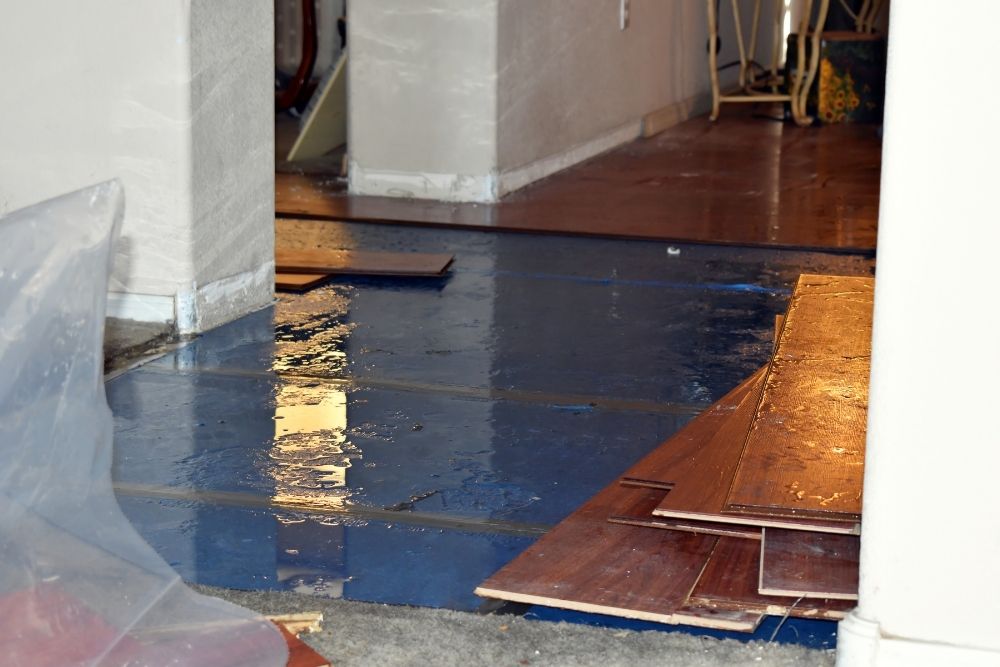
Major flooding caused by storms, burst pipes, or sewage backups often requires a much longer drying period. Depending on the severity of the damage, the drying process can take anywhere from one to several weeks. Extensive flooding saturates walls, flooring, insulation, furniture, and even structural components of the building.
Standing water must first be extracted before drying can begin. Large amounts of trapped moisture require commercial-grade equipment to ensure complete removal. High-powered dehumidifiers and air movers are strategically placed throughout the property to accelerate evaporation and airflow.
Floodwater contamination can further complicate the restoration process. Water classified as gray or black water may contain harmful bacteria, chemicals, or sewage. In these situations, affected materials may need to be removed entirely rather than dried. Carpets, drywall, and insulation often require replacement if contamination is severe.
The Role of Humidity in Water Damage Drying
Humidity significantly impacts how quickly water damage dries. When indoor air contains high moisture levels, evaporation slows down because the air cannot absorb additional moisture effectively. This is why water damage tends to dry faster in warm, dry climates compared to humid environments.
Dehumidifiers play a critical role in controlling moisture levels during the restoration process. These machines pull excess moisture from the air, allowing wet surfaces to dry more efficiently. Without proper humidity control, moisture can linger in walls, ceilings, and flooring for extended periods.
Poor ventilation also contributes to slow drying times. Enclosed spaces such as basements, crawl spaces, and attics are particularly vulnerable because airflow is limited. Moisture trapped in these areas creates ideal conditions for mold growth and wood rot.
Why Professional Drying Equipment Matters
Many property owners assume that fans and open windows are enough to dry water damage. While these methods may help with minor spills, they are rarely effective for significant water intrusion. Professional drying equipment is specifically designed to remove moisture quickly and thoroughly.
Industrial air movers increase airflow across wet surfaces, speeding up evaporation. Dehumidifiers remove excess moisture from the air, preventing condensation and secondary damage. Moisture meters and infrared cameras help technicians locate hidden water pockets behind walls and under flooring.
Using professional equipment can dramatically reduce drying time and minimize property damage. Faster drying also lowers the risk of mold growth, which can develop rapidly in damp conditions. Incomplete drying may leave hidden moisture that eventually leads to structural deterioration and unpleasant odors.
Can Mold Grow Before Water Damage Dries?
One of the biggest concerns during water damage situations is mold growth. Mold can begin developing within 24 to 48 hours if moisture is not properly addressed. Even small amounts of trapped water can create an ideal breeding ground for spores.
Areas with poor ventilation are especially vulnerable. Basements, crawl spaces, and wall cavities often retain moisture longer than visible surfaces. Mold growth may remain hidden until noticeable signs appear, such as musty odors, discoloration, or respiratory symptoms.
Proper drying is essential for mold prevention. Removing visible water is not enough because moisture can remain trapped beneath flooring, behind drywall, and inside insulation.
Signs That Water Damage Is Not Fully Dry
Just because a surface feels dry does not mean all moisture has been removed. Hidden water can remain trapped inside building materials for days or even weeks. Identifying the signs of incomplete drying is crucial for preventing further damage.
One common indicator is a persistent musty odor. This smell often suggests moisture is still present behind walls or under flooring. Warped wood, bubbling paint, peeling wallpaper, and soft drywall are also warning signs that materials remain damp.
Increased indoor humidity or condensation on windows may indicate lingering moisture as well. Some property owners notice recurring mold spots or unexplained allergy symptoms caused by hidden mold growth. Ignoring these signs can lead to structural deterioration and expensive repairs over time.
The Water Damage Restoration Process Explained
The drying process is only one part of a complete restoration plan. Professional restoration begins with a detailed inspection to assess the extent of the damage. Technicians identify affected materials, measure moisture levels, and develop a customized drying strategy.
The next step involves water extraction using specialized pumps and vacuums. Removing standing water quickly helps minimize further absorption into walls, flooring, and furniture. Once extraction is complete, industrial air movers and dehumidifiers are installed to begin the drying phase.
During the drying process, technicians monitor moisture levels daily to ensure progress. Adjustments are made as needed to maximize efficiency. In some cases, damaged materials such as drywall, insulation, or carpeting may need to be removed if they cannot be salvaged.
After drying is complete, restoration work begins. This may include repairs, repainting, flooring replacement, and mold remediation if necessary. A professional Water Damage Restoration company ensures every step is completed properly, restoring the property to a safe and comfortable condition.
How to Speed Up the Drying Process
Acting quickly is the most effective way to speed up water damage drying. The longer water remains, the more deeply it penetrates building materials. Immediate water removal can significantly reduce drying time and limit damage.
Increasing airflow throughout the property helps moisture evaporate faster. Fans, open windows, and air conditioning can improve circulation, although professional equipment is often more effective. Lowering indoor humidity with dehumidifiers is equally important for accelerating drying.
Removing wet furniture, rugs, and belongings from the affected area also improves airflow. Saturated materials should be separated and dried individually whenever possible. Avoid walking on wet carpets excessively, as this can push moisture deeper into padding and subflooring.
Conclusion
The time required for water damage to dry depends on the severity of the damage, affected materials, humidity levels, and the drying methods used. Minor incidents may dry within a few days, while major flooding can take several weeks to restore fully. Hidden moisture is a serious concern because it can lead to mold growth, structural issues, and ongoing property damage if not addressed properly.
Professional restoration services ensure thorough drying using advanced equipment and proven techniques. If you need reliable assistance, JGW Group Water Damage Restoration is ready to help property owners in Las Vegas with fast and effective solutions. Our experienced team provides dependable restoration services to protect your property and restore peace of mind. Call JGW Group Water Damage Restoration today at 725-525-3122 for expert support and immediate assistance.