
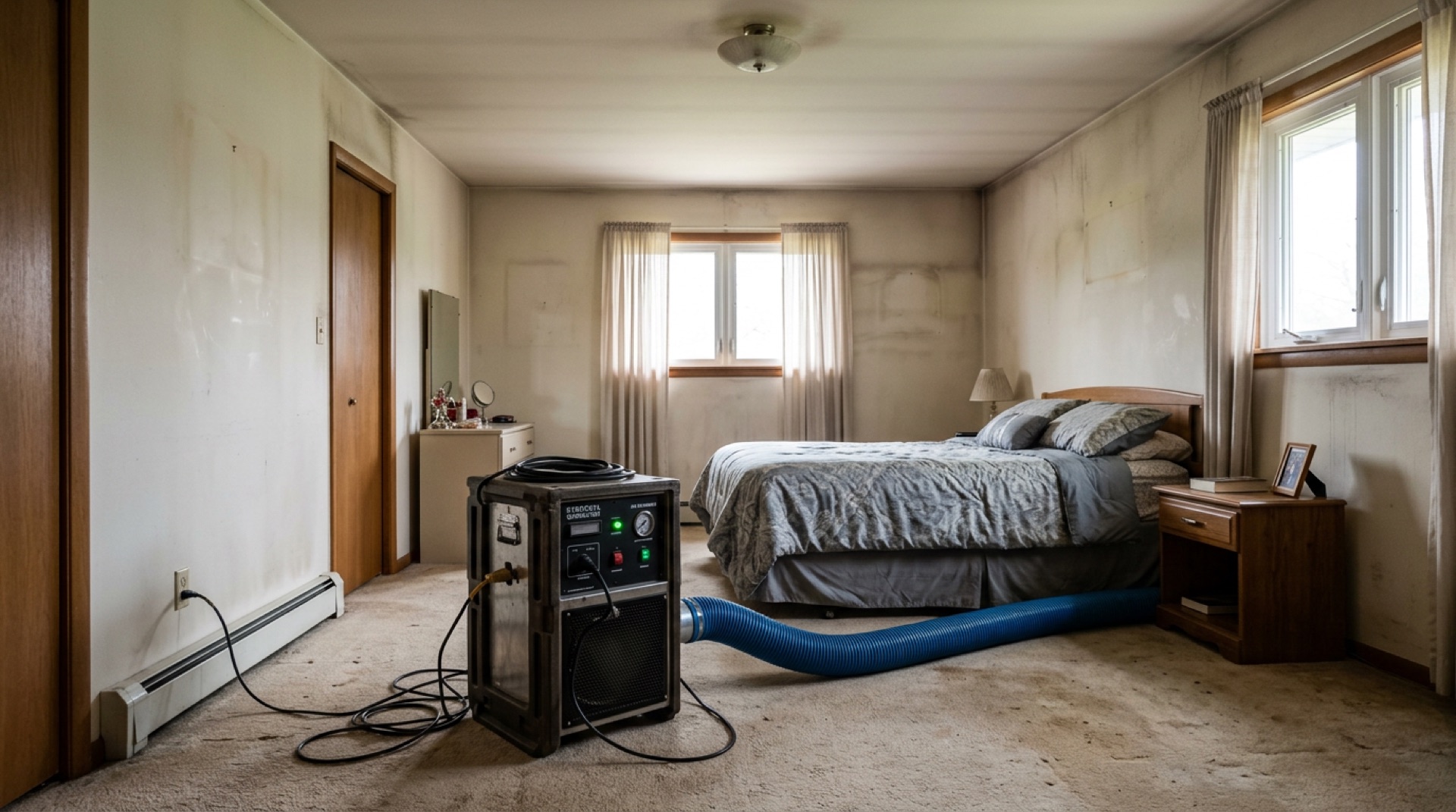
- Odor lives in porous materials. Drywall, insulation, carpet pad, wood and fabric absorb smoke and release it slowly.
- Heat brings it back. A Las Vegas summer afternoon can make a smell you thought was gone return.
- Clean first, deodorize second. Odor treatment works best after soot residue is removed.
- Ducts matter. Smoke pulled through the AC system can keep pushing odor into every room.
- Free estimate, answered 24/7, for homes and businesses.
Why does smoke smell linger after a fire?
Smoke odor lingers because tiny particles and gases soak into porous materials and keep releasing over time. Painting over it or spraying fragrance hides it for a few days, then it comes back.
The worst odor usually comes from what burned. Plastics, foam and burned food create heavy, sour smells that cling much harder than wood smoke. Heat makes it worse, which is why many Las Vegas homeowners notice the smell most in the late afternoon, when attics and walls are warmest.
| Where odor hides | Why it holds smell | Typical fix |
|---|---|---|
| Drywall and paint | Porous gypsum and paper absorb smoke | Clean, then seal with an odor-blocking primer; replace if heavily stained |
| Attic insulation | Loose fibers trap particles | Usually removed and replaced |
| Carpet and pad | Pad acts like a sponge for smoke and water | Pad replaced; carpet cleaned or replaced |
| Cabinets and wood trim | Raw wood on backs and edges absorbs odor | Cleaned, deodorized and sometimes sealed |
| AC ducts and air handler | Smoke pulled in while the system ran | Ducts and coils cleaned, filters replaced |
| Clothing, bedding, drapes | Fabrics hold odor deeply | Specialty cleaning or laundering |
What should you do before we arrive?
Air the house out if it is safe and the weather allows, but skip the quick fixes that make odor harder to remove later. A few simple steps help.
- Keep the AC off until the system and ducts are checked.
- Do not paint over smoke-stained walls. Odor comes through untreated paint.
- Skip scented sprays and candles. They mix with smoke odor rather than remove it.
- Bag clothing and bedding that smell of smoke and set them aside for cleaning.
- Photograph damaged belongings before washing or tossing anything, for your insurance claim.
How does professional fire odor removal work?
Odor removal is a process of removing the source, then treating what remains. It usually follows soot removal, because deodorizing a surface that still has residue on it does not last.
- Find the sources. We trace where the odor is strongest, including attics, wall cavities, cabinets and ducts.
- Remove residue. Soot is cleaned off surfaces first through smoke damage cleanup.
- Remove what cannot be saved. Burned or heavily saturated insulation, pad and drywall come out.
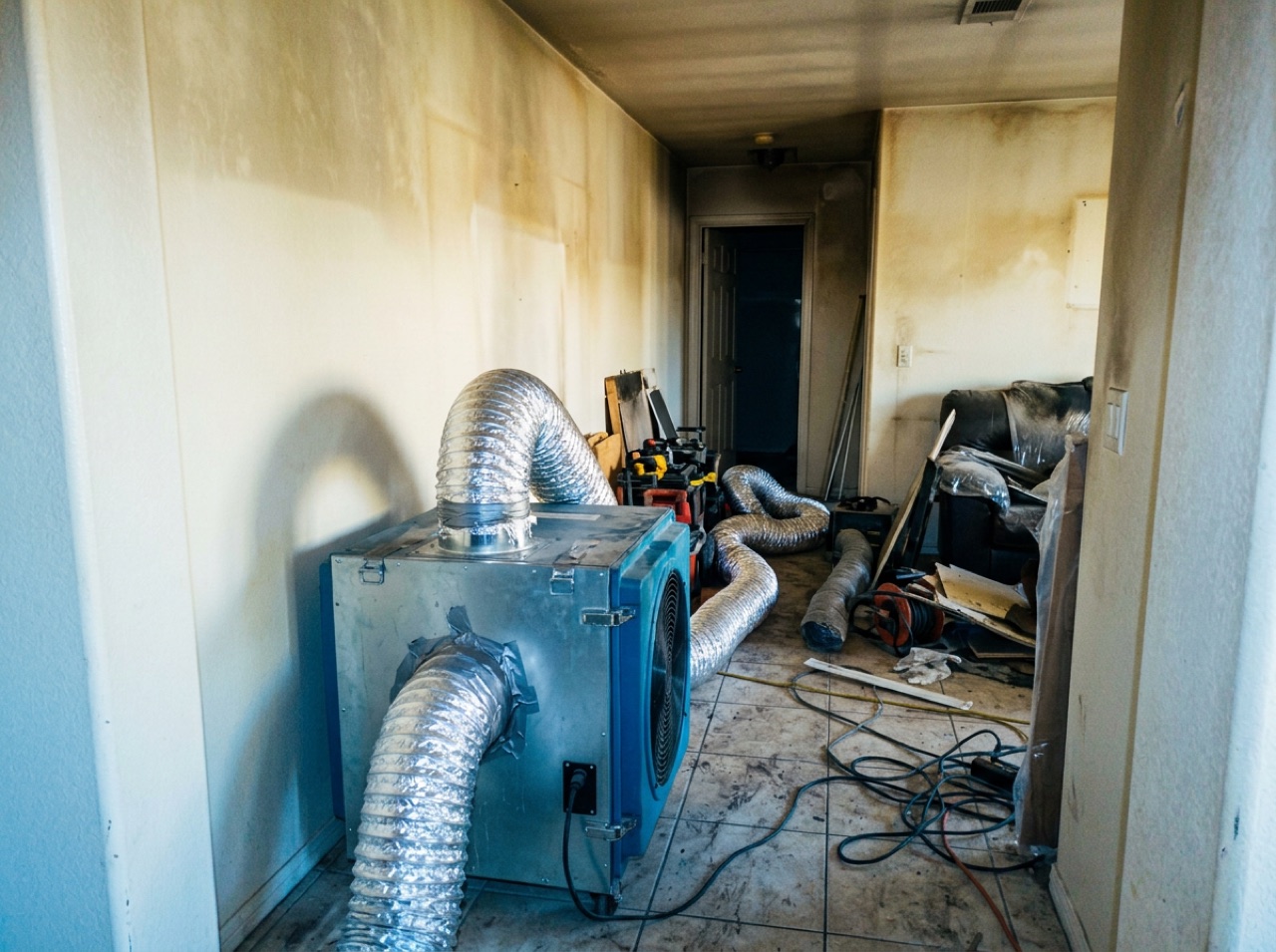
- Deodorize. Restoration crews use methods such as thermal fogging, hydroxyl generators and, only in an empty home with people and pets out, ozone treatment.
- Seal. Cleaned framing and drywall can be sealed with an odor-blocking primer before repainting.
- Clean the air system. Ducts, coils and filters are addressed so the AC does not keep spreading smell.
Water or smoke damage right now? A crew answers 24/7.
Call 725-525-3122Which fires cause the strongest odors in Las Vegas?
Kitchen fires top the list. Burned food leaves protein residue and a sour smell that can spread through a whole house even when the flames stayed on the stovetop.
Garage and electrical fires burn plastics, wiring insulation and stored chemicals, which leave sharp, heavy odors. Desert heat in an attached garage can keep that smell moving into the house for weeks.
Homes that sit closed up through summer are another pattern. If a small fire or a burned-out appliance happens while the owner is away, the odor has weeks of heat to bake into surfaces before anyone opens the door.
Why choose JGW Group for odor removal?
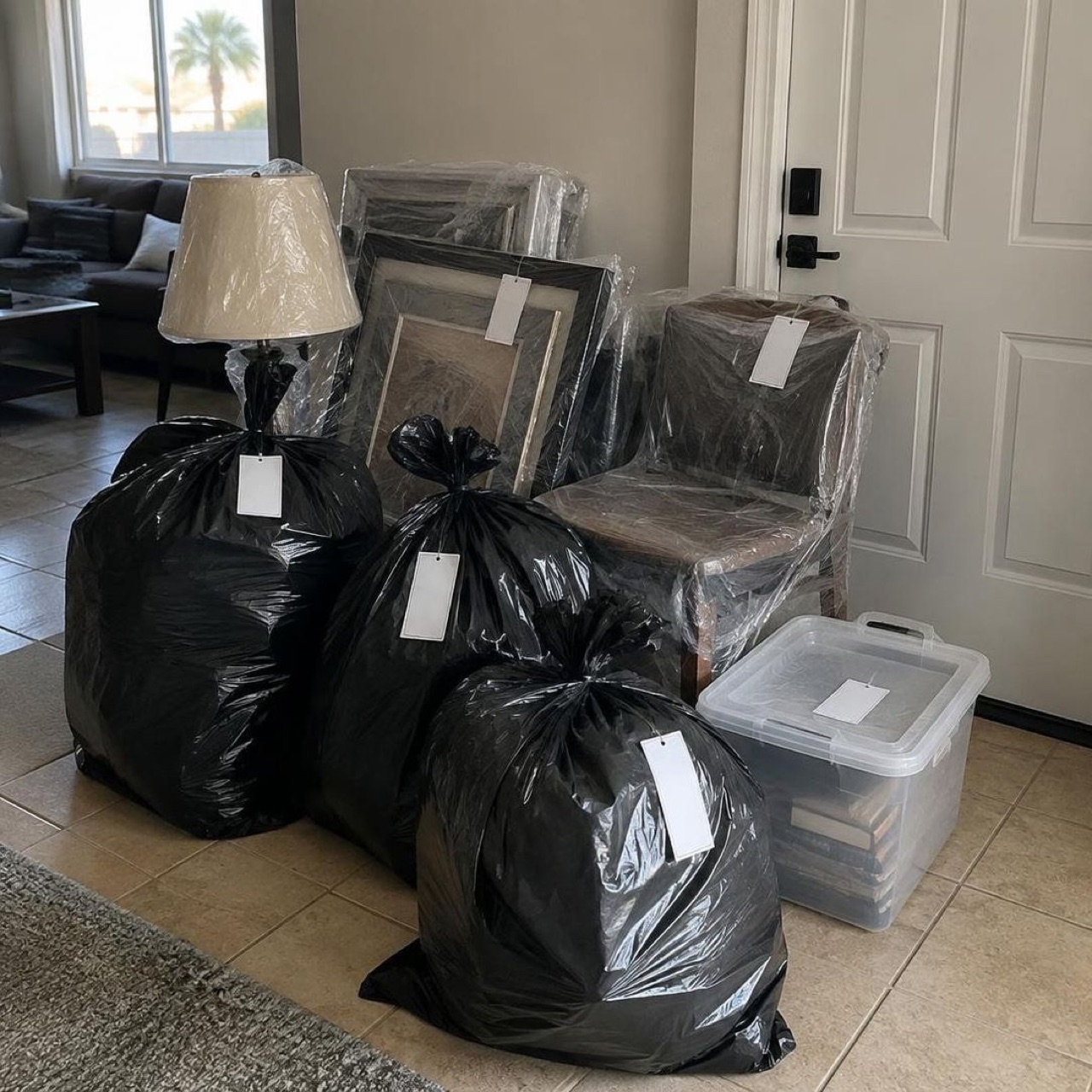
Odor removal goes better when the same team handles the cleanup, the material removal and the rebuild. JGW Group handles mitigation through full reconstruction and cleans and cares for furniture and personal belongings.
Odor work is part of full fire damage restoration, and we document each step for your insurance claim. If you are just starting, read our guide on what to do after a house fire. The U.S. Fire Administration also offers a free booklet for families, After the Fire: Returning to Normal.
Areas we serve
JGW Group's office is at 6823 W Post Rd #137 in Southwest Las Vegas. We handle fire odor removal for homes and businesses in Las Vegas, Henderson, North Las Vegas, Summerlin, Spring Valley, Enterprise, Paradise and Boulder City.
“They also took great care of our furniture and personal belongings. The team guided us through the insurance claim process.”
Carol Denson, Google reviewFrequently asked questions
How long does it take to get rid of smoke smell?
It depends on what burned, how long the smoke sat and how much of the house it reached. A small kitchen fire with prompt cleanup may take a few days of cleaning and deodorizing. A larger fire that requires insulation or drywall removal takes longer, because odor treatment happens alongside demolition and rebuild. We give you a realistic plan during the free estimate.
Can I just paint over smoke-stained walls?
Regular paint will not stop smoke odor, and stains often bleed back through. Walls need to be cleaned first, then sealed with an odor-blocking primer made for smoke, then painted. If the drywall is heavily stained or absorbed a lot of heat, replacing it may be the better choice. Painting first makes the problem harder to fix later.
Is ozone treatment safe?
Ozone can help break down odor, but it is a lung irritant, so it should only be used in an empty home with people, pets and plants out, and the space aired out afterward. It also does not replace cleaning; it works on odor that remains after the source is removed. Other options, like hydroxyl generators, can be used in some situations where ozone cannot.
Why does the smoke smell come back on hot days?
Heat makes trapped odor molecules release faster from drywall, insulation, wood and fabrics. In a Las Vegas summer, attics and walls get very hot, so a smell that seemed gone in the morning can be strong by late afternoon. That usually means odor is still in a porous material that needs to be cleaned, sealed or replaced.
Can smoke smell be removed from clothes and furniture?
Often, yes. Many fabrics, upholstered pieces and personal items respond well to specialty cleaning, especially when treated soon after the fire. Items with heat damage or heavy soot may not be worth restoring. JGW Group cleans and cares for furniture and belongings, and we help you separate what can be saved from what should go on the insurance inventory.
Ozone treatment should only be done in an empty home, with people, pets and plants out until the space is aired out.