
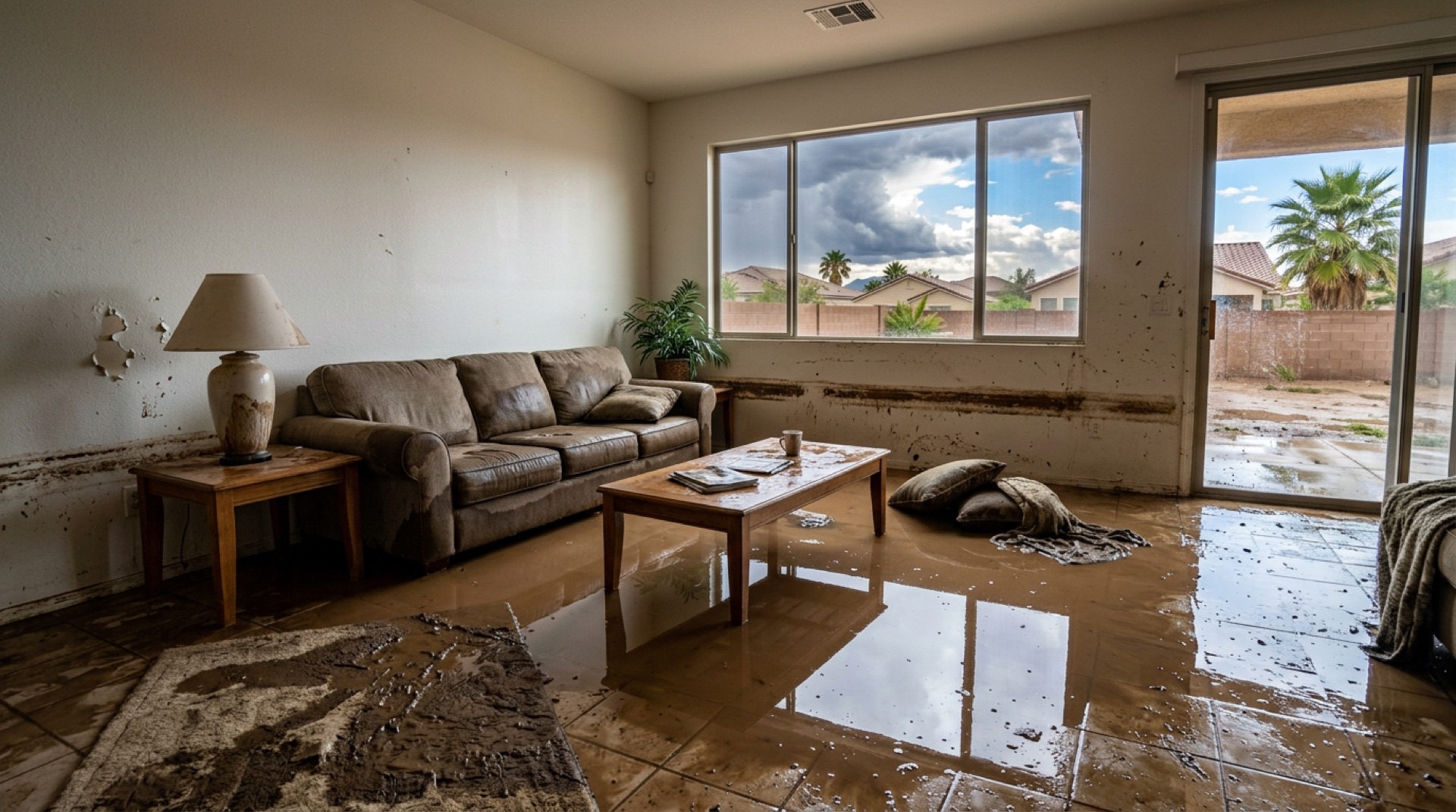
- Floodwater is treated as Category 3. The IICRC S500 standard classifies water from outside flooding as grossly contaminated, so it is cleaned differently from a clean supply-line leak.
- Monsoon season drives most local floods. The National Weather Service puts the Southwest monsoon at roughly June 15 to September 30, when short, heavy storms can overwhelm streets and washes.
- Slab homes hold water at floor level. Most Las Vegas homes sit on a concrete slab, so water spreads across the floor and wicks up drywall and baseboards instead of draining to a crawlspace.
- We answer 24 hours a day, 7 days a week. Flash floods often hit in the evening, and our phone is staffed nights, weekends and holidays.
- Estimates are free. We look at the damage, take moisture readings and explain what needs to happen before any work starts.
What counts as flood damage in a Las Vegas home?
Flood damage is water that enters from outside the house: storm runoff, an overflowing wash, water pouring off a hillside lot or rising in a low street. It is different from a burst pipe because the water carries dirt, oil, lawn chemicals and sewage from the streets and storm drains.
Under the IICRC S500 water damage standard, that outside water is Category 3. In practice it means wet carpet pad, drywall and insulation that floodwater touched usually come out, and every hard surface it reached gets cleaned and disinfected before drying.
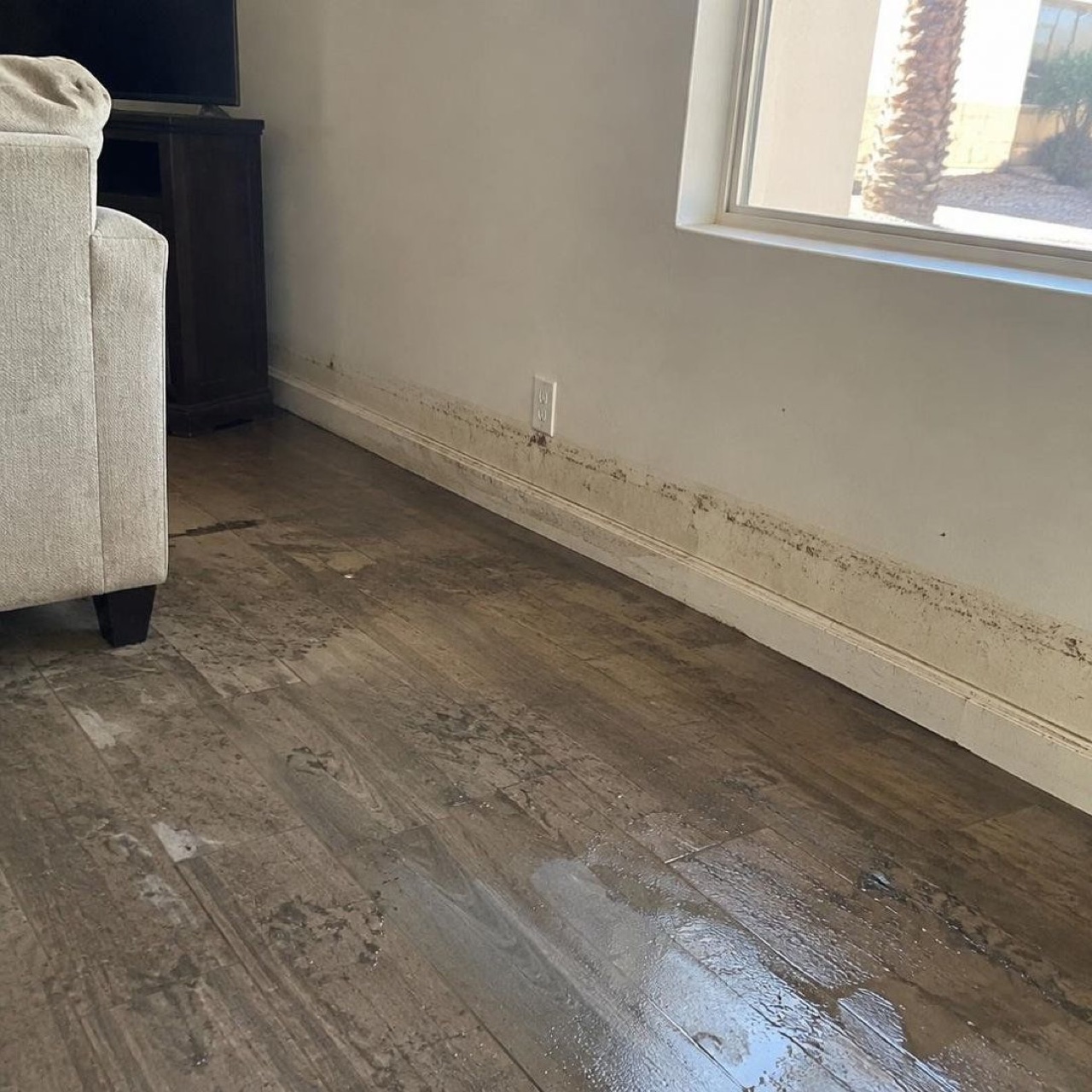
- Muddy water or a silt line on walls, cabinets or baseboards
- Water that came in under exterior doors, through the garage or from a flooded backyard
- Swollen baseboards and door casings near the floor
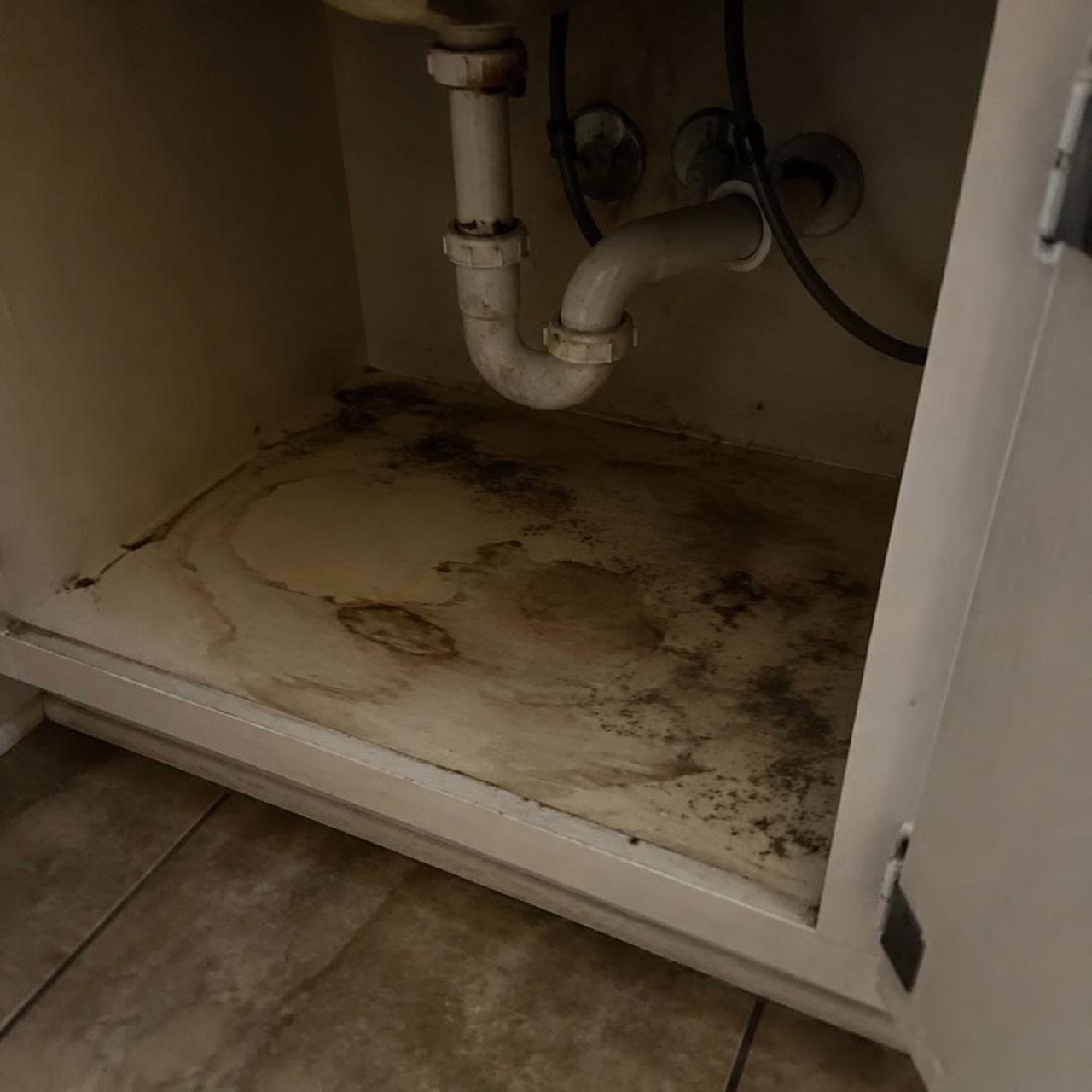
- A sour or sewage smell that does not fade after the water recedes
- Wet carpet pad even after the carpet surface feels dry
What should you do before we arrive?
Stay safe first, then limit the spread. Floodwater can hide live current, sharp debris and contamination, so the National Weather Service flood safety guidance is worth reading before you walk through standing water.
If the water is still rising or reaching outlets, shut off power at the breaker only if you can reach the panel from a dry spot. Otherwise stay out and call us.
- Keep kids and pets out of rooms the water reached
- Take photos and video of every wet room before anything is moved
- Move dry valuables, documents and electronics to a higher, dry area
- Do not use a household vacuum on floodwater
- Wash your hands well after touching anything floodwater reached
- Call your insurer to report the loss when you are ready
What happens when you call JGW Group?
We answer, ask a few questions about where the water came from and how far it spread, and set a time to come out. On site, the order of work follows the job, not a script.
Large amounts of standing water come out first with our emergency water extraction equipment. If the water came from a sewer line backing up during the storm rather than surface runoff, the job follows our sewage cleanup process, since that water carries more contamination.
| Step | What we do | Why it matters |
|---|---|---|
| Inspect | Map wet areas with moisture readings and photos | Shows how far water wicked into walls and floors |
| Extract | Pump and vacuum out standing water | Less water left means faster drying |
| Remove | Cut out soaked pad, drywall and insulation that cannot be saved | Category 3 water contaminates porous materials |
| Clean | Clean and disinfect slab, framing and hard surfaces | Removes silt and bacteria before drying |
| Dry | Run air movers and dehumidifiers and monitor moisture | Confirms the structure is actually dry |
| Rebuild | Replace drywall, flooring and trim | One team from cleanup to finished room |
Water or smoke damage right now? A crew answers 24/7.
Call 725-525-3122What causes most flood calls in Las Vegas?
Most floods here come from short, intense monsoon storms rather than days of rain. Desert soil and pavement shed water fast, so a storm can send runoff through neighborhoods within the hour.
The Clark County Regional Flood Control District builds and maintains the detention basins and channels that carry that runoff to the Las Vegas Wash, but homes near washes, at the bottom of a slope or on streets that pond can still take water. Our monsoon flood prep checklist covers simple steps before the season starts.
- Monsoon downpours that overwhelm street drains and gutters
- Runoff from washes such as Flamingo Wash and Duck Creek near homes
- Backyards graded toward the house or blocked side-yard drains
- Water entering through garage doors and low patio sliders
- Storm drains that back up into low-lying lots
Why do homeowners call JGW Group for flood cleanup?
We handle the whole job, from extraction through reconstruction, so you are not hiring a second company to put the walls back. We also clean and care for the furniture and belongings the water reached.
We document the damage and the drying with photos and moisture readings, which helps when you file a claim. Your insurer decides what the policy covers, and many standard homeowners policies exclude outside flooding, so check whether you carry separate flood coverage through FEMA's National Flood Insurance Program or a private carrier.
Where do we provide flood damage cleanup?
Our office is at 6823 W Post Rd in Southwest Las Vegas, near Enterprise and Spring Valley. We clean up flood damage for homes and businesses across Las Vegas, Henderson, North Las Vegas, Summerlin, Paradise and nearby communities.
If you are unsure whether the damage is bad enough to need help, call anyway. A free estimate costs nothing, and we will tell you plainly if it is something you can handle yourself.
“My house flooded recently, and the team from this company was amazing. They showed up fast, took care of everything, and made a really stressful situation so much easier.”
Mildred Worley, Google reviewFrequently asked questions
Is floodwater dangerous to clean up myself?
It can be. Outside floodwater counts as Category 3 under the IICRC S500 standard because it can carry sewage, chemicals and bacteria from streets and storm drains. Small amounts on tile can be handled with gloves, boots and disinfectant, but soaked carpet, drywall and insulation usually need professional removal and drying.
When is flood season in Las Vegas?
Most flash floods in Las Vegas happen during the Southwest monsoon, which the National Weather Service puts at roughly June 15 through September 30. Winter storms can also cause flooding. Storms are short and intense, so streets and washes can fill quickly and homes in low spots can take water fast.
Can flooded carpet be saved?
Usually not when the water came from outside. Carpet pad soaks up contamination and is almost always removed after Category 3 flooding. Some carpet can be cleaned if it was wet only briefly, but most flood-soaked carpet is replaced. We check each room and explain what can stay and what has to go.
Does homeowners insurance cover flood damage in Nevada?
Many standard homeowners policies exclude damage from outside flooding, while water from a sudden pipe break is treated differently. Flood coverage usually comes from a separate policy through FEMA's National Flood Insurance Program or a private carrier. Your insurer makes the coverage decision, and we provide photos and moisture records for the claim.
How long does flood cleanup take?
It depends on how much water came in, how long it sat and what materials got wet. Extraction and removal of soaked materials often happen on the first visit, and drying typically takes several days. We take moisture readings during drying and only call the structure dry when the numbers show it.
Do you handle flood cleanup for businesses too?
Yes. JGW Group works on residential and commercial properties across the Las Vegas valley. Offices, retail spaces and warehouses near washes or in low parking areas can take water during monsoon storms, and the same extraction, cleaning and drying process applies. Call 725-525-3122 to set up a free estimate.
Never walk or drive through moving floodwater, and keep out of standing water that may be touching outlets or appliances.