
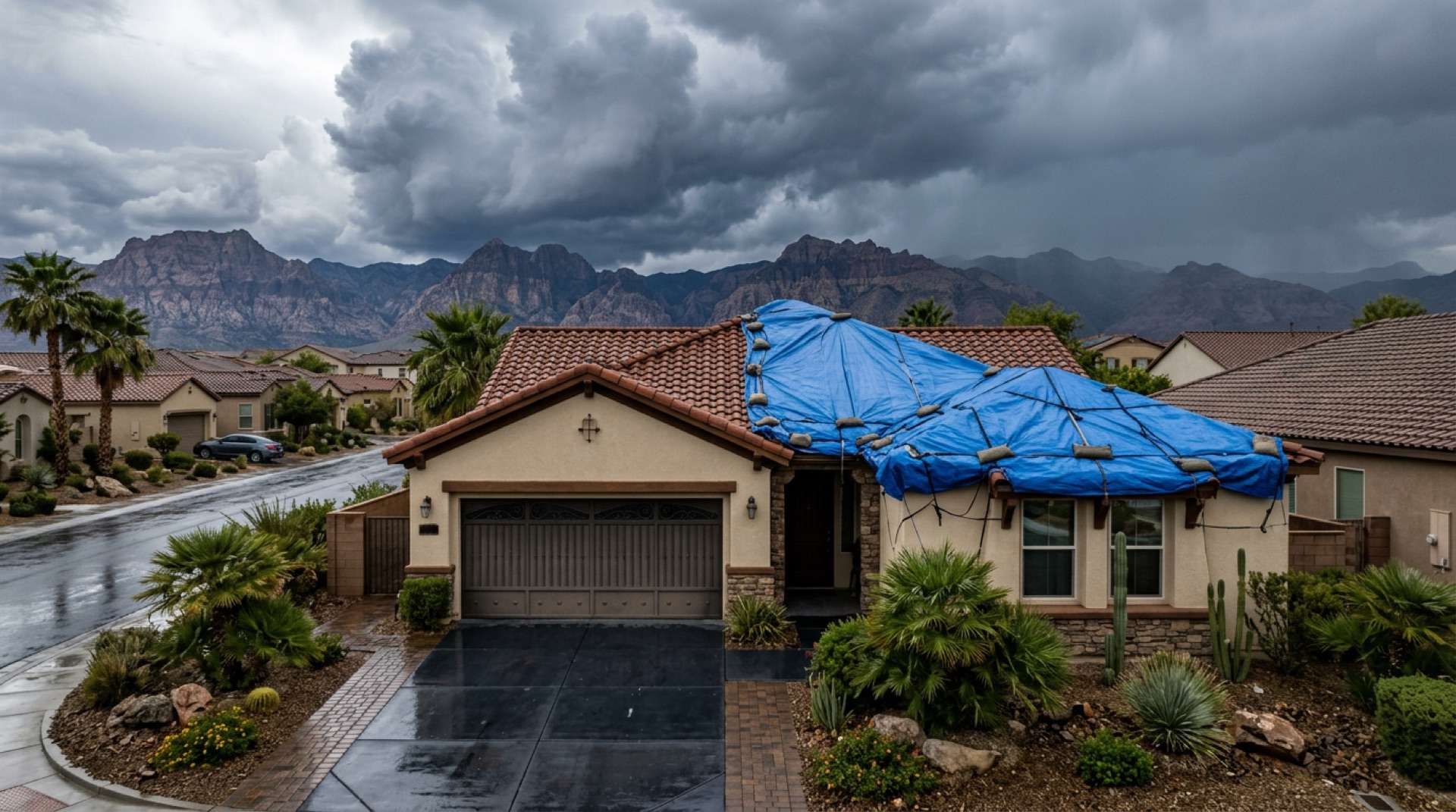
- Monsoon season brings most storm damage. The National Weather Service puts the Southwest monsoon at roughly June 15 to September 30.
- Severe storms bring damaging wind and hail. The National Weather Service defines a severe thunderstorm as one producing hail one inch or larger or wind gusts over 58 mph.
- Roof leaks show up inside first. Water from a damaged roof often travels along framing before it stains a ceiling, so the wet area is usually bigger than the stain.
- We answer 24/7. Storms often hit in the afternoon and evening, and our phone is answered nights, weekends and holidays.
- Estimates are free. We inspect, take moisture readings and explain the plan before any work.
What does storm damage look like in a Las Vegas home?
Storm damage is any harm from wind, hail, lightning or storm rain, plus the water that gets in afterward. In the valley it most often means wind-blown debris, broken windows, lifted roof tiles and water coming through a roof or wall that was already weak.
The water is usually the bigger problem. A small roof leak can soak attic insulation and drywall for days before anyone sees it.
| Sign | Where to look | What it often means |
|---|---|---|
| Brown or yellow ceiling stain | Bedrooms, hallways, under roof valleys | Water is coming through the roof |
| Sagging or bubbling ceiling drywall | Below the stain | Water is pooling above; stay out from under it |
| Cracked, slipped or missing roof tiles | Roof, yard and side yards | Openings that will leak in the next storm |
| Broken windows or sliders | Windward side of the house | Rain and dust can enter; needs board-up |
| Wet carpet near exterior walls | Rooms facing the storm | Wind-driven rain came through walls or doors |
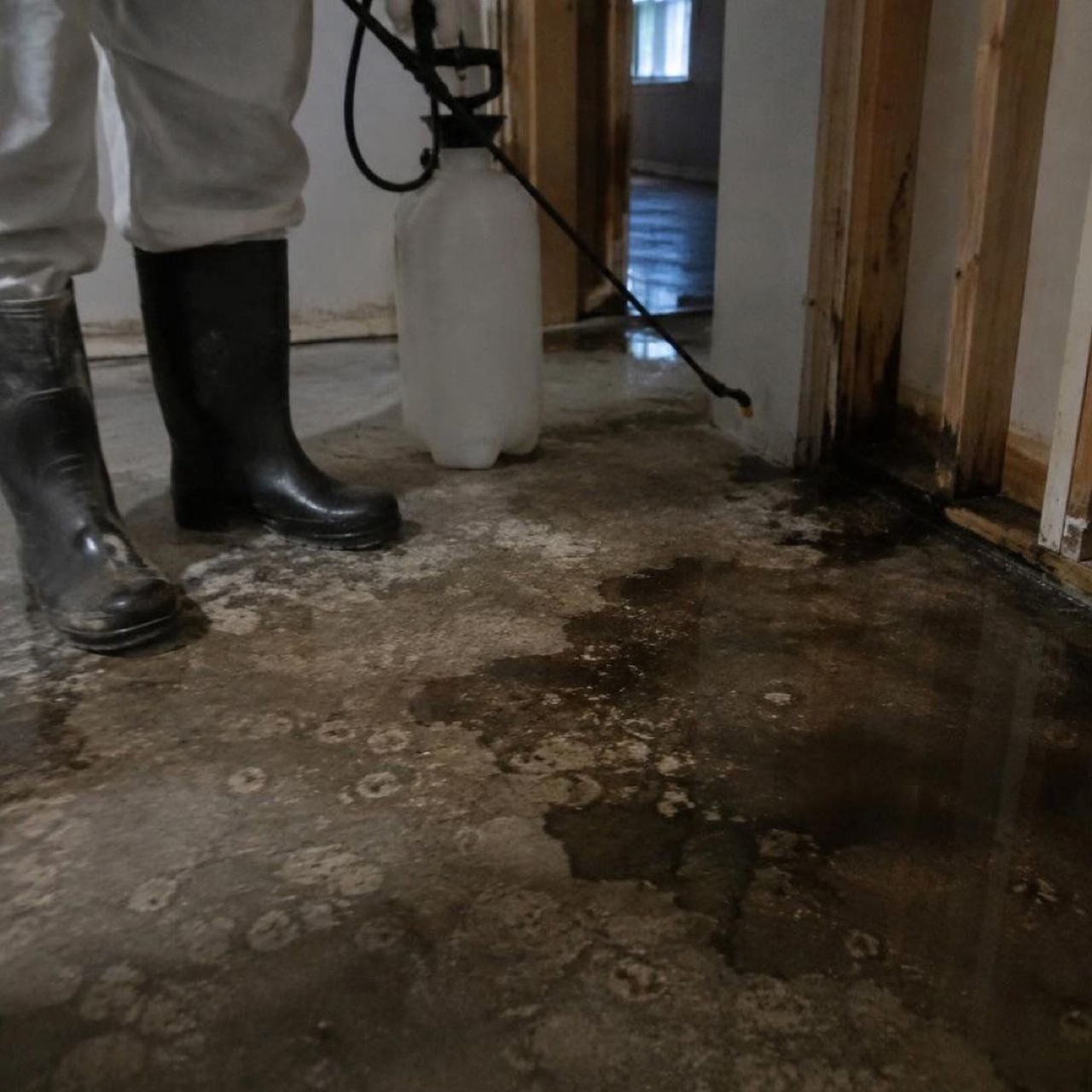
| Musty smell after a storm | Closets, attic access, garage | Hidden moisture that needs drying |
What should you do right after a storm?
Check for safety hazards first, then document the damage and stop more water from getting in if you can do it safely. The National Weather Service severe thunderstorm safety page covers what to do during and after a storm.
- Stay out of rooms with sagging ceilings and away from downed power lines
- Do not climb onto a wet or tile roof
- Photograph broken windows, roof damage and every wet room
- Put buckets and towels under active drips and move furniture out of the way
- Turn off power to any room where water is near outlets or fixtures
- Report the damage to your insurer when you are ready
What happens when you call JGW Group?
We answer, ask what happened and where the water is showing, and set a time to come out. The first job on site is to stop more damage, then we find and remove the water that already got in.
Broken windows and doors get covered with our emergency board-up services so the house is closed against rain, dust and intruders. Wet ceilings are checked with moisture readings, and if the drywall is saturated or sagging we open it, remove wet insulation and dry the cavity. Our ceiling water damage repair page covers that work in more detail.
- Inspection with moisture readings and photos
- Board-up of broken windows and doors
- Water extraction from carpet and floors
- Removal of soaked drywall, insulation and pad that cannot be dried
- Drying with air movers and dehumidifiers, checked until readings show dry
- Reconstruction of drywall, paint, flooring and trim
Water or smoke damage right now? A crew answers 24/7.
Call 725-525-3122What causes most storm damage calls in Las Vegas?
Most storm damage here comes from monsoon thunderstorms. They build fast over the mountains, drop heavy rain and hail in a short burst, and push strong outflow winds across the valley floor.
Desert heat also wears on roofs between storms. Underlayment beneath tile roofs breaks down over time, so a roof that looks fine from the street can leak once wind-driven rain hits it. Our monsoon flood prep guide covers simple steps before the season starts.
- Outflow winds that break windows and lift roof tiles
- Hail that cracks tiles, skylights and roof vents
- Wind-driven rain forced through stucco cracks and window frames
- Clogged gutters and roof drains that back water up under tiles
- Fallen trees and palm fronds hitting the roof or walls
Why call JGW Group for storm damage restoration?
One team handles the emergency, the drying and the rebuild, so you are not coordinating three companies after a storm. We document the damage and the drying with photos and moisture records, which helps when you file a claim, and we guide you through the claim process. Your insurer decides what the policy covers.
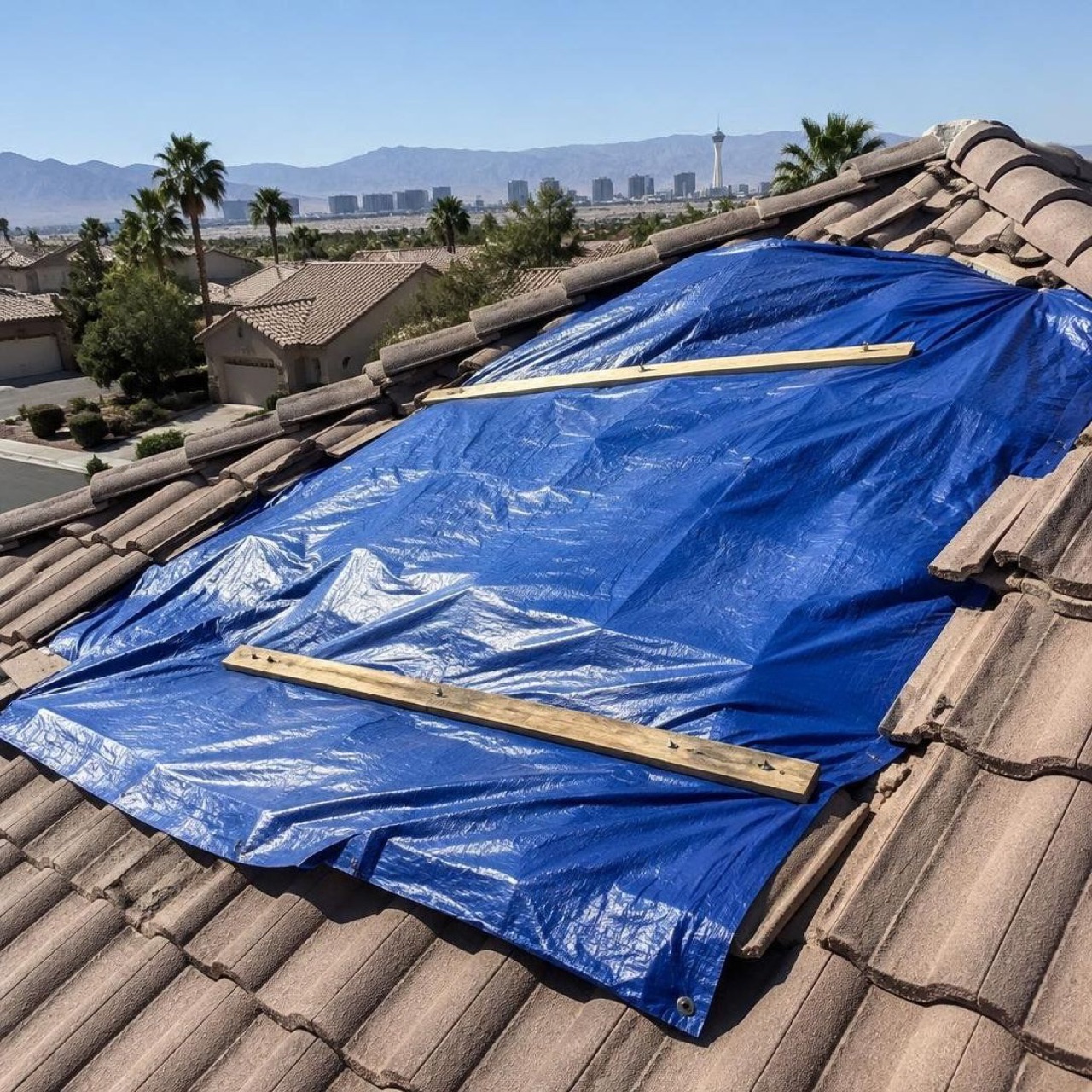
Roof repair itself is usually done by a roofer, and a temporary tarp over the damaged section can keep rain out until the roof is fixed. We focus on keeping water out of the interior, drying it and putting the rooms back together.
Where do we provide storm damage restoration?
Our office is at 6823 W Post Rd in Southwest Las Vegas. We work on homes and businesses across Las Vegas, Henderson, North Las Vegas, Summerlin, Spring Valley, Enterprise, Paradise and Boulder City. Call 725-525-3122 day or night for a free estimate.
“Shop vac was not cutting it so called the pros who were able to fully extract all moisture from carpet and walls saving me from having to replace all my carpet.”
Oliver Nelson, Google reviewFrequently asked questions
When is storm season in Las Vegas?
Most damaging storms in Las Vegas arrive during the Southwest monsoon, which the National Weather Service puts at roughly June 15 through September 30. Monsoon thunderstorms bring strong outflow winds, hail and short bursts of heavy rain. Winter storms can also bring wind and rain, but summer is when most storm damage calls come in.
Is a ceiling stain after a storm an emergency?
It can be. A stain means water got through the roof and soaked the drywall, and the wet area above is usually larger than what you see. If the ceiling is sagging or bulging, stay out from under it and call right away. Even a dry stain should be checked with a moisture reading.
Do you repair roofs?
Roof repair is usually done by a roofing contractor. JGW Group focuses on what happens inside: board-up of broken openings, water removal, drying ceilings, walls and floors, and rebuilding the damaged rooms. We can work alongside your roofer so the interior is dried and repaired once the roof is sealed.
Does homeowners insurance cover storm damage in Nevada?
Many homeowners policies cover sudden wind and hail damage, but coverage depends on your policy, your deductible and how the damage happened. Water from outside flooding is often excluded unless you have flood coverage. Your insurer makes that decision. We provide photos, moisture readings and a written scope to support your claim.
How fast should storm water damage be dried?
As soon as you can. The EPA notes mold can start growing within 24 to 48 hours on wet materials, so a ceiling or wall that stays wet after a storm is a mold risk. We start drying as soon as the source is stopped and track moisture until the materials read dry.
Do you handle storm damage for businesses?
Yes. JGW Group works on residential and commercial properties. Storms can break storefront glass, push water through flat roofs and soak office ceilings and carpet. The process is the same: secure the building, remove water, dry the structure with moisture monitoring and repair the interior. Call 725-525-3122 for a free estimate.
Stay out from under sagging ceilings and away from downed power lines after a storm.