
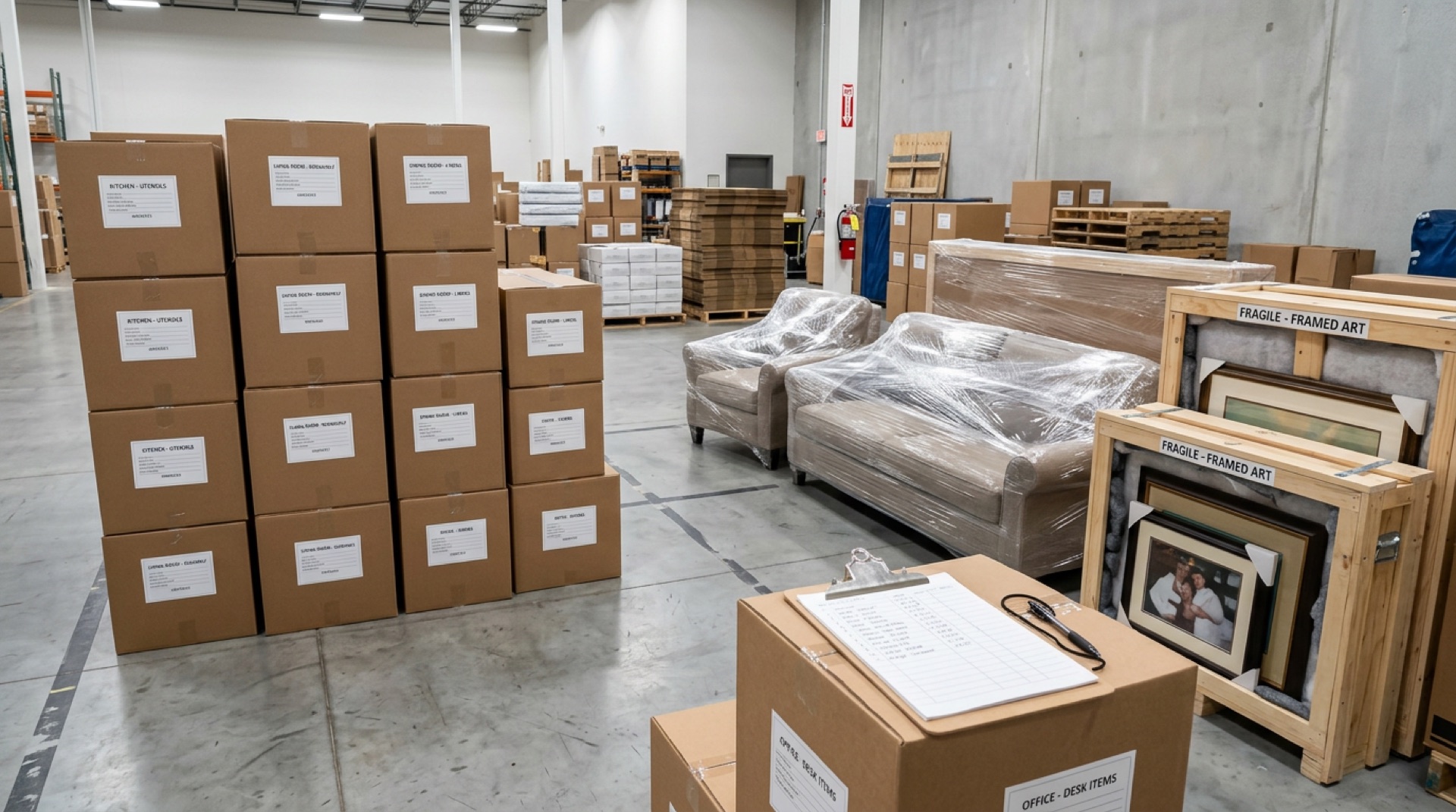
- Your belongings are part of the job. Customers tell us we took care of their furniture and personal items during mitigation and reconstruction.
- Moving contents speeds up drying. Furniture left on wet carpet traps moisture and blocks air movers.
- Not everything can be saved. Porous items soaked by sewage or floodwater are often not safe to keep; we explain which items are which.
- Photos and lists help the claim. Documenting items before they are cleaned or discarded gives your insurer a clear record.
- One company, start to finish. JGW Group handles mitigation, contents and the rebuild.
What does contents cleaning and restoration cover?
Contents are everything in the home that is not part of the building: furniture, rugs, clothing, electronics, books, decor and personal keepsakes. Contents restoration is the work of protecting, cleaning and returning those items while the structure is repaired.
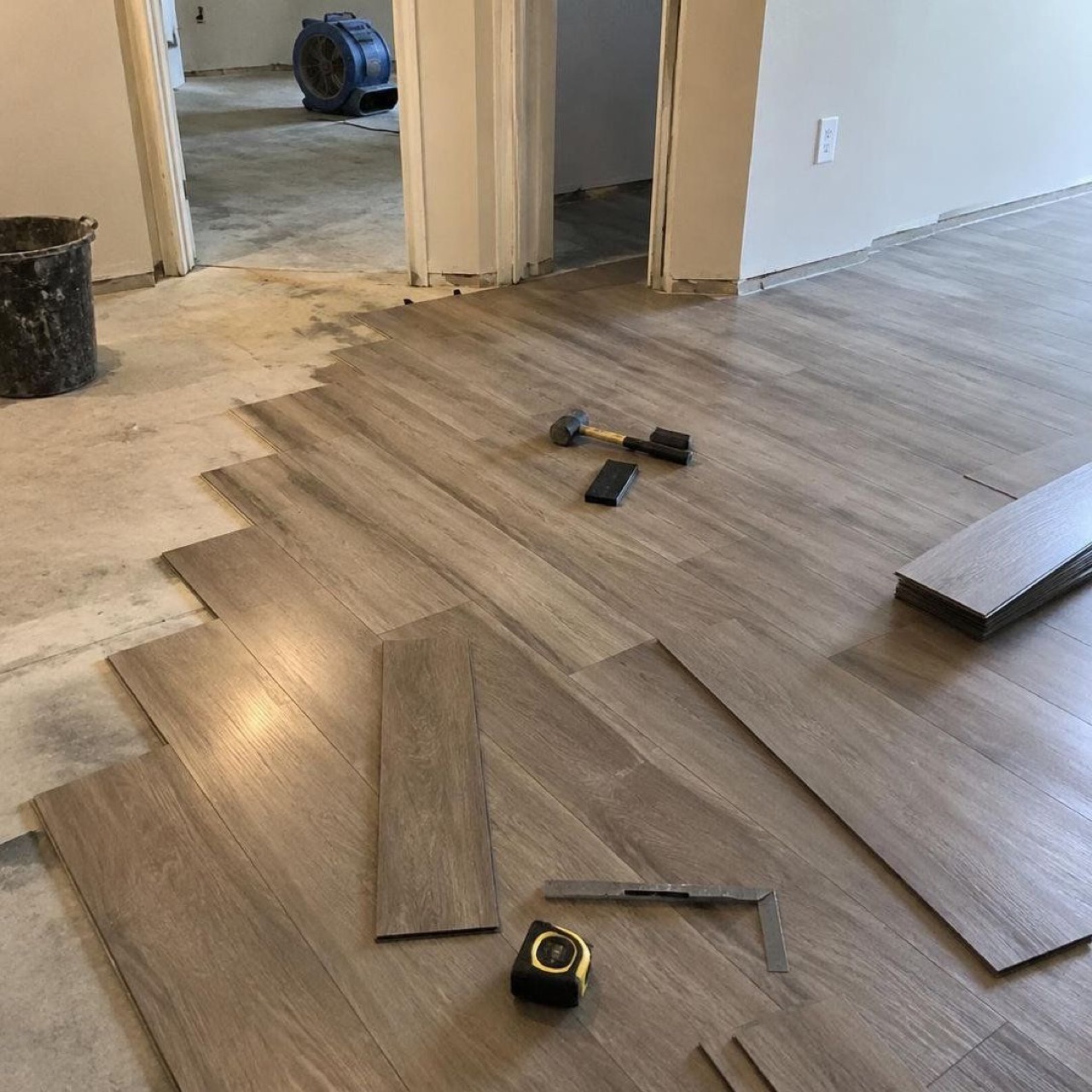
It sits alongside our reconstruction services. Walls and floors cannot be dried or rebuilt with a full room of furniture in the way, so moving and caring for contents is usually one of the first steps on a job.
- Upholstered furniture, wood furniture and mattresses
- Area rugs and window coverings
- Clothing, linens and shoes
- Books, papers and photographs
- Kitchenware, decor and keepsakes
- Electronics and small appliances, set aside for evaluation
What should you do with your belongings before we arrive?
Protect the most important things first and leave heavy lifting to us. Lifting a soaked couch or bookcase can cause injury and damage the furniture.
- Move documents, medications, jewelry and small valuables to a dry place
- Lift light items off wet carpet; set wood furniture legs on foil or plastic blocks
- Photograph items where they sit before moving them
- Do not run wet electronics; unplug them if it is safe to reach the outlet
- Keep anything that touched sewage or floodwater separate from clean items
- Do not throw out damaged items before they are documented for your claim
How does the contents process work?
It starts with sorting and a record. Items are photographed and listed, then grouped by what they need: cleaning, drying, protection or disposal. The list becomes the record of what left the room and what is coming back.
When rooms need full access, contents may be packed and moved out of the work area, a step often called a pack-out. Items that can be cleaned are cleaned, and items that cannot be saved are documented before disposal so you and your insurer know exactly what was lost.
| Step | What happens | Why it matters |
|---|---|---|
| Sort | Separate items that can be saved from items that cannot | Prevents spreading contamination to clean items |
| Document | Photograph and list items, with condition notes | Gives a clear record for the claim |
| Move or pack | Move contents out of the work area or protect them in place | Lets drying and rebuilding happen |
| Clean | Clean furniture and personal items based on material and damage type | Removes soil, soot or odor |
| Return | Bring items back once rooms are rebuilt | You get your home back in one piece |
Water or smoke damage right now? A crew answers 24/7.
Call 725-525-3122Which items can be saved after water, smoke or mold damage?
It depends on the material and the type of damage. Hard, nonporous items like glass, metal and sealed wood usually clean well. Porous items like mattresses, upholstered cushions, stuffed toys and paper soaked by sewage or floodwater are often not worth the health risk.
Mold adds another layer. The EPA's mold cleanup guidance notes that absorbent materials such as ceiling tiles and carpet may need to be thrown away if they become moldy, because mold can grow into empty spaces in the material. Smoke and soot residue can usually be cleaned from many hard and soft goods if handled early, which is covered in our guide on what to do after a house fire.
- Usually cleanable: glass, ceramics, metal, sealed wood, many hard plastics
- Often cleanable: clothing and linens in washable fabrics, some upholstery
- Case by case: photographs, documents, books, electronics, area rugs
- Often discarded after sewage or flood: mattresses, pillows, stuffed toys, soaked particleboard
Why choose JGW Group for contents cleaning?
We treat your belongings as part of restoring your home, not as an afterthought. Because one company handles mitigation, contents and reconstruction, nothing falls between two contractors, and the records of what left each room are the same ones used to bring it back.
We guide you through the insurance claim with photos, lists and documentation. Your insurer decides what the policy covers for contents.
Where do we provide contents cleaning and restoration?
We work out of 6823 W Post Rd in Southwest Las Vegas and serve homes and businesses across Las Vegas, Henderson, North Las Vegas, Summerlin, Spring Valley, Enterprise, Paradise and Boulder City. Call 725-525-3122 any time for a free estimate.
“They handled everything from the water mitigation to the full reconstruction. They also took great care of our furniture and personal belongings. The team guided us through the insurance claim process.”
Carol Denson, Google reviewFrequently asked questions
What is a contents pack-out?
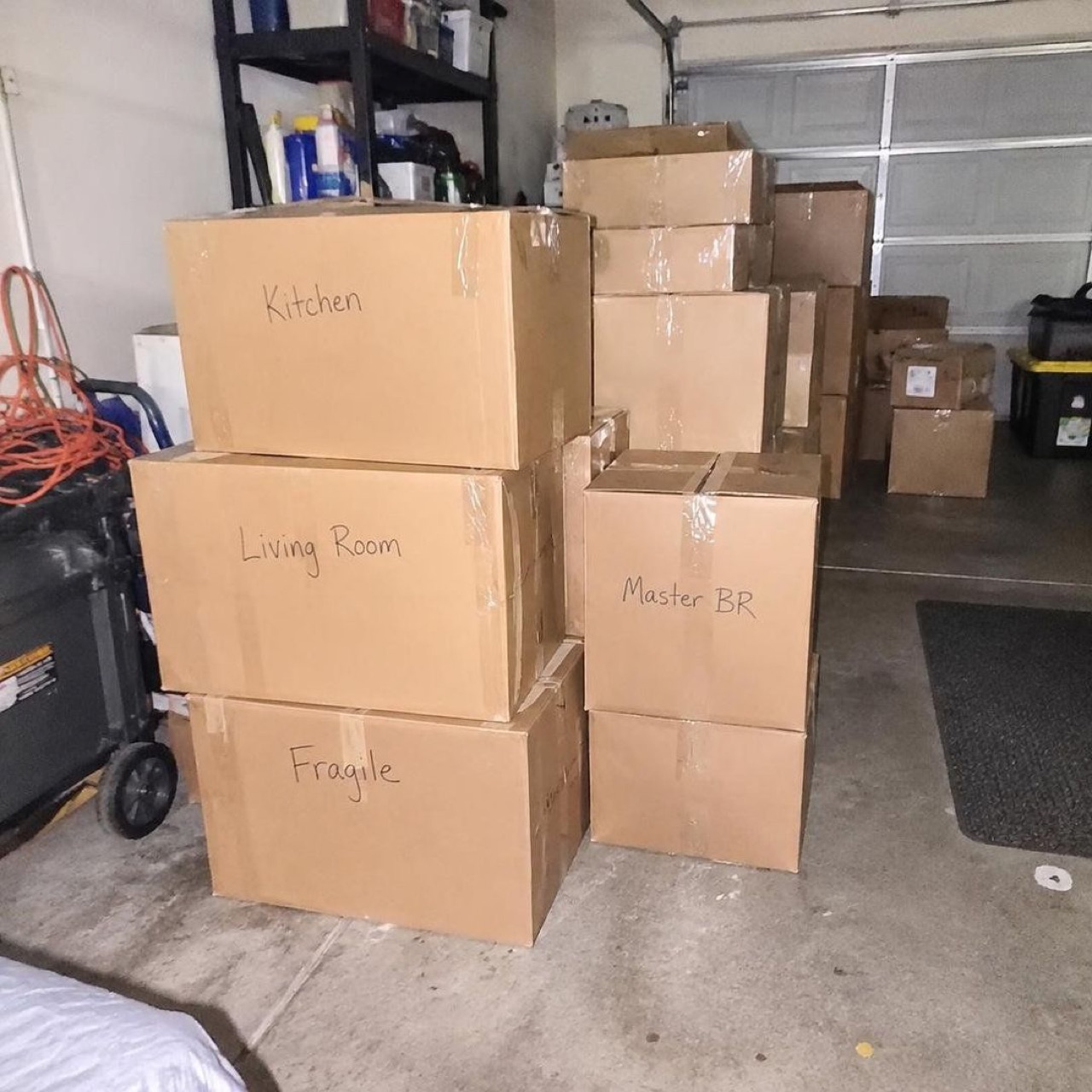
A pack-out means carefully packing and moving belongings out of the damaged area so crews can dry, clean and rebuild without working around furniture. Items are photographed and listed first, so there is a record of what left and what comes back. Smaller jobs may only need contents moved to an unaffected room and protected.
Can furniture be saved after water damage?
Often, yes, if it is moved quickly and the water was clean. Solid and sealed wood furniture usually dries and cleans well. Upholstered pieces depend on how long they sat wet and what kind of water reached them. Particleboard swells and rarely recovers. Items soaked by sewage or floodwater are often not safe to keep.
Can you clean smoke odor out of clothes and furniture?
Many items can be cleaned after smoke damage, especially when cleaning starts soon after the fire. Washable clothing and linens usually respond well. Upholstery, rugs and porous decor depend on how heavy the soot is. We sort items, test cleaning where needed and tell you plainly which pieces will come back and which will not.
Should I throw out damaged items before the adjuster comes?
Not before they are documented. Photograph damaged items, note what they are and keep a list. Items that are a health risk, such as food or sewage-soaked materials, may need to go right away, but take photos first. JGW Group photographs and lists contents during the job, which gives your insurer a clear record.
Does insurance pay for contents cleaning?
Many homeowners and renters policies include coverage for personal property, which can include cleaning, moving and replacing damaged contents. Limits, deductibles and exclusions vary, and your insurer decides what is covered. We provide photos, item lists and a written scope to support the contents part of your claim and guide you through the process.
Keep items that touched sewage or floodwater separate from clean belongings, and wash your hands after handling them.