
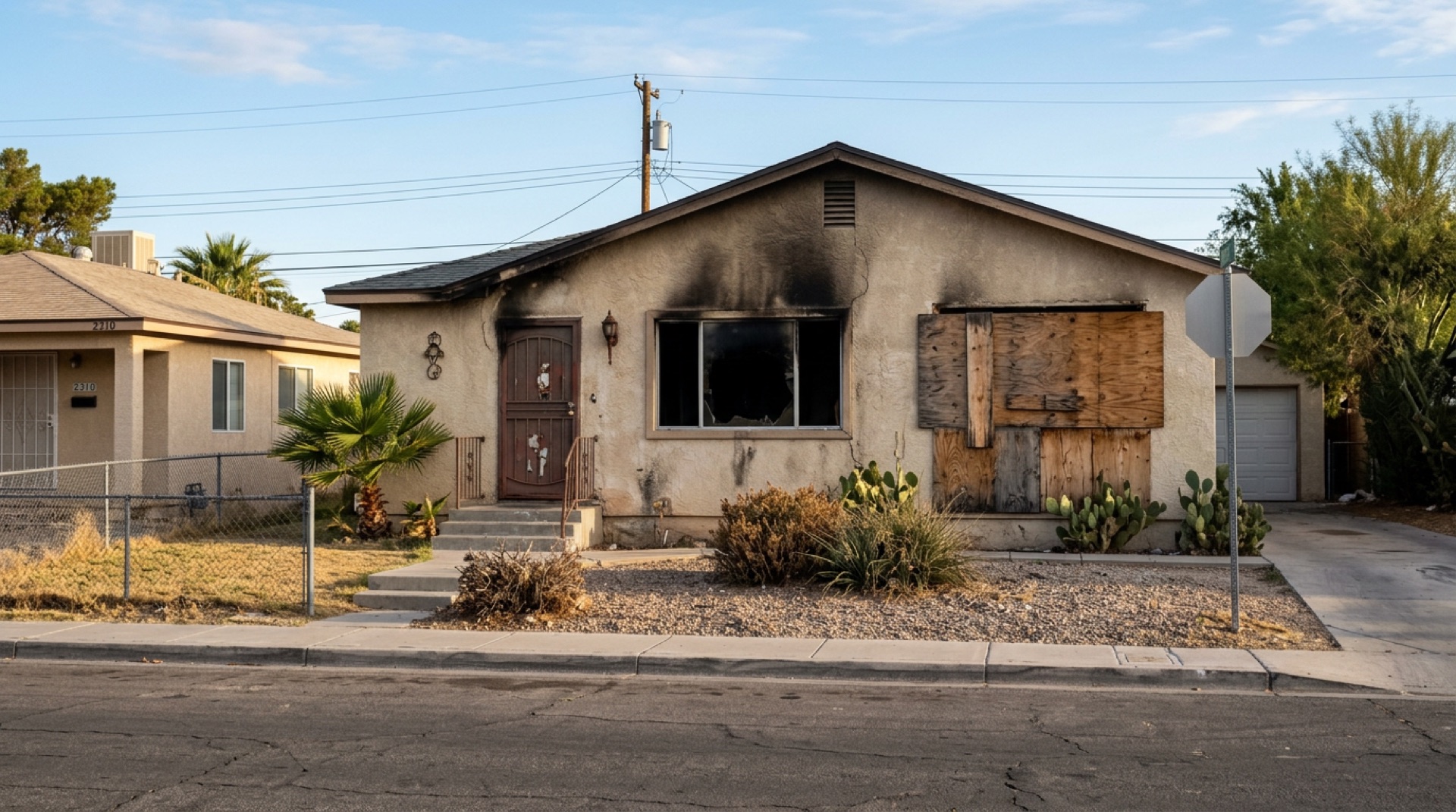
What should you do first after a house fire?
Make sure everyone is safe and stay out of the house until the fire department says you can go back in. Fire can weaken floors, ceilings and wiring, and smoke leaves behind residue that is not safe to breathe in a closed home.
The American Red Cross advises people to stay out of fire-damaged homes until local fire authorities say it is safe to re-enter. Its home fire recovery guide also covers first aid, pets, and emotional recovery for your family.
If you need a place to stay tonight, the Red Cross and your insurer are the first two calls. Many homeowners policies include additional living expenses when a covered fire makes the home unlivable, but your policy decides what is paid.
What does the first week usually look like?
The first week is mostly about safety, paperwork and protecting what is left. Cleanup and repairs come after the insurer and the restoration team understand the scope.
Use this timeline as a rough guide. Every fire is different, and your adjuster may ask for steps in a different order.
| When | What to do | Why it matters |
|---|---|---|
| Day of the fire | Get everyone safe, call 911, contact family | Safety and first aid come before property |
| Day of the fire | Call your insurance company and get a claim number | Starts the claim and any living expense help |
| First 24 hours | Secure the home with board-up and roof tarps | Keeps out weather, animals and trespassers |
| First 1 to 2 days | Photograph and video every room and item | Supports your claim before anything is moved |
| First few days | Start water extraction and drying from firefighting | Wet materials can grow mold within 24-48 hours |
| First week | Begin soot and smoke cleanup and odor control | Soot residue can stain and corrode over time |
| After the scope is set | Plan repairs and reconstruction | Repairs follow the insurer's review and estimates |
Why does a fire leave water damage too?
Putting out a house fire takes a lot of water, and that water soaks drywall, insulation, carpet and the concrete slab. In many homes the water damage covers more square feet than the fire itself.
That water needs the same extraction and drying as any other leak. Left in place, it can lead to mold and odor problems on top of smoke damage. A restoration team should check moisture in rooms that did not burn, not just the burned area. If you want to know how insurance treats different kinds of water loss, read does homeowners insurance cover water damage in Nevada.
How do you secure a fire-damaged home?
Board up openings and cover the roof as soon as fire officials release the property. Broken windows, cut-open roofs and forced doors leave the house open to monsoon rain, wind-blown dust, animals and theft.
Most insurers expect you to take reasonable steps to prevent more damage. Emergency board-up and tarping are usually part of that. Keep receipts and photos of the work for your claim.
Before you leave the house unattended, also:
- Ask the fire department whether utilities are safe or must stay off.
- Remove valuables, documents and medications only if officials allow it.
- Tell your insurer and the local police that the home will be vacant.
- Forward mail and arrange for someone to check on the property.
Dealing with this right now? Get a free estimate.
Call 725-525-3122What should you not touch or clean yourself?
Avoid wiping soot or scrubbing walls before a professional assesses them. Soot is oily and fine, and rubbing it with a household cleaner can smear it deeper into paint, grout and fabric.
Other things to avoid in the first days:
- Turning on the HVAC system, which can spread soot through ducts to clean rooms.
- Using electrical outlets or appliances that were exposed to heat or water.
- Eating or drinking anything that was exposed to heat, smoke or soot.
- Throwing items away before they are photographed and listed for the insurer.
- Washing smoke-damaged clothing with regular detergent, which can set the odor.
How does smoke and soot cleanup work?
Smoke cleanup removes residue from surfaces, contents and the air, then treats the odor at its source. Covering smell with fragrance does not work, because smoke particles settle into drywall, insulation, cabinets and fabric.
A typical smoke damage cleanup job includes dry soot removal, surface cleaning matched to each material, cleaning of contents that can be saved, and odor treatment. Heavily burned drywall, insulation and flooring are removed and replaced as part of the rebuild.
Your belongings matter too. Furniture, clothing, photos and electronics can often be cleaned and stored while the house is repaired. One of our customers, Carol Denson, wrote in a Google review that the team "took great care of our furniture and personal belongings."
What documents should you gather after a fire?
Pull together your key documents early, because many of them may have been damaged or left in the house. Replacements take time, and your insurer and lender will ask for several of them.
Start a folder, paper or digital, with:
- Your insurance policy number, agent contact and claim number.
- Driver's licenses, passports and Social Security cards that need replacement.
- Mortgage information and the lender's contact, since most lenders must be told about the loss.
- Receipts for anything you pay for after the fire, including hotels, meals and clothing.
- A room-by-room list of damaged belongings with photos.
- Names and phone numbers of everyone you speak with at the insurer, the fire department and contractors.
How do you work with your insurer after a fire?
Give your insurer clear records and keep copies of everything. The adjuster reviews the damage, the policy and the estimates. The restoration company does not decide coverage.
Make a running list of damaged items with descriptions, approximate age and photos. Keep a folder of receipts for hotels, meals, clothing and other costs you pay out of pocket. Write down the name of everyone you speak with at the insurance company and the date.
JGW Group documents fire, smoke and water damage room by room and shares those records with you and your adjuster. Learn more about our full fire damage restoration process, from board-up through reconstruction.
Frequently asked questions
When can I go back into my house after a fire?
Only when the fire department or local fire officials say it is safe. They check for structural damage, hot spots and utility hazards. Even after you are cleared, limit time inside, wear a mask and gloves, and avoid touching soot. In Las Vegas, JGW Group can meet you at the property once it is released to assess damage and secure the home.
Can smoke-damaged furniture and clothing be saved?
Often, yes. Many fabrics, hard furniture, dishes and keepsakes can be cleaned and deodorized, especially if they were not directly burned. Items are photographed and listed first so your insurer has a record. JGW Group cleans and cares for contents as part of fire restoration, and items that cannot be restored are documented for your claim.
Why is there so much water damage after a fire?
Firefighters use large amounts of water to put out a house fire, and that water soaks into walls, insulation, flooring and the concrete slab. It needs to be extracted and dried quickly, because wet materials can grow mold within 24-48 hours. Drying often happens alongside early smoke cleanup in the first days after the fire.
Does JGW Group board up homes after a fire in Las Vegas?
Yes. JGW Group provides emergency board-up 24 hours a day, 7 days a week, for homes and businesses in the Las Vegas area. Securing the property keeps out weather, animals and trespassers and helps prevent further damage while your claim is reviewed. Call 725-525-3122 once fire officials release the property.