
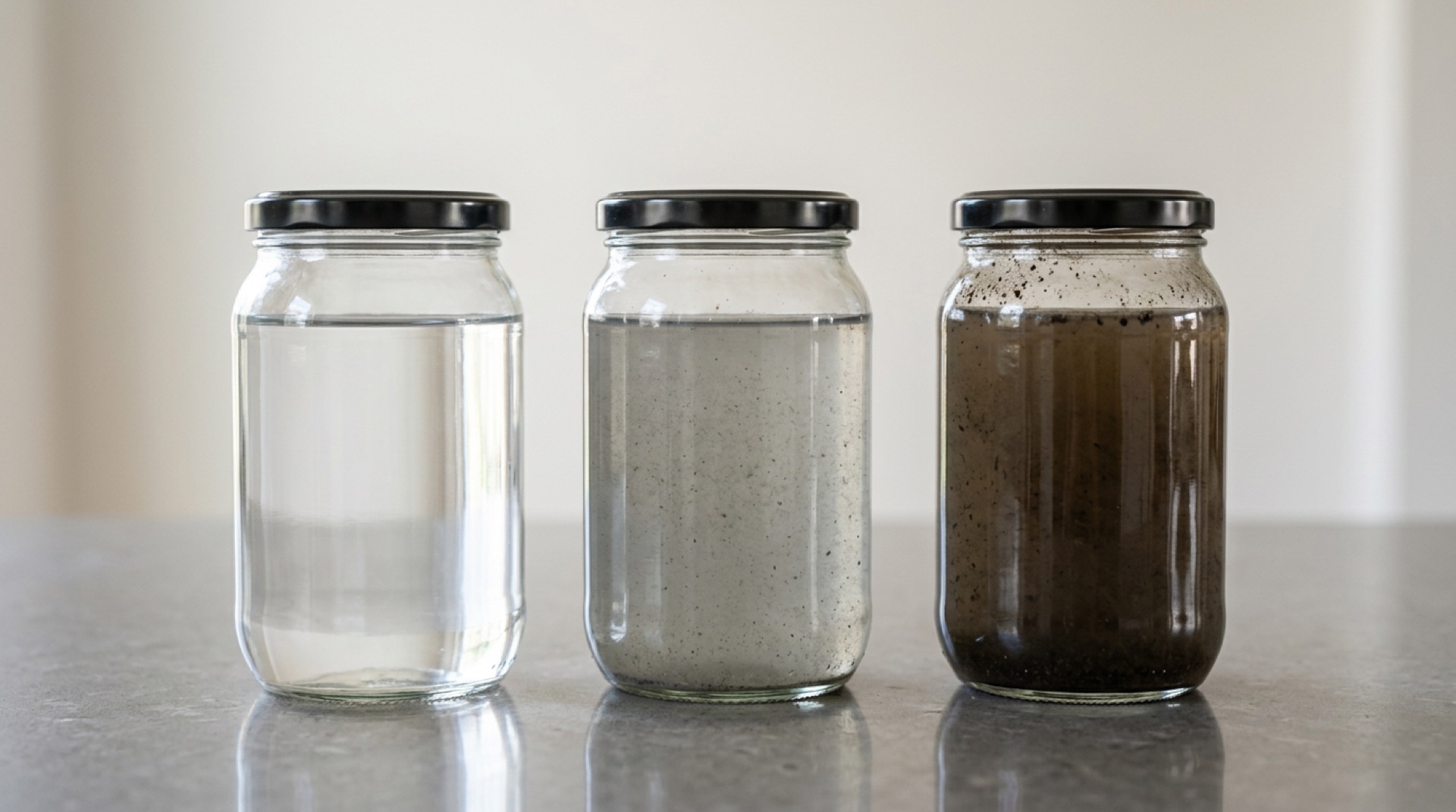
What do water damage categories mean?
Water damage categories describe how contaminated the water is, from clean to grossly unsanitary. The category decides what can be dried and saved, what must be removed, and what protective steps the crew takes.
The categories come from the ANSI/IICRC S500 Standard for Professional Water Damage Restoration, published by the Institute of Inspection, Cleaning and Restoration Certification. The current edition is the fifth, released in 2021, and a consensus body has begun work on the next revision.
Category is different from class. Category is about contamination. Class is about how much water is present and how hard the job will be to dry.
How do the three categories compare?
Category 1 is clean, Category 2 carries significant contamination, and Category 3 is grossly contaminated. The table shows common sources and what each usually means for cleanup.
| Category | Also called | Common Las Vegas sources | What it means for cleanup |
|---|---|---|---|
| Category 1 | Clean water | Burst supply line, sink or tub overflow with no contaminants, water heater rupture, ice maker line | Many materials can be dried in place if work starts quickly |
| Category 2 | Gray water | Washing machine or dishwasher discharge, aquarium or waterbed leak, toilet overflow with urine but no feces | Carpet pad is usually removed, surfaces are cleaned and treated |
| Category 3 | Black water | Sewage backup, toilet overflow with feces, flood water entering from outside | Porous materials that got wet are removed, area is contained and sanitized |
What is Category 1 clean water damage?
Category 1 water comes from a sanitary source and does not pose a substantial risk when people touch it or breathe around it. In Las Vegas homes, burst supply lines, failed faucet connections and refrigerator ice maker leaks are the most common examples.
Clean water losses are the best case. Carpet, pad and drywall can often be dried and kept if extraction and drying start quickly. That is why a fast first call matters even when the water looks clean.
What is Category 2 gray water damage?
Category 2 water contains enough contamination to cause discomfort or illness if people are exposed to it. It may carry chemicals, soaps, food waste or microorganisms.
Common examples include a washing machine that overflows during the rinse cycle, a dishwasher drain backup and a toilet bowl overflow with urine only. Cleanup usually means removing and replacing carpet pad, cleaning and treating surfaces, and drying the structure. Some carpet can be cleaned and kept, depending on the material and how long it was wet.
What is Category 3 black water damage?
Category 3 water is grossly contaminated and can carry bacteria, viruses and other harmful agents. Sewage, toilet backflows with feces and water that flows in from outside after picking up soil and waste fall into this group.
Cleanup is more involved. The area is contained, crews wear protective gear, and porous materials that absorbed the water, such as carpet, pad, the bottom of drywall and insulation, are usually removed and disposed of. Hard surfaces are cleaned and sanitized before drying.
Sewage problems need prompt attention. Learn how sewage cleanup is handled and why household cleaners are not enough. Keep children, pets and anyone with health concerns away from the area.
Dealing with this right now? Get a free estimate.
Call 725-525-3122Can clean water become more contaminated over time?
Yes. The S500 treats category as something that can change. Clean water that sits, picks up contaminants from carpet backing, dust and building materials, or supports microbial growth can degrade into Category 2 or 3.
That is one more reason not to wait. A Category 1 leak dried in the first day often means saving materials. The same leak left for several days may mean removing them.
Weather-related water needs judgment too. The IICRC has published a position statement noting that water from weather events, such as roof leaks and wind-driven rain, is not automatically Category 3. Runoff that crosses yards and streets before entering a house is a different story. Read more in our monsoon flood prep guide.
What are water damage classes?
Classes describe how much water is present and how much drying the job will take. The S500 sorts losses into classes based on how much of the room got wet and what kinds of materials absorbed water.
In plain terms:
- Class 1: a small area, with little water absorbed into materials.
- Class 2: a larger area, with water wicking up walls and soaking carpet and pad.
- Class 3: the most water, often from overhead, with walls, ceilings and floors saturated.
- Class 4: specialty drying for dense materials like hardwood, concrete and plaster that hold water deeply.
What should you do while you wait for help?
Stop the water if you can do it safely, and treat any water you are unsure about as contaminated. Guessing low on the category is the riskier mistake.
While you wait:
- Shut off the water at the fixture or the main valve.
- Turn off power to wet rooms at the breaker only if you can reach the panel from a dry spot.
- Keep children, pets and anyone with a weak immune system out of the area.
- Wear gloves and rubber boots if you must walk through gray or black water.
- Do not run the HVAC system if sewage or flood water got inside.
- Take photos of the water, the source and the affected rooms.
- Wash your hands well after touching anything that got wet.
Which Las Vegas situations get misjudged most often?
The most common mix-ups involve appliances and toilets. A dishwasher leak can look clean but carries food waste and detergent, which puts it in Category 2. A toilet supply line that bursts is clean water, but an overflowing bowl is not.
Slab leaks are usually clean supply water at first. If the water sat under carpet for weeks before anyone found it, though, the materials may have degraded, and the plan changes.
How does the category change your restoration plan?
The category is set before work starts, because it decides what is saved, what is removed and what the crew wears. It also goes into the documentation your insurer reviews.
JGW Group assesses the water source and contamination on the first visit, explains what it means for your home, and records it with photos and moisture readings. From there, the job follows the right path for full water damage restoration, from extraction and drying through repairs.
Frequently asked questions
Is a toilet overflow Category 2 or Category 3?
It depends on what was in the bowl. Overflow from a toilet bowl with urine but no feces is generally treated as Category 2. A backup or overflow with feces, or one caused by a sewer line problem, is treated as Category 3. Either way, keep people and pets away and avoid walking through the water while you wait for help.
Can I clean up Category 3 water myself?
It is not recommended. Sewage and other grossly contaminated water can carry bacteria and viruses, and porous materials it touches usually need to be removed, bagged and disposed of. Proper cleanup involves containment, protective gear, sanitizing and drying. In Las Vegas, JGW Group handles sewage cleanup 24/7. Call 725-525-3122 for help.
Does the water category affect my insurance claim?
The category affects the scope of work, such as whether carpet and drywall are dried or replaced, which affects the estimate your adjuster reviews. Coverage itself depends on what caused the water and on your policy. For example, sewer backup often needs a separate endorsement. Your insurer makes the coverage decision, so ask your agent if unsure.
How do I know which category my water damage is?
Start with the source. A burst supply line is usually Category 1, appliance drain water is usually Category 2, and sewage or outside flood water is Category 3. Time and contact with dirty materials can raise the category. A restoration technician confirms it on site before cleanup starts, since the wrong category can leave contamination behind.