

Water damage can happen suddenly after a burst pipe, roof leak, flood, or appliance malfunction. What many property owners do not realize is that mold growth can begin much faster than expected. In many cases, mold can start developing within 24 to 48 hours after moisture exposure. This is why immediate Water Damage Restoration is critical for protecting both your property and indoor air quality.
Mold thrives in damp, humid environments and can spread behind walls, under flooring, and inside ceilings before visible signs appear. If left untreated, mold may cause structural damage and create health concerns for occupants. Understanding how quickly mold develops after water damage helps homeowners and business owners take the right steps before the problem worsens. In this guide, we will explain the mold growth timeline, warning signs, causes, prevention methods, and why professional restoration services are essential after water damage occurs.
Why Mold Grows Quickly After Water Damage
Mold spores naturally exist in the air both indoors and outdoors. Under normal conditions, these spores are harmless. However, once water damage introduces excess moisture into a property, mold spores can begin multiplying rapidly. Warm temperatures, poor ventilation, and damp materials create the perfect environment for growth.
Porous materials such as drywall, carpet, wood, insulation, and ceiling tiles absorb water quickly. Once moisture becomes trapped inside these materials, mold can spread beneath the surface where it may not be immediately visible. This hidden growth is one reason why delayed cleanup often leads to larger restoration issues.
Humidity also plays a major role in mold development. After flooding or leaks, indoor humidity levels can rise dramatically. If the moisture is not removed using proper drying equipment, mold colonies may expand throughout the property. Even small water leaks behind walls can support mold growth over time.
Professional Water Damage Restoration helps prevent mold by removing standing water, drying affected materials, and reducing indoor humidity quickly.
The Timeline of Mold Growth After Water Exposure
Mold growth begins much sooner than most people expect. The first 24 to 48 hours after water damage are considered the most critical period for prevention. During this stage, mold spores start attaching themselves to wet surfaces and organic materials.
Within two to three days, mold colonies may begin forming in damp areas. These colonies are often too small to see immediately, but they are actively spreading. Materials such as carpeting, drywall, and insulation become highly vulnerable during this timeframe.
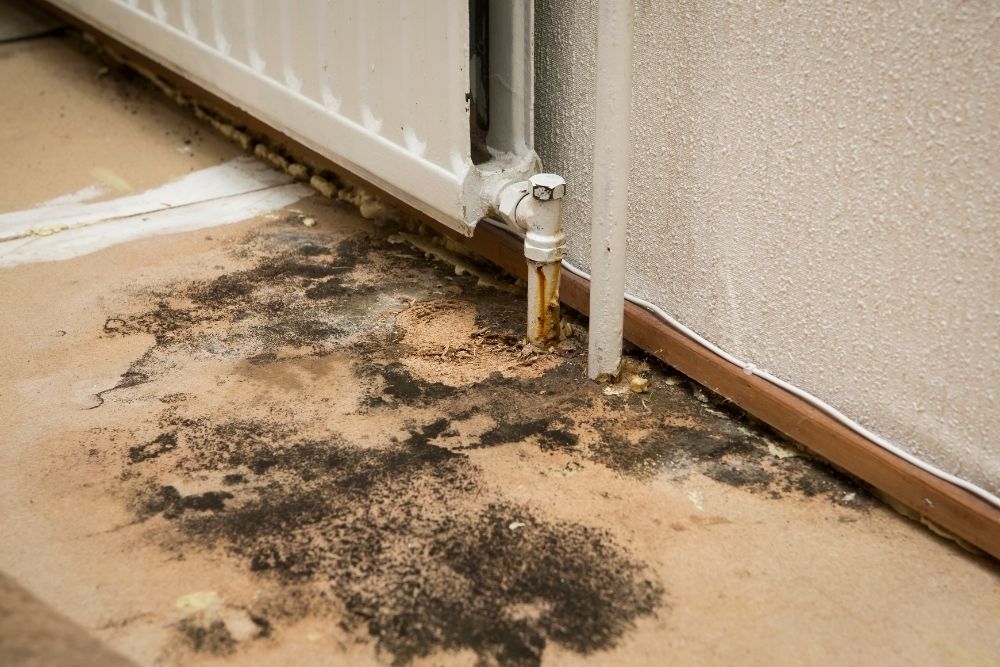
After one week of untreated moisture, visible mold patches often appear. The mold may look black, green, brown, or white depending on the species and surface involved. At this point, unpleasant odors usually develop as well. Mold can continue spreading rapidly if the moisture source is not eliminated.
After several weeks, mold contamination may become severe enough to affect structural materials and indoor air quality. Extensive mold growth may require demolition, deep cleaning, and specialized remediation services.
Common Areas Where Mold Appears First
Certain areas of a property are more vulnerable to mold after water damage. These spaces often trap moisture or have limited airflow, making them ideal environments for fungal growth. Understanding where mold commonly forms can help property owners detect issues earlier.
Bathrooms are among the most common mold-prone areas because of frequent humidity and plumbing leaks. Water can seep behind tiles, under sinks, and around tubs or showers. Kitchens are another high-risk location due to appliance leaks, pipe issues, and poor ventilation.
Basements are especially susceptible because they are naturally cooler and more humid. Flooding, groundwater seepage, or foundation cracks can introduce moisture that remains trapped for long periods. Attics can also develop mold after roof leaks or poor ventilation causes condensation buildup.
Mold frequently appears behind drywall, beneath carpets, and under wood flooring after flooding. Since these areas are hidden from view, mold may continue spreading unnoticed for weeks. A musty odor is often one of the first warning signs.
Health Risks Associated With Mold Exposure
Mold exposure can affect indoor air quality and potentially trigger health issues for some individuals. The severity of symptoms often depends on the type of mold present, the level of exposure, and the person’s overall health condition.
Many people experience allergic reactions when exposed to mold spores. Common symptoms include sneezing, coughing, congestion, watery eyes, throat irritation, and skin irritation. Individuals with asthma or respiratory conditions may experience worsening symptoms in mold-contaminated environments.
Children, elderly individuals, and people with weakened immune systems are generally more vulnerable to mold exposure. Long-term exposure to significant mold growth may contribute to chronic respiratory discomfort and poor indoor air conditions.
Mold also creates unpleasant odors that make living or working environments uncomfortable. In commercial properties, mold problems can affect employee productivity and customer experiences.
Signs That Mold Is Growing in Your Property
Mold is not always visible immediately after water damage. In many cases, the earliest signs are subtle and easy to overlook. Recognizing these warning signs early can help prevent extensive contamination and costly repairs.
One of the most common indicators is a persistent musty odor. Mold releases microbial compounds that create a damp, earthy smell. Even if mold is hidden behind walls or under flooring, the odor often becomes noticeable first.
Discoloration on walls, ceilings, or floors may also indicate mold growth. Spots can appear black, green, gray, brown, or white depending on the mold type and affected material. Bubbling paint, warped drywall, and peeling wallpaper are additional signs of moisture intrusion.
Increased allergy symptoms inside the property may also suggest mold contamination. If occupants notice coughing, sneezing, or respiratory irritation that improves when leaving the building, mold could be present.
How Professional Drying Prevents Mold Growth
Proper drying is one of the most important steps after water damage. Surface drying alone is not enough because moisture often penetrates deep into structural materials. Without professional equipment, hidden dampness can remain for days or weeks.
Restoration professionals use industrial-grade air movers, dehumidifiers, and moisture meters to remove excess water effectively. These tools accelerate evaporation and reduce indoor humidity levels quickly. Specialized equipment also helps dry hard-to-reach areas behind walls and beneath flooring.
Moisture detection technology is essential because water can migrate throughout a structure unexpectedly. Professionals monitor moisture levels carefully to ensure materials are fully dry before repairs begin. This process significantly reduces the likelihood of mold growth.
Fast drying also helps preserve building materials and personal belongings. Carpets, drywall, furniture, and wood flooring may often be saved if drying begins quickly enough.
Preventing Mold After a Flood or Leak
Preventing mold after water damage requires immediate action. The faster moisture is removed, the lower the chance mold will develop. Property owners should begin cleanup as soon as it is safe to do so.
Stopping the source of water is the first priority. Shut off leaking pipes, repair roof damage, or address appliance malfunctions immediately. Removing standing water quickly also helps minimize damage to floors, walls, and belongings.
Ventilation is critical during the drying process. Opening windows, using fans, and running dehumidifiers can help reduce indoor humidity levels. Wet materials such as rugs, furniture, and insulation should be dried thoroughly or removed if heavily saturated.
Routine inspections are important after any water event. Even small leaks can create hidden moisture behind walls or beneath floors. Checking for odors, discoloration, or humidity changes can help identify problems early.
Why Delayed Cleanup Makes Mold Problems Worse
Delaying water cleanup significantly increases the risk of mold contamination and structural damage. What starts as a minor leak can quickly escalate into a much larger and more expensive restoration project.
Moisture spreads rapidly through porous materials. Water can soak into drywall, insulation, carpeting, and wood within minutes. Once materials remain wet for more than 24 to 48 hours, mold growth becomes much more likely.
As mold spreads, remediation becomes more complicated and costly. Contaminated materials may require removal and replacement instead of simple drying and cleaning. Severe mold growth can also spread through HVAC systems, affecting multiple rooms throughout a property.
Delayed cleanup may also weaken structural components over time. Wood rot, warped flooring, ceiling damage, and deteriorating drywall are common consequences of prolonged moisture exposure.
Conclusion
Mold can begin growing surprisingly fast after water damage, often within 24 to 48 hours. Excess moisture, poor ventilation, and damp building materials create ideal conditions for mold colonies to spread rapidly throughout a property. Early warning signs such as musty odors, discoloration, and persistent humidity should never be ignored. Fast drying, moisture removal, and professional inspections are essential for preventing serious contamination and structural damage.
If your home or business has experienced flooding, leaks, or excess moisture, immediate action is critical. The experienced team at JGW Group Water Damage Restoration provides reliable restoration services designed to stop mold growth and protect your property. Serving Las Vegas, NV, they offer professional solutions for water damage emergencies and moisture-related issues. Call 725-525-3122 today to schedule fast and dependable restoration assistance.