Experiencing unexpected property damage can be stressful, especially when water begins affecting your home, furniture, flooring, and personal belongings. Understanding how insurance works during these situations is essential for homeowners and property managers alike. A reliable Water Damage Restoration process can help reduce losses, speed up recovery, and protect your property from long-term structural issues.
Water damage can happen from burst pipes, roof leaks, storms, overflowing appliances, or plumbing failures. Unfortunately, many property owners are unsure whether their insurance policy covers these events until disaster strikes. This guide explains how water damage insurance works, what is typically covered, how to file a successful claim, and how professional restoration companies can help during emergencies. By understanding your rights, coverage limitations, and restoration options, you can make informed decisions and minimize financial stress when dealing with water-related property damage.
Understanding What Water Damage Insurance Covers
Most homeowner insurance policies provide coverage for sudden and accidental water damage. This includes incidents like burst pipes, overflowing washing machines, or unexpected plumbing leaks. Insurance companies generally classify these events as accidental, meaning the homeowner could not reasonably prevent them.
However, not every type of water damage is covered. Damage caused by neglect, poor maintenance, or gradual leaks may be denied. For example, if a pipe has been leaking for months without repair, your insurer may argue that the issue resulted from lack of maintenance rather than a sudden event.
It is also important to understand the distinction between water damage and flood damage. Standard homeowner insurance policies usually do not cover flooding caused by natural disasters or rising groundwater. Separate flood insurance is typically required for that type of protection.
Common Causes of Water Damage in Homes
Water damage can originate from numerous sources, many of which occur unexpectedly. Plumbing failures remain one of the most common causes. Burst pipes during cold weather, leaking supply lines, and broken fixtures can quickly release large amounts of water into a property.
Household appliances also contribute to water damage incidents. Dishwashers, refrigerators, water heaters, and washing machines can malfunction due to aging components or improper installation. Roof leaks caused by storms or damaged shingles may also allow moisture to enter ceilings and walls.
Another frequent cause is sewer backups. These situations can create hazardous conditions because contaminated water may contain bacteria and harmful substances. Immediate cleanup and sanitization are necessary to protect the health of occupants.
The Difference Between Water Damage and Flood Damage
Many homeowners mistakenly assume all water-related disasters are covered by insurance. In reality, insurance companies separate water damage and flood damage into different categories. Understanding the difference is critical when filing claims.
Water damage generally refers to internal issues originating within the home. Examples include leaking pipes, overflowing sinks, or appliance malfunctions. These incidents are often covered under standard homeowner insurance because they are considered accidental and sudden.
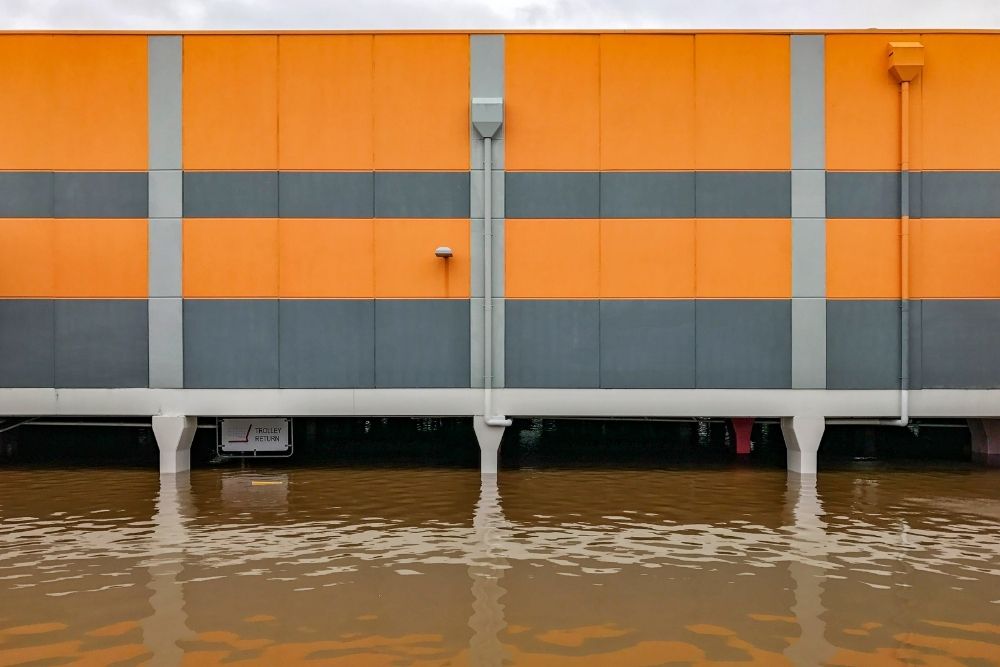
Flood damage, however, usually involves water entering the property from external sources. Heavy rainstorms, hurricanes, overflowing rivers, and rising groundwater fall into this category. Most homeowner insurance policies specifically exclude flood-related events.
Homeowners living in high-risk areas may need separate flood insurance through programs like the National Flood Insurance Program. Without proper flood coverage, repair costs can become overwhelming after severe weather events.
Steps to Take Immediately After Water Damage
Taking immediate action after discovering water damage can reduce property loss and improve the likelihood of a successful insurance claim. The first priority should always be safety. Shut off electricity in affected areas if water exposure creates electrical hazards.
Once the area is safe, stop the water source if possible. This may involve turning off the main water supply or temporarily sealing roof leaks. Quick action can significantly reduce structural damage and mold growth.
Documenting the damage is another critical step. Take clear photos and videos of affected rooms, flooring, walls, furniture, and personal belongings before cleanup begins. These records can strengthen your insurance claim by providing evidence of the extent of the damage.
Contact your insurance company promptly to report the incident and begin the claims process. Many insurers require immediate notification and may provide instructions regarding inspections and temporary repairs.
How the Insurance Claims Process Works
Filing a water damage insurance claim can feel overwhelming, especially during emergencies. Understanding the process can help homeowners stay organized and avoid delays. After reporting the incident, the insurance company typically assigns an adjuster to inspect the property.
The adjuster evaluates the source of the damage, determines coverage eligibility, and estimates repair costs. During this stage, documentation plays a major role. Photos, repair receipts, emergency mitigation invoices, and maintenance records can strengthen your case.
Insurance companies may also request proof that the homeowner acted quickly to prevent further damage. Delayed response can sometimes reduce claim payouts if additional deterioration occurs after the incident.
Once the investigation is complete, the insurer may approve repairs, partially approve them, or deny portions of the claim. Understanding your policy limits and deductible helps clarify what expenses you may still need to cover personally.
Why Professional Restoration Services Matter
Water damage can spread rapidly throughout a property. Within hours, moisture can seep into drywall, flooring, insulation, and furniture. Without proper drying, mold growth may begin within 24 to 48 hours.
Professional restoration companies use advanced equipment such as industrial dehumidifiers, moisture meters, and high-powered air movers to remove hidden moisture. These tools help prevent long-term structural deterioration and indoor air quality issues.
Certified technicians also understand industry standards for cleaning and sanitization. This becomes especially important in cases involving contaminated water from sewage backups or storm flooding. Proper disinfection protects occupants from bacteria and health hazards.
Another major benefit of professional restoration services is documentation. Restoration experts create detailed reports that insurance companies often require during the claims process.
Tips for Preventing Water Damage at Home
Preventive maintenance is one of the most effective ways to reduce the risk of costly water damage. Regular inspections of plumbing systems, appliances, and roofing materials can help identify problems before they escalate.
Homeowners should inspect washing machine hoses, water heater connections, and under-sink plumbing for leaks or corrosion. Replacing aging hoses and fixtures can significantly reduce the likelihood of unexpected failures.
Gutters and downspouts should also remain clean and functional. Proper drainage directs rainwater away from the home’s foundation and minimizes the risk of water intrusion during storms. Roof inspections can identify missing shingles or damaged flashing before leaks occur.
Installing water leak detection systems is another smart preventive measure. Modern leak sensors can send alerts to homeowners when abnormal moisture or water flow is detected. Some systems automatically shut off water supplies to prevent extensive flooding.
Routine maintenance not only protects your property but may also improve claim outcomes. Insurance companies often evaluate whether homeowners took reasonable steps to maintain their property when assessing damage claims.
Understanding Mold Risks After Water Damage
One of the most serious consequences of untreated water damage is mold growth. Mold thrives in damp environments and can spread rapidly through walls, ceilings, carpets, and HVAC systems if moisture remains unresolved.
Exposure to mold may contribute to respiratory irritation, allergies, headaches, and other health concerns. Individuals with asthma or weakened immune systems may be especially sensitive to mold contamination.
Insurance coverage for mold varies depending on the cause. Some policies may cover mold remediation if it results from a covered water event, such as a burst pipe. However, mold caused by long-term neglect may not qualify for reimbursement.
How to Choose the Right Restoration Company
Selecting the right restoration contractor can make a major difference in the outcome of your recovery process. Homeowners should look for companies with experience, certifications, and emergency response availability.
Certified technicians trained in water mitigation and structural drying understand proper restoration procedures and industry standards. Experience working with insurance claims can also simplify communication and paperwork during stressful situations.
Response time is another important factor. Water damage worsens quickly, so immediate mitigation helps reduce repair costs and prevents secondary issues like mold growth. A company offering 24/7 emergency service is often the best choice during urgent situations.
Conclusion
Understanding water damage insurance is essential for protecting your property and minimizing financial stress during emergencies. From knowing what your policy covers to documenting damage properly and working with restoration professionals, every step plays an important role in the recovery process. Acting quickly after water intrusion can prevent structural deterioration, mold growth, and costly repairs.
Professional restoration services help homeowners recover faster while supporting insurance claims with accurate documentation and expert mitigation techniques. Whether the damage comes from plumbing failures, storms, or appliance leaks, having the right knowledge and response plan makes a significant difference.
If you need professional assistance with water-related property damage, contact JGW Group Water Damage Restoration in Las Vegas. Their experienced team provides reliable emergency restoration services to help homeowners recover quickly and safely. Call 725-525-3122 today for immediate assistance with your restoration needs.