When a property experiences flooding, burst pipes, or leaks, immediate action is critical to prevent long-term damage. One of the most important steps in the recovery process is structural drying. This process removes excess moisture from walls, floors, ceilings, and other structural materials to restore the property safely and effectively. Professional Water Damage Restoration services use advanced drying equipment and proven techniques to eliminate hidden moisture before it causes mold growth, wood rot, or structural weakening.
Structural drying matters because water can penetrate deep into building materials within minutes. Even when surfaces appear dry, trapped moisture may remain inside walls or under flooring. Without proper drying, homeowners and businesses may face expensive repairs, unhealthy indoor conditions, and ongoing property deterioration. Understanding how structural drying works can help property owners respond quickly after water damage and protect their investments.
Understanding Structural Drying
Structural drying is the controlled process of removing moisture from a building after water intrusion. The goal is to restore affected materials to their normal moisture levels while preventing further damage. This process involves specialized equipment such as air movers, dehumidifiers, moisture meters, and thermal imaging tools.
Unlike simple cleanup methods, structural drying addresses moisture hidden beneath surfaces and inside structural materials. Water can seep into drywall, insulation, wood framing, and concrete, making complete drying essential. If moisture remains trapped, mold growth may begin within 24 to 48 hours.
Professional Water Damage Restoration technicians evaluate the extent of the moisture and create a drying plan tailored to the property. Every structure dries differently depending on the materials involved, the amount of water present, and the humidity levels in the environment. Proper structural drying helps ensure the building remains safe, stable, and healthy for occupants.
Why Structural Drying Is Important
Structural drying is essential because water damage can compromise the integrity of a property. Excess moisture weakens building materials and creates conditions that encourage mold growth and bacterial contamination. If left untreated, water damage can spread quickly throughout the structure.
Drying the structure properly helps preserve walls, flooring, cabinets, ceilings, and support beams. It also reduces the risk of odors, discoloration, warping, and deterioration. By removing moisture promptly, property owners can often avoid costly reconstruction and extensive repairs.
Another important reason for structural drying is maintaining indoor air quality. Damp environments can trigger respiratory issues and allergies due to mold spores and airborne contaminants.
Common Causes of Water Damage Requiring Structural Drying
Many situations can lead to the need for structural drying. Burst pipes are among the most common causes, especially during cold weather when pipes freeze and crack. Plumbing leaks can also release significant amounts of water into walls and flooring over time.
Flooding from heavy rainstorms is another major cause of water intrusion. Stormwater can enter through roofs, windows, foundations, or damaged drainage systems. Appliance failures, including broken washing machines, dishwashers, and water heaters, can also create serious water damage inside homes and businesses.
Sewage backups are particularly hazardous because contaminated water may carry harmful bacteria and pathogens. In these cases, structural drying must be combined with thorough cleaning and sanitization.
Roof leaks are another issue that often goes unnoticed until visible damage appears. Water may slowly seep into ceilings and insulation for weeks before signs become apparent.
The Structural Drying Process
The structural drying process begins with a detailed inspection of the property. Technicians assess the affected areas using moisture detection tools to determine how far the water has spread. This evaluation helps create an effective drying strategy.
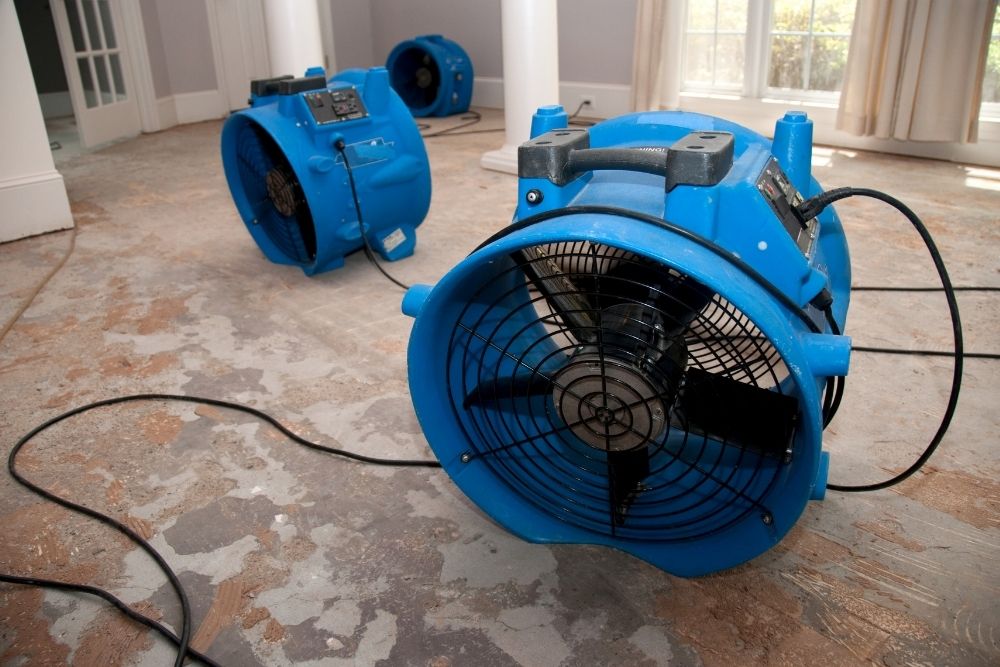
The next step is water extraction. Standing water must be removed quickly using industrial pumps and vacuums. Once excess water is eliminated, air movers and dehumidifiers are strategically placed throughout the property. Air movers increase airflow across wet surfaces, while dehumidifiers remove moisture from the air.
Monitoring is a critical part of structural drying. Technicians regularly measure moisture levels to track progress and adjust equipment placement when necessary. Some materials may require specialized drying techniques depending on their composition and moisture content.
Equipment Used in Structural Drying
Structural drying relies on advanced equipment designed to remove moisture efficiently. Air movers are one of the most commonly used tools. These high-powered fans create rapid airflow that accelerates evaporation from wet surfaces.
Dehumidifiers are equally important because they remove excess humidity from the air. Without dehumidification, moisture can linger and slow the drying process. Refrigerant and desiccant dehumidifiers are often used depending on environmental conditions and the extent of the damage.
Moisture meters help technicians measure the moisture content inside materials such as drywall and wood. Thermal imaging cameras can detect hidden moisture behind walls and ceilings without causing additional damage.
Specialized drying mats may also be used for hardwood floors and other delicate materials. These tools help extract moisture from beneath surfaces while reducing the risk of warping or cracking.
How Long Does Structural Drying Take?
The length of the structural drying process depends on several factors. The amount of water involved, the type of building materials affected, and the environmental conditions all influence drying time. In many cases, the process takes between three and five days, but severe damage may require more time.
Porous materials such as drywall, carpeting, and insulation absorb water quickly and often require extensive drying. Hardwood floors and concrete may also retain moisture longer than expected. Humidity levels and temperature can further impact how quickly moisture evaporates.
Professional technicians monitor moisture readings daily to determine when the structure has reached safe dryness levels. Drying equipment remains in place until all affected materials are thoroughly dried.
Attempting to speed up the process without proper monitoring can lead to hidden moisture remaining inside the structure. This increases the risk of mold growth and future structural problems. Reliable Water Damage Restoration professionals ensure the drying process is completed correctly rather than rushed.
Signs That a Property Needs Structural Drying
Some signs of water damage are immediately visible, while others may develop gradually. Standing water, damp carpets, and stained ceilings are obvious indicators that structural drying is necessary. However, hidden moisture may exist even when surfaces appear dry.
Warped flooring, peeling paint, bubbling drywall, and musty odors often signal trapped moisture inside the structure. Increased humidity levels indoors may also indicate water damage behind walls or under flooring.
Mold growth is another serious warning sign. Mold can spread rapidly in damp environments and may appear as dark spots on walls, ceilings, or baseboards. If water damage is suspected, professional inspection is essential to identify hidden moisture before the problem worsens.
Property owners should never assume a small leak is harmless. Even minor water intrusion can lead to major structural issues over time. Water Damage Restoration experts use specialized tools to detect moisture that cannot be seen with the naked eye.
Preventing Mold During Structural Drying
Mold prevention is one of the primary goals of structural drying. Mold thrives in moist environments and can begin growing within 24 to 48 hours after water exposure. Once mold spreads, remediation becomes more expensive and complex.
Proper airflow and humidity control are critical during the drying process. Dehumidifiers help maintain optimal indoor humidity levels while air movers promote evaporation. Technicians may also remove heavily saturated materials that cannot be salvaged.
Sanitization and antimicrobial treatments are often used to reduce microbial growth and odors. Monitoring moisture levels ensures that all hidden dampness is eliminated before mold can develop.
Homeowners should avoid delaying cleanup efforts after water damage occurs. Quick response times significantly reduce the likelihood of mold contamination. Professional Water Damage Restoration companies follow industry standards to create safe and effective drying conditions that protect both the structure and indoor air quality.
Benefits of Hiring Professional Structural Drying Services
Hiring professionals for structural drying offers several advantages over attempting DIY cleanup methods. Certified technicians have the knowledge, training, and equipment needed to address hidden moisture effectively. They understand how different materials respond to water exposure and apply the correct drying techniques.
Professional services also help prevent costly secondary damage. Incomplete drying can lead to mold growth, structural weakening, and recurring moisture issues. Experts monitor moisture levels carefully to ensure the property is fully restored.
Insurance documentation is another important benefit. Many Water Damage Restoration companies provide detailed reports and moisture readings that support insurance claims.
Conclusion
Structural drying is a critical part of restoring a property after water damage. By removing excess moisture from building materials, this process helps prevent mold growth, structural deterioration, and costly repairs. Proper drying requires specialized equipment, continuous monitoring, and professional expertise to ensure all hidden moisture is eliminated safely.
Whether the damage is caused by flooding, burst pipes, roof leaks, or appliance failures, immediate action can significantly reduce long-term issues. Professional Water Damage Restoration services provide the tools and experience needed to restore properties efficiently and safely.
If you need reliable restoration services in Las Vegas, contact JGW Group Water Damage Restoration today at 725-525-3122. Their experienced team is ready to help homeowners and businesses recover quickly from water damage and restore their properties with confidence.