Water damage can happen without warning, leaving homeowners and business owners overwhelmed by flooding, burst pipes, roof leaks, or appliance failures. Acting quickly is essential because standing water can cause structural damage, mold growth, and costly repairs within hours. A proper emergency response helps reduce damage, protects your property, and improves the chances of successful restoration.
When dealing with an unexpected flood or leak, having a clear emergency water removal checklist can make the process more manageable. Understanding the correct steps for Water Damage Restoration ensures that safety, cleanup, and drying procedures are handled properly from the beginning. Whether the damage is minor or severe, following an organized plan can help minimize long-term problems and speed up recovery. This guide explains the most important steps to take during an emergency water removal situation and why professional restoration services are often necessary.
Prioritize Safety Before Entering the Property
The first step during any water emergency is ensuring the property is safe to enter. Floodwater and standing water can create serious hazards, especially when electricity, gas lines, or weakened structures are involved. Before entering the affected area, check for visible dangers such as sagging ceilings, damaged flooring, or exposed electrical outlets.
If possible, shut off the main electrical supply to avoid electrocution risks. Never walk through standing water if electrical systems may still be active. In severe flooding situations, contacting emergency professionals is the safest option. Wearing protective gear such as gloves, boots, and masks can also help protect against contaminated water and harmful bacteria.
Safety precautions are often overlooked during stressful situations, but they are critical to preventing injuries. Once the area is confirmed safe, the water removal and cleanup process can begin more effectively.
Stop the Source of the Water
Before removing water, identify and stop the source of the problem. Water damage can continue worsening if leaks, broken pipes, or appliance malfunctions are left unresolved. In many situations, shutting off the main water valve immediately can prevent additional flooding and limit structural damage.
If the source comes from weather-related issues such as roof leaks or storm flooding, temporary solutions like tarping damaged areas may help reduce further water intrusion. Appliances such as washing machines, dishwashers, or water heaters should also be disconnected if they are leaking.
Document the Damage for Insurance Claims
One of the most important steps after water damage occurs is documenting everything thoroughly. Taking photos and videos of affected areas helps create a detailed record for insurance purposes. Capture images of damaged floors, walls, ceilings, furniture, electronics, and personal belongings before cleanup begins.
Keep a written inventory of damaged items and note any visible structural concerns. This documentation can support your insurance claim and make communication with adjusters easier. It is also helpful to save receipts for emergency repairs, hotel stays, or temporary accommodations related to the incident.
Proper documentation protects homeowners from disputes during the claims process. Insurance providers often require evidence of the extent of the damage before approving restoration coverage.
Remove Standing Water Immediately
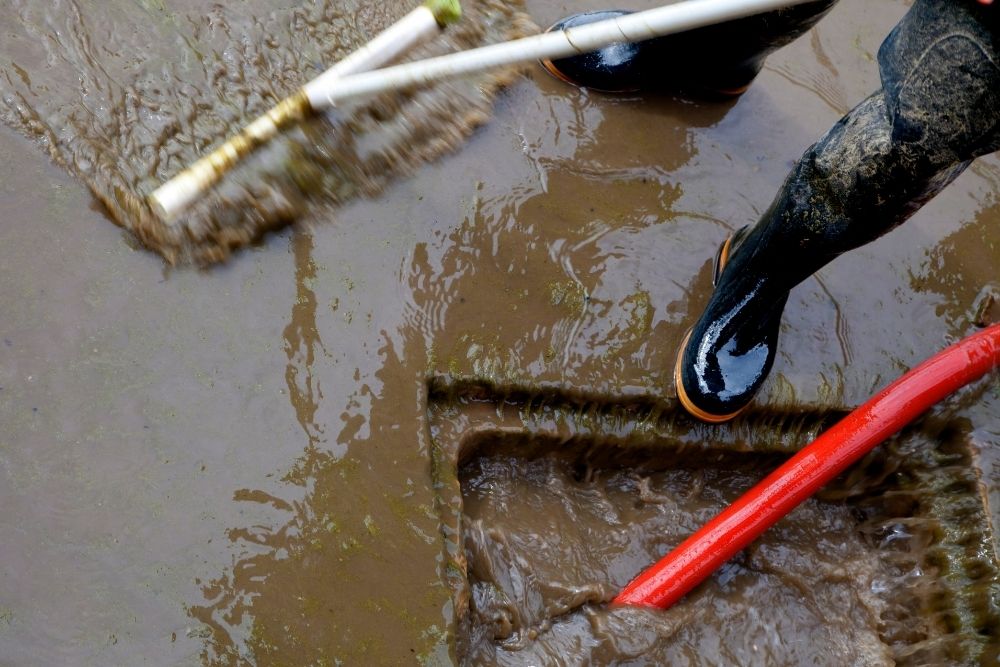
Removing standing water as quickly as possible is essential to limiting damage. Water can soak into porous materials within minutes, weakening structures and increasing the risk of mold growth. Depending on the severity of flooding, water removal may involve wet vacuums, pumps, or professional extraction equipment.
For minor incidents, homeowners may use towels, mops, or portable wet vacuums to remove water. However, larger flooding events often require industrial-grade extraction systems to completely remove moisture from carpets, flooring, and walls. Professional teams specializing in Water Damage Restoration use advanced equipment to speed up the process and reduce hidden moisture issues.
Fast water extraction also helps preserve salvageable belongings and minimizes long-term repair costs. Delayed removal can cause permanent damage to flooring materials, drywall, and furniture.
Begin the Drying and Dehumidification Process
After standing water is removed, drying the affected areas becomes the next priority. Moisture trapped inside walls, floors, and furniture can lead to mold growth and structural deterioration if not addressed quickly. Opening windows and increasing airflow with fans can help start the drying process.
Professional restoration companies often use industrial air movers and dehumidifiers to remove hidden moisture effectively. These tools help dry materials faster while preventing excess humidity from spreading throughout the property. Moisture meters may also be used to identify damp areas that are not visible to the eye.
Thorough drying is critical because even small amounts of trapped moisture can create long-term issues. Mold can begin growing within 24 to 48 hours, especially in warm environments.
Remove Damaged Materials Carefully
Some materials affected by water damage may need to be removed to prevent contamination and structural problems. Wet drywall, insulation, carpeting, and ceiling materials can absorb water quickly and become breeding grounds for bacteria and mold. Identifying unsalvageable materials early helps prevent further complications.
When removing damaged materials, wear protective equipment and dispose of contaminated items properly. Materials exposed to sewage or black water often require specialized disposal procedures due to health risks. Professional restoration teams understand how to safely handle hazardous materials while minimizing additional damage to the property.
Not every item can be saved after severe flooding, but quick action improves the chances of salvaging furniture, flooring, and personal belongings.
Sanitize and Disinfect the Affected Areas
Water damage cleanup involves more than simply removing water and drying surfaces. Proper sanitation is necessary to eliminate bacteria, odors, and contaminants that may remain behind. Floodwater can carry harmful microorganisms, especially when sewage backups or stormwater intrusion are involved.
Disinfecting affected surfaces with professional-grade cleaning solutions helps create a safer environment for occupants. Floors, walls, furniture, and high-touch areas should all be cleaned thoroughly. Air quality may also need to be addressed if mold spores or contaminants have spread through the property.
Check for Hidden Moisture and Mold Growth
Water damage often extends beyond what is visible on the surface. Hidden moisture behind walls, under flooring, and inside insulation can continue causing problems long after standing water is removed. Without proper inspection, mold growth may develop unnoticed over time.
Professional restoration specialists use moisture detection equipment and thermal imaging technology to locate hidden damp areas. Identifying these issues early allows for targeted drying and repairs before more extensive damage occurs. Mold inspections may also be necessary if the property experienced prolonged exposure to moisture.
Early detection is key to preventing expensive repairs and maintaining indoor air quality. Mold growth can damage property materials and create health concerns for occupants.
Protect Valuable Belongings During Cleanup
During emergency cleanup efforts, protecting valuable belongings should remain a priority. Electronics, important documents, family heirlooms, and sentimental items may be salvageable if handled quickly and carefully. Moving unaffected items away from wet areas can help reduce additional losses.
Documents and photographs should be dried carefully to avoid permanent damage. Electronics should never be powered on until inspected by professionals. Furniture may also require specialized drying and cleaning methods depending on the type of water exposure involved.
Quick action can make a significant difference when preserving personal belongings after flooding. Organizing salvageable items separately from damaged materials also helps streamline the restoration process and simplifies insurance documentation.
Understand When to Call Restoration Professionals
While minor leaks may be manageable with basic cleanup methods, major flooding often requires professional assistance. Restoration experts have the equipment, training, and experience necessary to handle severe water damage safely and effectively. They can identify hidden moisture, prevent mold growth, and restore structural integrity more efficiently than DIY methods.
Professional Water Damage Restoration services are especially important after sewage backups, storm flooding, or extensive structural damage. Restoration companies also help coordinate drying, sanitation, repairs, and insurance documentation throughout the recovery process.
Create an Emergency Preparedness Plan
Preparing for water emergencies before they happen can reduce panic and improve response times. Every homeowner should know where the main water shutoff valve is located and keep emergency contact numbers easily accessible. Creating a checklist in advance helps families respond more quickly during stressful situations.
Emergency kits should include flashlights, batteries, gloves, towels, and basic cleanup supplies. It is also wise to review insurance coverage regularly to understand what types of water damage are included in the policy. Businesses should have continuity plans in place to minimize operational disruptions after flooding events.
Conclusion
Responding quickly during a water emergency is essential to protecting your property and minimizing long-term damage. From ensuring safety and stopping the source of water to drying, sanitizing, and documenting the damage, every step plays a critical role in the recovery process. Fast action can help prevent mold growth, structural issues, and expensive repairs while improving the chances of restoring valuable belongings.
Professional assistance is often the best solution for severe flooding and hidden moisture problems. If you need expert help with emergency cleanup and Water Damage Restoration services, contact JGW Group Water Damage Restoration in Las Vegas. Their experienced team provides fast and reliable restoration solutions to help homeowners and businesses recover quickly. Call 725-525-3122 today for immediate assistance and professional restoration support.