Water damage can happen unexpectedly and cause serious problems for homeowners and businesses alike. From leaking pipes and roof damage to flooding and appliance failures, even a small issue can quickly turn into costly repairs. Understanding how to prevent these problems is essential for protecting your property, maintaining indoor air quality, and avoiding structural damage.
Many property owners overlook simple maintenance tasks that could save thousands of dollars in repairs. Preventive care is one of the most effective ways to avoid emergencies and extend the life of your home or commercial building. Whether you are dealing with seasonal storms, plumbing concerns, or aging infrastructure, taking proactive steps can make a major difference. This guide explains practical ways to prevent water-related issues and reduce the risk of needing professional Water Damage Restoration services in the future.
Inspect Your Plumbing System Regularly
One of the leading causes of residential water problems is plumbing failure. Pipes, fittings, and water supply lines naturally wear down over time. Small leaks often start unnoticed behind walls or under sinks until they create serious structural issues. Regular inspections can help identify warning signs early before major repairs become necessary.
Check exposed pipes for corrosion, moisture buildup, or unusual discoloration. Pay attention to water pressure changes because sudden drops can indicate hidden leaks. Homeowners should also inspect connections around toilets, sinks, dishwashers, and washing machines. Replacing worn hoses and outdated plumbing components can prevent expensive emergencies later.
Professional inspections are also valuable, especially for older homes. Licensed plumbers can detect hidden vulnerabilities that are difficult to spot during routine maintenance. Preventing leaks before they spread minimizes the likelihood of mold growth and reduces the need for extensive Water Damage Restoration services after an unexpected plumbing failure.
Maintain Your Roof and Gutters
Your roof is one of the most important barriers protecting your property from moisture intrusion. Damaged shingles, cracked flashing, or clogged gutters can allow rainwater to seep into ceilings, walls, and insulation. Regular roof maintenance is essential for preventing long-term structural issues.
Inspect your roof after storms and during seasonal transitions. Look for missing shingles, sagging areas, or debris accumulation. Gutters should remain clean and free-flowing to direct rainwater safely away from the building. Overflowing gutters often cause water to collect around the foundation, increasing the risk of basement flooding.
Downspouts should extend several feet away from the property to prevent pooling near the structure. Investing in routine maintenance can significantly reduce the risk of interior leaks.
Monitor Household Appliances
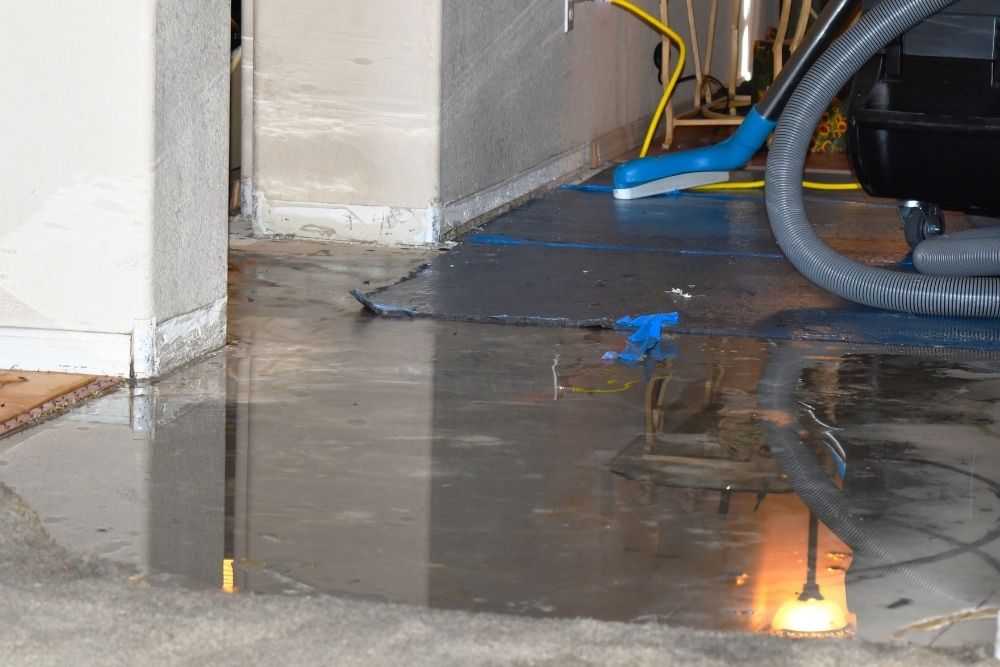
Appliances connected to water lines are common sources of leaks inside homes. Washing machines, refrigerators, dishwashers, and water heaters can develop hidden problems that worsen over time. A small hose crack or loose connection may seem minor initially, but it can quickly flood floors and walls.
Inspect appliance hoses regularly for bulging, cracking, or moisture. Stainless steel braided hoses are generally more durable than rubber alternatives and can reduce the risk of sudden failures. Water heaters should also be flushed annually to remove sediment buildup that may weaken the tank over time.
Homeowners should avoid ignoring unusual sounds, puddles, or rust around appliances. These warning signs often indicate underlying issues that require immediate attention. Taking preventative action protects your home from major disruptions and reduces the chances of requiring emergency restoration services.
Protect Your Basement from Flooding
Basements are especially vulnerable to water intrusion because they sit below ground level. Heavy rainfall, foundation cracks, or poor drainage systems can lead to flooding that damages flooring, drywall, and personal belongings. Preventing basement moisture problems requires consistent maintenance and proper waterproofing.
Inspect basement walls and floors for cracks or damp spots. Sealing these openings helps reduce seepage during storms. Installing a sump pump is another highly effective solution for preventing standing water accumulation. Homeowners should also test sump pumps regularly to ensure they function correctly during emergencies.
Improving exterior drainage is equally important. Landscaping should slope away from the home to prevent water pooling near the foundation. Combining waterproofing measures with regular inspections can greatly reduce flood risks and help preserve the integrity of your property.
Check for Hidden Leaks
Not all leaks are immediately visible. Hidden water damage behind walls, ceilings, or flooring can remain undetected for weeks or months. Over time, moisture buildup can weaken structural materials and create conditions for mold growth. Detecting these issues early is critical for preventing extensive damage.
Unexpected increases in water bills often indicate concealed leaks. Property owners should also watch for peeling paint, warped flooring, musty odors, or unexplained stains. These subtle warning signs may point to moisture problems developing inside the structure.
Smart leak detection devices are becoming increasingly popular because they provide real-time alerts when unusual water activity occurs. Early detection helps homeowners address issues before they escalate into major repairs.
Prevent Mold Growth with Proper Ventilation
Excess humidity creates the perfect environment for mold growth, especially in bathrooms, kitchens, laundry rooms, and basements. Mold can spread quickly after moisture exposure and may affect indoor air quality and overall health. Proper ventilation plays a key role in preventing these problems.
Use exhaust fans in high-moisture areas to improve airflow and reduce humidity levels. Opening windows when possible also helps circulate fresh air throughout the property. Dehumidifiers are particularly useful in damp spaces where moisture tends to accumulate.
Regular cleaning and prompt drying of wet surfaces are equally important. Even minor leaks should be addressed immediately to prevent mold from developing. Maintaining good ventilation reduces long-term moisture issues and minimizes the likelihood of needing extensive Water Damage Restoration and mold remediation services.
Prepare for Storms and Heavy Rainfall
Severe weather is a major contributor to residential and commercial water damage. Heavy rain, flash flooding, and strong winds can overwhelm drainage systems and expose structural weaknesses. Preparing your property before storms arrive can significantly reduce potential damage.
Secure outdoor furniture and remove debris that could clog gutters or drains. Inspect doors and windows for gaps that may allow water intrusion during heavy rainfall. Installing storm shutters and reinforcing vulnerable areas can also improve protection during extreme weather conditions.
Emergency preparedness is equally important. Homeowners should know where shut-off valves are located and keep emergency supplies readily available. Quick action during storms can prevent widespread destruction and limit the need for large-scale restoration work afterward.
Maintain Proper Drainage Around Your Property
Poor drainage can cause water to collect around your foundation, increasing the likelihood of leaks and structural instability. Exterior water management is one of the most overlooked aspects of property maintenance, yet it plays a critical role in preventing long-term damage.
Ensure that gutters and downspouts direct water away from the building. Landscaping should be graded properly so rainwater naturally flows away from the foundation instead of pooling nearby. French drains and drainage channels can also help redirect excess water during heavy rainfall.
Tree roots can sometimes interfere with underground drainage systems, leading to backups and flooding. Routine inspections and maintenance help ensure proper water flow around the property.
Install Water Detection and Shut-Off Systems
Technology offers advanced solutions for preventing serious water emergencies. Smart water detection systems can monitor plumbing activity and alert property owners to unusual leaks before major damage occurs. Some systems can even shut off the water supply automatically when problems are detected.
These devices are especially useful for vacation homes, rental properties, or buildings left unattended for extended periods. Early warnings allow homeowners to take immediate action before water spreads throughout the property. Installing smart technology adds an extra layer of protection against unexpected plumbing failures.
Automatic shut-off systems are becoming increasingly popular because they help reduce repair costs and minimize disruption.
Schedule Professional Maintenance Inspections
While homeowners can handle many preventative tasks independently, professional inspections remain essential for long-term property protection. Experts can identify hidden issues, assess structural vulnerabilities, and recommend solutions before serious problems develop.
Annual maintenance inspections should include plumbing evaluations, roof assessments, and drainage system checks. Professionals have specialized tools that can detect moisture behind walls or beneath flooring where hidden damage may exist. Early intervention often saves significant time and money compared to emergency repairs.
Conclusion
Preventing water damage requires consistent maintenance, early detection, and proactive planning. From inspecting plumbing systems and maintaining your roof to improving drainage and installing smart leak detection devices, small preventative steps can protect your property from major repairs. Addressing issues early helps reduce costs, prevent mold growth, and maintain the safety and value of your home or business.
If you experience unexpected flooding or moisture problems, professional help is essential to minimize damage quickly. JGW Group Water Damage Restoration proudly serves homeowners and businesses throughout Las Vegas with reliable restoration and cleanup services. For fast assistance or expert guidance, contact JGW Group Water Damage Restoration today at 725-525-3122.