When water enters a property unexpectedly, the damage can quickly become overwhelming. Many homeowners assume all water-related property issues are the same, but there are important differences between water damage and flood damage. Understanding these differences helps property owners make informed decisions about insurance coverage, cleanup procedures, and repair strategies. Professional Water Damage Restoration services are often necessary to protect the structure of a home and prevent long-term issues such as mold growth or weakened materials.
Water damage usually comes from internal sources like burst pipes or leaking appliances, while flood damage is caused by rising water from external events such as storms or overflowing rivers. Knowing how each type of damage is classified can affect insurance claims, restoration timelines, and recovery costs. This guide explains the key distinctions between water damage and flood damage and why fast action matters for protecting your property.
What Is Water Damage?
Water damage refers to destruction caused by water originating from inside a property or from specific accidental events. Common causes include leaking roofs, burst pipes, overflowing sinks, damaged water heaters, and appliance malfunctions. In many cases, water damage develops suddenly, although slow leaks can also create long-term structural issues if left untreated.
One of the biggest concerns with water damage is how quickly it spreads. Water can seep into flooring, drywall, insulation, and furniture within minutes. If moisture remains trapped, it creates the perfect environment for mold and mildew growth. This is why immediate cleanup and drying are essential for minimizing repair costs.
Professional restoration companies use specialized drying equipment, moisture meters, and dehumidifiers to remove excess water and restore affected materials. Fast response times often determine whether materials can be saved or require complete replacement.
Insurance companies typically classify water damage differently depending on the source. Sudden and accidental incidents are often covered under homeowners insurance, while maintenance-related problems may not be included. Understanding the origin of the damage is important when filing a claim and arranging repairs.
What Is Flood Damage?
Flood damage occurs when water enters a property from external natural sources. Heavy rainfall, overflowing rivers, hurricanes, storm surges, and flash floods are among the most common causes. Unlike standard water damage, floodwater usually affects multiple homes or entire neighborhoods at once.
Floodwater is considered especially dangerous because it often contains contaminants such as sewage, chemicals, bacteria, and debris. This makes cleanup more complex and hazardous. Properties affected by flooding typically require extensive sanitation and disinfection procedures before restoration work can begin safely.
Another challenge with flood damage is the scale of destruction it causes. Floodwaters can weaken foundations, ruin electrical systems, destroy flooring, and damage large portions of a structure. In severe cases, entire sections of a home may need rebuilding.
Many homeowners are surprised to learn that standard homeowners insurance usually does not cover flood damage. Separate flood insurance policies are often required for protection against natural flooding events. Reviewing insurance coverage before disaster strikes is essential for avoiding financial surprises during recovery.
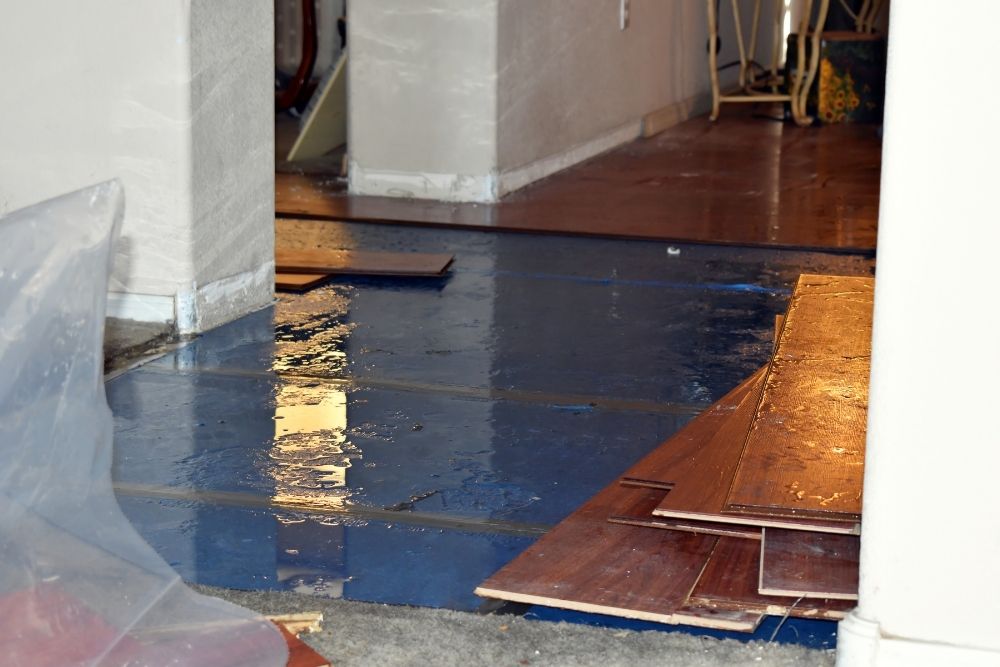
The Main Differences Between Water Damage and Flood Damage
Although both situations involve water intrusion, the key difference lies in the source of the water. Water damage typically comes from internal or accidental household issues, while flood damage originates from natural events outside the property.
Another major difference involves contamination levels. Clean water from a broken supply line presents fewer health risks than floodwater mixed with sewage or chemicals. Because of this, flood restoration often requires more intensive cleaning, sanitizing, and disposal procedures.
Insurance coverage is another important distinction. Most homeowners insurance policies may cover sudden indoor water incidents, but flood-related losses usually require separate policies. This difference can significantly impact out-of-pocket expenses after a disaster.
The restoration process also varies between the two. Water damage restoration may focus mainly on drying and repairs, while flood recovery often includes structural assessments, contamination removal, and major reconstruction work. The severity and scope of repairs are typically greater after flooding events.
Understanding these differences helps homeowners respond correctly, contact the right professionals, and take steps that protect both their property and financial interests.
Common Causes of Water Damage in Homes
Many household systems rely on water daily, which creates multiple opportunities for leaks and failures. Plumbing issues are among the leading causes of residential water damage. Burst pipes, corroded fittings, and hidden leaks behind walls can release large amounts of water unexpectedly.
Appliances are another common source of damage. Washing machines, refrigerators, dishwashers, and water heaters can malfunction or develop hose failures over time. Even small appliance leaks can create extensive damage if they go unnoticed for several hours or days.
Roof leaks are also a major contributor. Damaged shingles, clogged gutters, or poor drainage can allow water to enter attics and ceilings during heavy rain. Over time, this can weaken drywall, insulation, and wood framing.
HVAC systems may also contribute to water damage. Condensation buildup and clogged drain lines can create hidden moisture problems that eventually affect surrounding materials.
Routine maintenance is one of the best ways to prevent household water damage. Inspecting plumbing systems, replacing worn appliance hoses, and repairing roof issues early can reduce the likelihood of major restoration needs later.
Common Causes of Flood Damage
Flood damage is usually connected to severe weather and environmental conditions. Heavy storms are one of the most frequent causes, especially in areas with poor drainage systems or low-lying terrain. Intense rainfall can quickly overwhelm streets, storm drains, and nearby waterways.
Hurricanes and tropical storms can also trigger devastating flooding. Storm surges push massive amounts of water inland, damaging homes, businesses, and infrastructure. Coastal communities are particularly vulnerable during hurricane season.
Flash floods occur rapidly and often without much warning. These floods can happen after sudden downpours, especially in urban areas where pavement prevents water absorption. Mountainous regions may also experience flash flooding due to rapid runoff.
Snowmelt and overflowing rivers can create seasonal flood risks as well. When rivers exceed their banks, nearby neighborhoods may experience widespread property damage.
Climate patterns and urban development have increased flooding risks in many regions. As communities grow and drainage systems become strained, flood preparedness becomes increasingly important for homeowners and businesses alike.
Health Risks Associated With Water and Flood Damage
Both water damage and flood damage can create serious health hazards if cleanup is delayed. Moisture trapped inside walls, carpets, and ceilings promotes mold growth, which can trigger allergies, respiratory problems, and unpleasant odors.
Floodwater presents even greater health concerns because it often contains harmful contaminants. Sewage, bacteria, chemicals, and debris may enter homes during flooding events, increasing the risk of infections and illness. Direct contact with contaminated water should always be avoided.
Electrical hazards are another major concern. Water exposure can damage wiring, outlets, and appliances, creating fire risks or potential electrocution dangers. Professional inspections are often necessary before restoring power to affected areas.
Structural damage also threatens safety. Water-weakened floors, ceilings, and foundations may collapse if not properly assessed. This is especially common after severe flooding or prolonged moisture exposure.
Professional cleanup teams use protective equipment and advanced drying methods to reduce health risks during restoration. Fast response and thorough sanitation help restore a safe living environment while preventing additional damage from developing over time.
Why Immediate Restoration Matters
Time plays a critical role after any water-related disaster. The longer water remains inside a property, the greater the damage becomes. Within hours, moisture begins penetrating porous materials like drywall, wood, and insulation.
Quick action helps reduce structural deterioration and limits mold growth. Mold can begin developing within 24 to 48 hours in damp conditions, leading to costly remediation efforts later. Immediate drying and moisture removal significantly reduce this risk.
Fast restoration also increases the chances of saving personal belongings and building materials. Furniture, flooring, and electronics may be recoverable if addressed quickly. Delayed cleanup often results in irreversible damage and higher replacement costs.
Professional restoration companies use industrial-grade equipment designed to remove moisture efficiently. Advanced drying systems, air movers, and dehumidifiers help restore properties faster than household fans or DIY methods.
Reliable Water Damage Restoration services can also assist with documentation for insurance claims, helping homeowners navigate the recovery process more smoothly and efficiently.
Conclusion
Understanding the difference between water damage and flood damage is essential for protecting your property and making informed insurance and restoration decisions. Water damage often results from indoor plumbing or appliance failures, while flood damage is caused by external natural events. Each situation requires different cleanup methods, safety precautions, and insurance considerations.
Fast response times can prevent additional structural issues, mold growth, and expensive repairs. Whether dealing with a leaking pipe or severe storm flooding, professional restoration services play a critical role in restoring safety and minimizing long-term damage.
If you need dependable help after water-related property damage, contact JGW Group Water Damage Restoration in Las Vegas. Their experienced team provides professional restoration solutions designed to protect homes and businesses. Call 725-525-3122 today for expert assistance and rapid response services.