Water damage can happen without warning, leaving homeowners and business owners dealing with costly repairs, damaged belongings, and potential health risks. The cost of Water Damage Restoration depends on several factors, including the severity of the damage, the source of the water, and how quickly restoration begins. Acting fast is important because untreated water damage can lead to mold growth, structural issues, and expensive long-term repairs.
Understanding restoration costs helps property owners prepare for emergencies and make informed decisions when hiring professionals. Whether the damage comes from burst pipes, roof leaks, flooding, or appliance failures, restoration services are essential for protecting your property and restoring a safe environment. This guide explains the key factors that influence pricing, what services are included, and how professional restoration companies help minimize damage and recovery expenses.
What Is Water Damage Restoration?
Water damage restoration is the process of removing excess water, drying affected areas, cleaning damaged surfaces, and restoring a property to its original condition. This service is necessary after flooding, plumbing leaks, storm damage, or sewage backups. Restoration professionals use specialized equipment to detect hidden moisture and prevent additional structural problems.
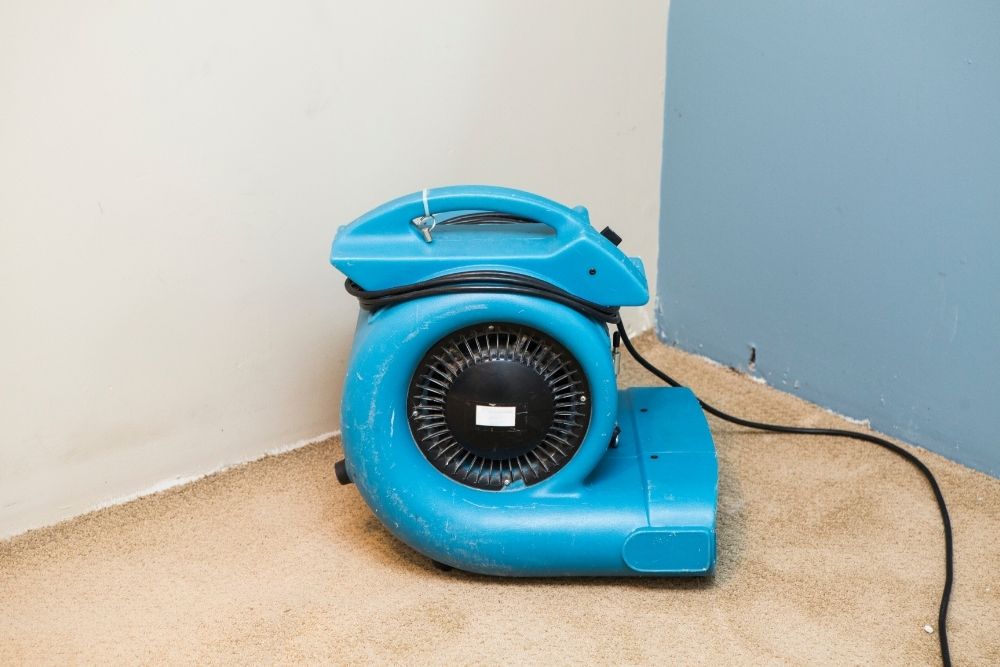
The restoration process usually begins with an inspection and damage assessment. Technicians identify the water source, classify the contamination level, and determine the extent of the damage. Once the water is removed, industrial drying equipment and dehumidifiers are used to eliminate moisture trapped in walls, flooring, and furniture.
The cost of Water Damage Restoration varies depending on the size of the affected area and the severity of the damage. Minor water issues may only require drying and cleanup, while severe flooding often involves replacing drywall, flooring, and insulation. Hiring experienced professionals ensures the property is restored safely and efficiently while reducing the risk of mold growth and future repairs.
Factors That Affect Restoration Costs
Several factors influence how much restoration services will cost. One of the biggest factors is the category of water involved. Clean water from broken pipes is less expensive to clean than contaminated sewage or floodwater, which requires extensive sanitation and safety measures.
The amount of standing water and the size of the affected area also impact pricing. A small leak in one room is far less expensive to restore than widespread flooding throughout an entire property. Materials such as hardwood flooring, carpeting, insulation, and drywall may need replacement depending on how long they were exposed to moisture.
Another major factor is response time. The longer water sits inside a property, the more damage it causes. Delayed restoration can lead to mold growth, weakened structural components, and higher repair expenses. Emergency restoration services may also increase costs due to after-hours labor and rapid response requirements. Understanding these variables helps homeowners better estimate restoration expenses and prioritize immediate action.
Average Cost of Water Damage Restoration
The average cost of restoration services depends on the severity of the damage and the repairs required. Minor water damage cleanup may cost a few hundred dollars, while severe flooding restoration can reach several thousand dollars. Costs usually include water extraction, drying, dehumidification, sanitation, and repairs.
For smaller residential issues, restoration companies may only need to remove water and dry the affected space. However, larger disasters often involve replacing flooring, drywall, cabinets, and insulation. Structural repairs and mold remediation can significantly increase the total cost of Water Damage Restoration.
Insurance coverage also affects out-of-pocket expenses. Some homeowner policies cover sudden water damage from plumbing failures or storms, while gradual leaks may not be included. Property owners should review their insurance policy carefully and work with restoration professionals who can document damages for claims. Knowing the average price range helps homeowners plan financially and avoid unexpected surprises during the restoration process.
Emergency Water Extraction Costs
Emergency water extraction is often the first and most urgent step after flooding or major leaks. Standing water can quickly spread throughout a property, damaging walls, floors, furniture, and electrical systems. Fast extraction helps reduce long-term damage and lowers restoration expenses.
The cost of emergency extraction depends on the amount of water present and the equipment needed. Restoration teams use industrial pumps, vacuums, and moisture detection tools to remove water efficiently. Larger flooding events require additional labor and drying equipment, which increases overall pricing.
Emergency response services are available 24/7 because water damage worsens with every passing hour. While emergency calls may cost more than scheduled services, immediate action can prevent extensive structural damage and mold growth. Professional restoration companies prioritize rapid response to minimize losses and begin the drying process as quickly as possible.
Mold Remediation and Additional Expenses
Mold growth is a common consequence of untreated water damage. Moisture trapped inside walls, ceilings, and flooring creates the perfect environment for mold to develop within 24 to 48 hours. Once mold spreads, restoration becomes more complicated and expensive.
Mold remediation involves identifying affected areas, containing the contamination, removing damaged materials, and sanitizing the space. Specialized equipment such as air scrubbers and antimicrobial treatments may be required to ensure safe cleanup. These services can add significantly to the cost of Water Damage Restoration.
In addition to mold remediation, homeowners may face extra expenses for odor removal, structural repairs, and replacing personal belongings. Hidden moisture can also damage electrical systems and weaken wood framing, leading to additional repair costs. Addressing water damage immediately helps prevent these secondary issues and reduces overall restoration expenses.
Insurance Coverage for Water Damage
Insurance coverage can play a major role in reducing restoration costs. Most homeowner insurance policies cover sudden and accidental water damage, such as burst pipes or appliance failures. However, coverage varies depending on the source of the water and the policy details.
Flood damage from natural disasters is typically not included in standard homeowner insurance policies. Property owners in flood-prone areas may need separate flood insurance coverage. Gradual damage caused by neglected maintenance or long-term leaks may also be denied by insurance providers.
Restoration companies often assist homeowners during the claims process by documenting damages and providing detailed reports. Photos, moisture readings, and repair estimates help support insurance claims. Understanding your policy and acting quickly after water damage can improve the chances of receiving coverage for restoration services.
Residential vs. Commercial Restoration Costs
Residential and commercial restoration projects differ significantly in scale and complexity. Homes generally involve smaller affected areas, making restoration faster and less expensive. Commercial properties, however, often require larger crews, specialized equipment, and extended drying times.
Commercial buildings may contain valuable equipment, inventory, and important business documents that require additional protection during restoration. Large office spaces, warehouses, and retail stores also have more complex HVAC and electrical systems that can be damaged by water intrusion.
The cost of Water Damage Restoration for commercial properties is typically higher because of the increased labor and equipment involved. Business interruption costs may also add financial pressure for property owners.
How to Reduce Water Damage Restoration Costs
Preventive maintenance is one of the best ways to reduce restoration expenses. Regularly inspecting plumbing systems, roofs, and appliances can help identify leaks before they become major problems. Cleaning gutters and maintaining proper drainage also helps prevent water intrusion during storms.
When water damage occurs, acting immediately is essential. Shutting off the water source and contacting restoration professionals quickly can minimize structural damage and reduce repair costs. Delayed action allows moisture to spread deeper into walls and flooring, increasing restoration complexity.
Homeowners should also review their insurance coverage regularly to ensure adequate protection. Investing in water leak detection devices and sump pumps can further reduce the risk of major flooding.
Choosing the Right Restoration Company
Selecting an experienced restoration company is critical for ensuring quality results. Property owners should look for licensed and insured professionals with experience handling different types of water damage. A reputable company will provide a detailed assessment, transparent pricing, and a clear restoration plan.
Professional restoration companies use advanced drying equipment, moisture detection tools, and industry-approved cleanup methods. They also follow safety standards to prevent mold growth and protect indoor air quality. Reading customer reviews and verifying certifications can help homeowners choose a trusted provider.
Fast response times are another important factor when selecting a restoration company. Water damage spreads quickly, so immediate service can make a major difference in reducing repair costs.
Conclusion
The cost of Water Damage Restoration depends on several factors, including the extent of the damage, the type of water involved, and how quickly cleanup begins. Prompt restoration helps prevent mold growth, structural issues, and expensive long-term repairs. From emergency water extraction to full property restoration, professional services play a critical role in protecting homes and businesses after water-related disasters.
If you need professional restoration services in Las Vegas, contact JGW Group Water Damage Restoration at 725-525-3122. Their experienced team provides fast, reliable solutions to restore your property and minimize damage. Acting quickly after water damage can save time, reduce costs, and help protect your property from further complications.