
After a fire, the flames may be extinguished, but the damage often continues through soot contamination. Understanding how soot affects surfaces, air quality, and structural materials is an important part of effective fire damage restoration. Soot consists of tiny carbon particles created when materials burn incompletely, and these particles spread quickly through a property.
Even a minor fire can leave behind serious soot damage on walls, furniture, electronics, and HVAC systems. If not cleaned properly, soot may cause staining, corrosion, unpleasant odors, and indoor air quality issues. Property owners in Las Vegas often underestimate how quickly soot damage can become severe. Learning how soot affects different parts of a building helps homeowners respond quickly, reduce repair costs, and protect their property after a fire.
What Is Soot and Why Is It Harmful?
Soot is a dark residue produced when wood, plastic, fabric, oil, or other materials burn incompletely. These microscopic particles travel through the air during a fire and settle on nearly every exposed surface. Because soot contains acidic compounds, it can begin damaging materials within hours after exposure.
One major challenge during fire damage restoration is how rapidly soot spreads throughout a property. Smoke travels through ventilation systems, open doors, and hallways, allowing soot to contaminate rooms far away from the fire source. A small kitchen fire, for example, can affect bedrooms, furniture, and stored belongings across the entire home.
Soot is especially harmful because it penetrates porous materials. Carpets, upholstery, drywall, and insulation absorb soot particles deeply, making cleanup difficult without professional equipment. In addition to visible staining, soot also affects indoor air quality by releasing airborne contaminants into the environment.
Different fires produce different types of soot. Dry soot is powdery and easier to clean, while oily soot from protein or grease fires sticks heavily to surfaces and creates stronger odors.
How Soot Damages Walls and Ceilings
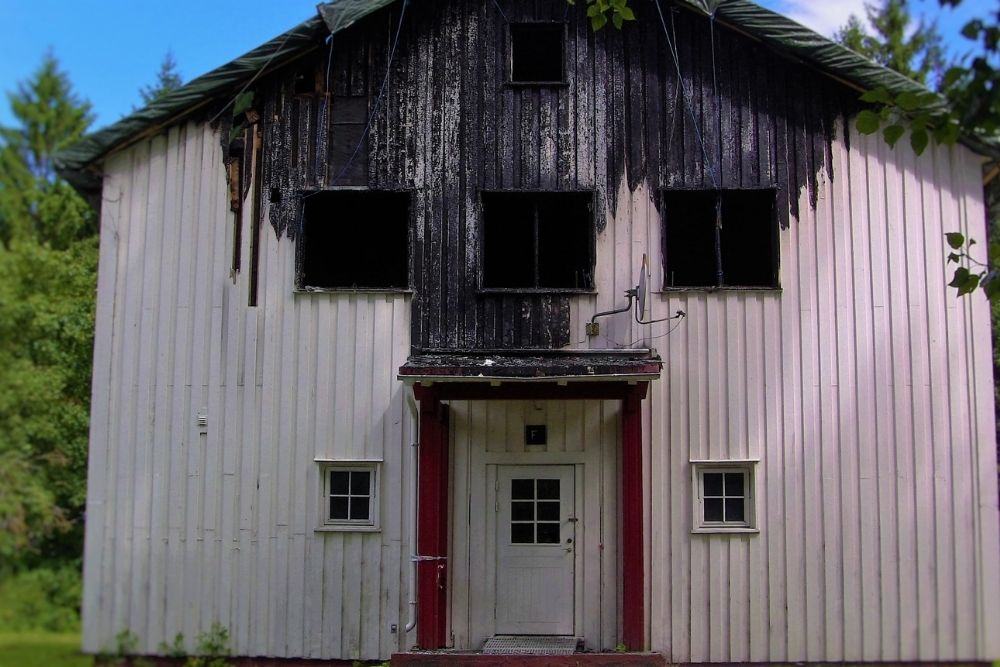
Walls and ceilings are among the first areas affected after a fire because smoke naturally rises and spreads throughout the structure. Soot quickly attaches itself to painted surfaces, drywall, wood, and ceiling textures, creating dark stains and discoloration.
The acidic nature of soot makes cleanup difficult. If homeowners attempt to scrub the residue with water or regular cleaning products, the soot may smear deeper into the surface instead of lifting away. Improper cleaning can also damage paint finishes and spread contamination to surrounding areas.
During professional fire damage restoration, technicians use specialized dry-cleaning methods and soot removal products to clean surfaces safely. In some situations, walls and ceilings require sealing and repainting to fully restore their appearance.
Textured ceilings are especially vulnerable because soot particles settle deeply into the rough surface. Popcorn ceilings and acoustic tiles often absorb smoke residue, making complete restoration more challenging. Over time, untreated soot can weaken finishes and create long-term staining that becomes difficult to remove.
The Effect of Soot on Furniture and Fabrics
Furniture and fabric materials absorb soot rapidly after a fire. Sofas, mattresses, rugs, curtains, and upholstered chairs trap smoke particles deep within their fibers, even if the fire occurred in another room.
One of the most common problems is lingering smoke odor. Soot particles contain strong smells that become embedded in soft materials over time. Standard household cleaners rarely remove these odors completely because the contamination extends beneath the surface.
Soot also stains fabrics and leather. Light-colored furniture is especially vulnerable because dark residue leaves visible marks and discoloration. Leather surfaces may dry out, crack, or deteriorate after exposure to acidic soot particles.
Professional restoration companies use advanced cleaning equipment and deodorization treatments to restore salvageable furniture. Steam cleaning, extraction methods, ozone treatment, and thermal fogging are often used to remove smoke residue and neutralize odors.
If cleanup is delayed, soot may become permanently embedded in the material. Moisture from firefighting efforts can also combine with soot to create thick residue that becomes even harder to remove.
How Soot Affects Electronics and Appliances
Electronics are extremely sensitive to soot contamination because soot particles contain corrosive chemicals and can conduct electricity. Televisions, computers, kitchen appliances, and HVAC systems may suffer internal damage even when they appear unaffected externally.
Soot often enters electronic devices through cooling vents and settles on circuit boards and wiring components. Over time, the acidic particles corrode delicate internal parts and lead to malfunctions or permanent failure.
Appliances such as refrigerators, microwaves, washing machines, and air conditioning units can also retain smoke contamination inside the equipment. If not cleaned properly, these systems may continue spreading soot particles and odors throughout the property.
During fire damage restoration, technicians inspect electronics carefully before determining whether restoration is possible. Specialized cleaning procedures remove soot safely without causing additional damage to sensitive components.
Homeowners should avoid turning on smoke-damaged electronics immediately after a fire. Doing so may create short circuits, electrical hazards, or further internal damage.
The Impact of Soot on Indoor Air Quality
Soot does not remain only on visible surfaces. Many particles stay suspended in the air long after the fire is extinguished, creating serious indoor air quality concerns for occupants.
Fine soot particles can be inhaled deeply into the lungs, potentially causing coughing, throat irritation, breathing discomfort, and allergic reactions. Young children, older adults, and individuals with respiratory conditions are especially vulnerable to smoke contamination.
HVAC systems often worsen the problem because they circulate soot through air ducts and vents. Once smoke residue enters the ventilation system, contaminants may continue spreading throughout the property every time the system operates.
Professional restoration teams use HEPA filtration systems, air scrubbers, and duct cleaning equipment to remove airborne soot particles. Proper ventilation and deodorization are also important steps during the restoration process.
Why Soot Leaves Lingering Smoke Odors
Smoke odors are one of the most frustrating effects of soot damage because the smell can remain long after visible stains disappear. Soot particles penetrate deeply into drywall, insulation, wood, carpet, and furniture, trapping odors inside the property.
The smell persists because soot continues releasing microscopic odor particles into the air. Even if surfaces appear clean, hidden contamination inside walls, ceilings, or HVAC systems may continue producing smoke odors for months.
Different types of fires create different odor levels. Fires involving plastics, rubber, and synthetic materials often produce stronger and more persistent smells than natural wood fires. Cooking fires can also leave behind oily protein residue that spreads throughout the home.
Professional deodorization methods are often required to remove smoke odors completely. Restoration companies may use ozone treatments, thermal fogging, hydroxyl generators, and specialized cleaning solutions to neutralize odors at the source.
Structural Damage Caused by Soot
Soot can contribute to serious structural damage when it remains untreated after a fire. The acidic particles slowly break down building materials such as wood, drywall, metal, and concrete surfaces.
Metal fixtures are particularly vulnerable to corrosion. Plumbing fixtures, appliances, door hardware, and wiring components may rust or discolor quickly after exposure to soot residue. Moisture from firefighting efforts can speed up this deterioration.
Wood materials also absorb smoke contamination deeply. Cabinets, flooring, framing, and trim may discolor, weaken, or retain persistent odors over time. In severe situations, restoration may no longer be possible, requiring full replacement of damaged materials.
Drywall is another common problem area because soot penetrates porous surfaces easily. Once smoke residue enters drywall, stains and odors may become permanent without sealing or replacement.
Why Professional Soot Cleanup Is Important
Soot cleanup is more complex than ordinary household cleaning. Improper methods can spread contamination, worsen staining, and permanently damage surfaces. Many cleaning products react poorly with soot residue and may make restoration more difficult.
Professional restoration technicians understand how different soot types affect different materials. They use specialized equipment, HEPA vacuums, industrial air scrubbers, and restoration-grade cleaning products to remove contamination safely and effectively.
Another reason professional service is important is hidden soot damage. Smoke particles often settle inside insulation, wall cavities, attics, and ventilation systems where homeowners cannot easily detect them. Without proper inspection and cleaning, these hidden contaminants may continue causing odor and air quality problems.
Safety is also a major concern after a fire. Structural instability, contaminated air, and electrical hazards may still exist inside the property. Professional restoration teams follow proper safety procedures during the cleanup process.
Conclusion
Soot damage can affect nearly every area of a property after a fire, including walls, furniture, electronics, air quality, and structural materials. Because soot particles are acidic and invasive, the damage becomes more severe the longer cleanup is delayed. Proper fire damage restoration helps remove contamination, eliminate odors, and prevent long-term property deterioration.
Professional restoration services are essential for restoring cleanliness, safety, and comfort after fire damage occurs. From soot removal and deodorization to air quality improvement and structural cleanup, experienced technicians can help protect your property from further damage. If your home or business has experienced fire or smoke damage, contact JGW Group Water Damage Restoration in Las Vegas, NV at 725-525-3122 for professional restoration services and immediate assistance.