
Water damage can happen at any time, whether from flooding, burst pipes, roof leaks, or appliance failures. While removing standing water is important, preventing mold growth afterward is equally critical. Mold can begin growing within 24 to 48 hours after water exposure, especially in damp and poorly ventilated areas. Proper mold remediation helps protect your home from structural damage, unpleasant odors, and indoor air quality problems caused by mold spores.
Knowing how to prevent mold after water damage can save homeowners from expensive repairs and health concerns. Fast drying, moisture control, and proper cleanup all play major roles in preventing mold from spreading. Even small amounts of hidden moisture behind walls or under flooring can create ideal conditions for growth. This guide explains the most effective steps homeowners can take to prevent mold after water damage and maintain a cleaner, safer living environment.
Act Quickly to Remove Water
The first step in preventing mold is responding immediately after water damage occurs. Mold spores naturally exist in the air, and once moisture is present, they can begin growing rapidly on walls, carpets, wood, and furniture. The longer water remains inside the property, the higher the risk of mold contamination.
Start by stopping the source of the water if possible. Shut off broken pipes, repair leaks, or prevent additional flooding from entering the home. Once the source is controlled, remove standing water using wet vacuums, pumps, towels, or mops. Fast water extraction is essential because moisture can quickly soak into porous materials.
Drying should begin immediately after water removal. Open windows and doors to increase airflow throughout the affected area. Use fans and dehumidifiers to speed up evaporation and reduce humidity levels. Basements and enclosed rooms often require extra attention because moisture tends to linger in these spaces longer.
Quick action significantly reduces the likelihood of severe mold growth. Professional restoration companies often respond within hours because delays can increase both repair costs and contamination levels. Fast cleanup is one of the most important ways to reduce the need for extensive mold remediation later.
Dry All Affected Areas Thoroughly
Completely drying the property is one of the most important parts of mold prevention. Surfaces may appear dry on the outside while hidden moisture remains trapped underneath flooring, behind walls, or inside insulation. Even small amounts of moisture can encourage mold growth if not addressed properly.
Use high-powered fans and dehumidifiers to remove excess moisture from the air and surrounding materials. Air circulation is essential because stagnant air slows the drying process and allows humidity to build up indoors. Industrial drying equipment is often more effective after major flooding or widespread water damage.
Carpets, padding, drywall, and wood flooring absorb water quickly and may take several days to dry fully. In some situations, damaged materials may need to be removed to prevent mold from forming inside hidden spaces. Moisture meters are commonly used by professionals to determine whether materials are completely dry before repairs begin.
Humidity levels should ideally remain below 50 percent to discourage mold growth. Running air conditioners and dehumidifiers can help maintain safe indoor humidity levels during and after cleanup. Proper drying protects the structure of the home and helps prevent recurring moisture problems that often lead to hidden mold growth.
Remove Damaged and Porous Materials
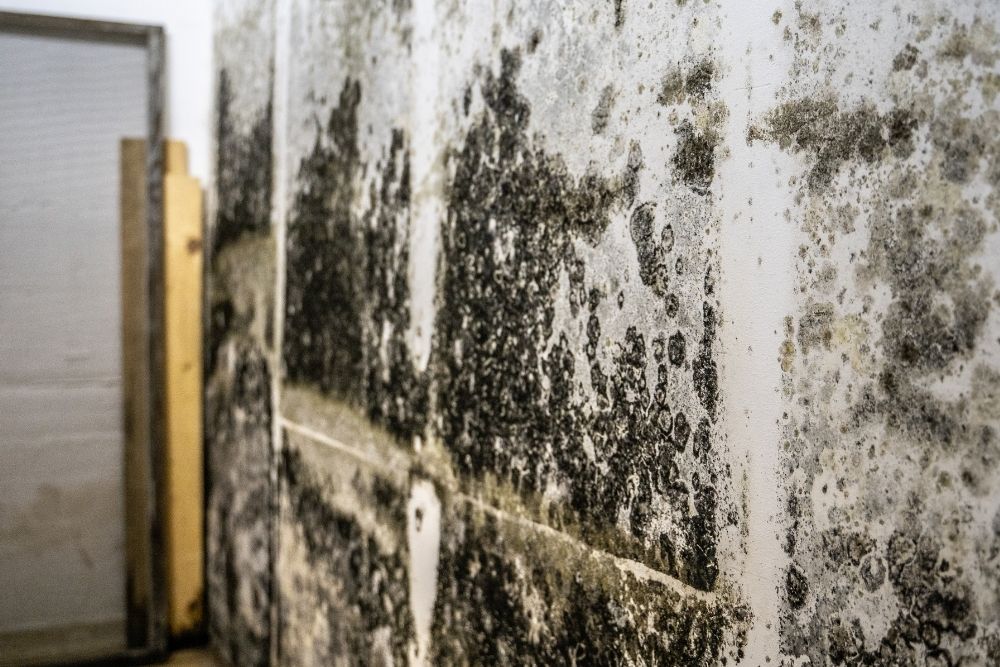
Some materials cannot be restored once they absorb excessive moisture. Porous materials such as drywall, insulation, ceiling tiles, and carpet padding often trap water deeply, creating ideal conditions for mold development. If these materials remain wet for too long, mold can begin spreading inside them quickly.
Wet drywall may look normal on the surface while mold grows inside the wall cavity. Insulation can also retain moisture and lose its effectiveness after water exposure. Carpet padding is especially difficult to dry completely, which is why it often needs replacement after flooding incidents.
Removing damaged materials helps eliminate moisture sources and reduces the risk of hidden contamination. Materials that cannot be cleaned or dried properly should be disposed of safely to prevent mold spores from spreading throughout the property. Sealing debris in plastic bags during removal can help limit airborne particles.
Hard surfaces like metal, tile, and concrete are generally easier to clean and disinfect because they do not absorb water as deeply. Salvaging materials when possible may reduce costs, but severely damaged items should not remain inside the home. Proper removal and disposal are important parts of preventing future mold problems after water damage.
Improve Ventilation and Airflow
Good ventilation plays a major role in controlling moisture levels inside the home. Poor airflow allows damp air to remain trapped indoors, increasing the likelihood of mold growth after water damage. Improving ventilation helps speed up drying and keeps indoor humidity levels lower.
Open windows and doors whenever weather conditions allow. Use ceiling fans, box fans, and exhaust fans to circulate air throughout affected areas. Bathrooms, kitchens, laundry rooms, and basements often require additional ventilation because these spaces naturally collect more moisture.
Basements and crawl spaces are especially vulnerable after flooding because they tend to stay damp longer than upper levels of the home. Dehumidifiers can help remove excess moisture from the air in these areas. Attics should also be inspected because roof leaks may introduce hidden moisture into insulation and wood framing.
Ventilation remains important even after visible damage has been repaired. Long-term moisture buildup can occur slowly over time if airflow is limited. Maintaining proper air circulation helps prevent future water issues and supports a healthier indoor environment for homeowners and families.
Clean and Disinfect Surfaces Properly
After water damage occurs, cleaning and disinfecting affected surfaces is essential for mold prevention. Even if mold is not yet visible, mold spores may still be present on damp materials and can begin growing later if moisture remains.
Hard surfaces such as wood, tile, metal, and concrete should be cleaned using appropriate disinfectants. Cleaning removes dirt, bacteria, and spores left behind by contaminated water. Surfaces exposed to floodwater may require more extensive sanitation because floodwater often contains harmful contaminants.
Avoid painting over water stains or suspected mold growth. Covering the problem does not eliminate moisture or contamination underneath the surface. Proper drying and cleaning should always happen before cosmetic repairs begin.
Protective equipment like gloves, goggles, and masks should be worn during cleanup to reduce exposure to mold spores and airborne particles. People with allergies or respiratory conditions should avoid heavily contaminated areas whenever possible.
Professional restoration companies may apply antimicrobial treatments during the mold remediation process to help prevent future growth. Thorough cleaning and sanitation reduce the risk of recurring mold problems and improve indoor air quality after water damage restoration is complete.
Monitor Humidity and Prevent Future Moisture
Controlling indoor humidity is one of the best ways to prevent mold from returning after water damage repairs are finished. Even after surfaces appear dry, high humidity levels can still encourage mold growth in hidden areas.
Homeowners should monitor indoor humidity using a hygrometer. Ideally, humidity levels should remain between 30 and 50 percent. Levels above this range create favorable conditions for mold development, especially in warm and poorly ventilated rooms.
Air conditioners and dehumidifiers help maintain healthy humidity levels throughout the home. Bathrooms and laundry rooms should have working exhaust fans to remove moisture from daily activities like showering and washing clothes. Condensation on windows or pipes may indicate excessive humidity indoors.
Regular inspections can also help prevent future water damage. Check plumbing systems, roofing materials, windows, and appliances for leaks or signs of deterioration. Small leaks may seem minor at first but can create long-term moisture problems that eventually lead to mold growth.
If major flooding or extensive water damage occurs, professional inspections may be necessary to detect hidden moisture inside walls or beneath flooring. Addressing moisture problems early reduces repair costs and minimizes the need for future mold remediation services.
Conclusion
Preventing mold after water damage requires fast action, proper drying, moisture control, and consistent maintenance. Mold can begin growing quickly when moisture remains trapped inside walls, flooring, carpets, or furniture. Homeowners who respond immediately and dry affected areas thoroughly can greatly reduce the risk of serious mold problems.
Improving ventilation, cleaning contaminated surfaces, monitoring humidity levels, and repairing leaks all contribute to a healthier indoor environment. Even small amounts of hidden moisture can lead to long-term damage if ignored. When water damage is severe, professional restoration services can help ensure the property is cleaned, dried, and restored properly.
If you need reliable help with water damage cleanup or mold remediation, contact JGW Group Water Damage Restoration in Las Vegas at 725-525-3122. Their experienced team can help protect your property and prevent future mold growth.