Flooding can cause serious damage to homes and businesses within minutes. Water can quickly soak into floors, walls, furniture, and personal belongings, creating long-term problems if not handled properly. Immediate action is important because standing water and moisture can lead to mold growth, structural damage, and unhealthy living conditions. Professional flood damage cleanup helps reduce these risks and speeds up the recovery process after a flood.
Whether flooding comes from storms, broken pipes, sewer backups, or appliance leaks, knowing what to do next can make a major difference. Many homeowners feel overwhelmed after discovering water damage, especially when trying to protect their property and belongings. Understanding the proper cleanup and restoration process helps prevent additional damage and costly repairs. This guide explains the essential steps homeowners should take after flood damage to restore safety, protect property value, and create a healthy environment again.
Ensure Safety Before Entering the Property
Safety should always come first after a flood. Floodwater can create several hazards inside a property, including electrical risks, contaminated water, slippery surfaces, and weakened structures. Before entering the building, make sure the electricity and gas are turned off if it is safe to do so. Never step into standing water near electrical outlets or appliances because electrocution can occur.
Floodwater may also contain sewage, chemicals, bacteria, and debris that can affect your health. Wearing protective gear such as gloves, waterproof boots, goggles, and masks helps reduce exposure to contaminants during cleanup. Children and pets should stay away from affected areas until the property has been cleaned and inspected.
In some situations, flooding can weaken floors, ceilings, and walls. If you notice sagging ceilings, warped flooring, or cracks in the structure, contact professionals immediately before entering. Structural instability can make the building dangerous.
Taking the time to assess safety conditions before starting cleanup helps prevent injuries and protects everyone involved in the restoration process. Quick action is important, but safety should never be ignored after flood damage occurs.
Stop the Water Source and Assess the Damage
Once the property is safe to enter, the next step is identifying and stopping the source of the water if possible. In some cases, flooding may come from burst pipes, overflowing appliances, or plumbing leaks. Shutting off the main water supply can help prevent further damage from spreading throughout the home.
After controlling the source, inspect the property carefully to determine the extent of the damage. Water can spread quickly into drywall, flooring, insulation, furniture, and electrical systems. Even small amounts of standing water can create larger problems if not addressed immediately.
Documenting the damage is also important for insurance claims. Take clear photos and videos of every affected room, damaged item, and visible water line before removing anything. Keeping detailed records helps support insurance claims and speeds up the recovery process.
This stage of flood damage cleanup is critical because it establishes the foundation for proper restoration. The faster homeowners respond, the better the chances of saving materials and reducing repair costs. Delays often allow moisture to spread deeper into the property, increasing the risk of mold growth and structural deterioration.
Remove Standing Water Immediately
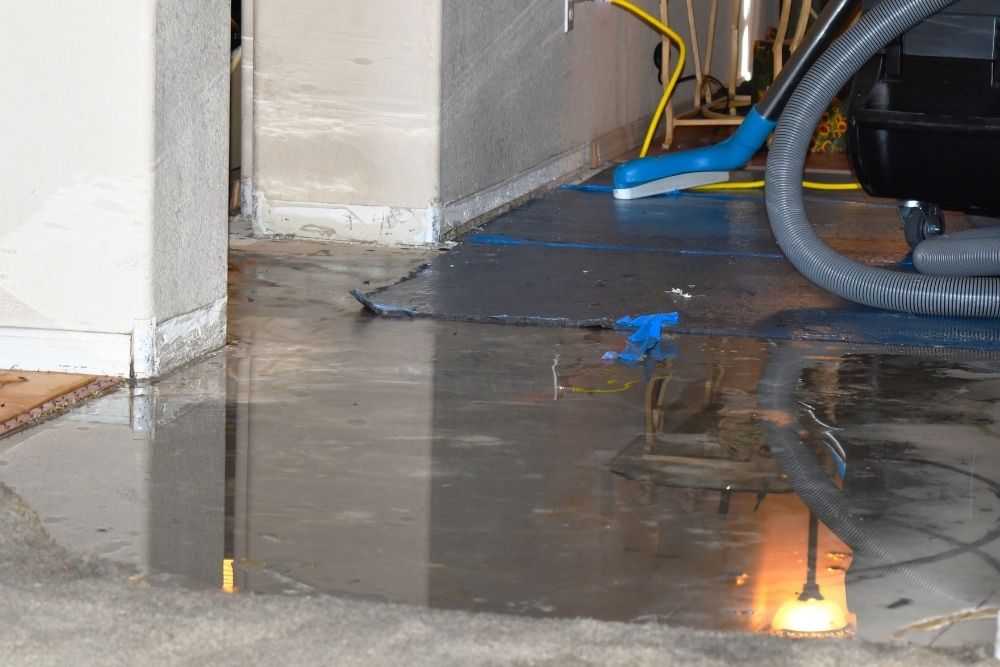
Standing water should be removed as quickly as possible after flooding. The longer water sits inside a property, the more damage it causes. Water can soak into flooring, drywall, insulation, and furniture within hours, making restoration more difficult and expensive.
For small floods, wet vacuums, buckets, and pumps may help remove water. Larger flooding situations usually require professional extraction equipment capable of removing large amounts of water efficiently. Industrial pumps and water extraction machines significantly reduce drying time and minimize damage.
Water removal should include every affected area, including basements, crawl spaces, carpets, and hidden corners where moisture can collect. Even after visible water disappears, trapped moisture may remain beneath flooring or behind walls.
Professional restoration teams often use moisture detection tools to identify hidden water pockets that homeowners may miss. Thorough extraction helps prevent future problems such as mold growth, odors, and weakened building materials.
Fast water removal is one of the most important steps in protecting a property after flooding. Immediate action can reduce restoration costs, improve drying efficiency, and help restore safe living conditions more quickly.
Dry and Dehumidify All Affected Areas
After standing water is removed, the drying process begins. Drying the property completely is essential because leftover moisture can continue damaging materials long after flooding occurs. Even when surfaces appear dry, hidden moisture may still exist inside walls, ceilings, flooring, and insulation.
Fans, open windows, and household dehumidifiers may help with minor flooding. However, severe water damage often requires industrial air movers and professional dehumidification equipment. These tools remove excess moisture from the air and accelerate the drying process.
Humidity control is especially important after flooding. High humidity levels create ideal conditions for mold and bacteria growth. Professionals typically monitor moisture levels daily to ensure the property dries completely before repairs begin.
Some materials may need removal during this stage. Wet drywall, insulation, carpets, and padding can trap moisture and become breeding grounds for mold if left untreated. In many cases, replacing heavily damaged materials is safer and more effective than attempting repairs.
Proper drying is one of the most important parts of successful flood restoration. Thorough moisture removal helps protect the property from long-term structural damage and unhealthy indoor conditions.
Clean and Sanitize the Property
Floodwater often carries harmful contaminants that can create serious health risks if not cleaned properly. Sanitizing affected areas helps eliminate bacteria, odors, mold spores, and other pollutants left behind after flooding.
Hard surfaces such as floors, countertops, walls, and furniture should be cleaned using professional disinfectants designed for water damage restoration. Protective equipment should continue to be worn during cleaning to reduce exposure to contaminants.
Soft materials including rugs, mattresses, upholstery, and certain fabrics may need professional cleaning or disposal depending on the contamination level. Items exposed to sewage-contaminated water are often unsafe to keep.
Air quality also becomes a concern after flooding. Moisture and contaminants can circulate through the air, affecting respiratory health. Air scrubbers and filtration systems may help improve indoor air quality during restoration.
Inspect for Mold Growth
Mold can begin growing within 24 to 48 hours after water exposure. This makes mold prevention a major concern after flooding. Mold spreads quickly in damp conditions and may damage building materials while affecting indoor air quality.
Common signs of mold include musty odors, dark stains on walls or ceilings, peeling paint, and visible fuzzy growth. However, mold often develops in hidden areas such as behind drywall, under flooring, or inside HVAC systems.
Professional inspections may be necessary if flooding was severe or if moisture remained for an extended period. Restoration experts use specialized equipment to locate hidden moisture and identify mold growth before it spreads further.
If mold is discovered, proper remediation should begin immediately. Attempting to remove large mold infestations without professional equipment can spread spores throughout the property. Certified professionals use containment barriers and filtration systems to remove mold safely.
Preventing mold growth is a key goal of professional flood damage cleanup services. Quick drying, proper sanitation, and moisture control significantly reduce the chances of future mold problems after flooding occurs.
Repair and Restore the Property
Once cleanup and drying are complete, restoration work can begin. Flood damage often affects flooring, drywall, insulation, cabinets, paint, and electrical systems. Repairing these materials helps return the property to a safe and comfortable condition.
Some items may be salvageable if addressed quickly. Hardwood floors, furniture, and structural materials can sometimes be restored using professional drying and repair techniques. Severely damaged materials, however, may need replacement.
Restoration contractors may rebuild walls, install new flooring, repaint surfaces, and repair plumbing or electrical systems affected by flooding. Professional repairs ensure the property meets safety standards and functions properly again.
Many homeowners also take this opportunity to improve flood protection measures. Installing water-resistant materials, sump pumps, and improved drainage systems can help reduce damage during future flooding events.
Conclusion
Flood damage can be overwhelming, but acting quickly can reduce long-term problems and restoration costs. From ensuring safety and stopping the water source to drying, cleaning, and repairing the property, every step plays an important role in successful recovery. Proper flood damage cleanup helps prevent mold growth, structural damage, and unhealthy indoor conditions that can affect your home and family.
Homeowners who respond immediately after flooding often experience faster restoration and fewer complications. Professional restoration services provide the equipment, experience, and expertise needed to handle severe water damage safely and efficiently.
If your home or business has experienced flooding, contact JGW Group Water Damage Restoration in Las Vegas for trusted restoration services. Their experienced team provides fast response times and reliable flood cleanup solutions to help restore your property. Call 725-525-3122 today for professional assistance with flood damage restoration and recovery.