Understanding the flood damage cleanup process is important for homeowners dealing with water damage after a storm, plumbing failure, or natural disaster. Flooding can quickly damage flooring, walls, furniture, insulation, and electrical systems if not handled properly. The longer water remains inside a property, the greater the risk of mold growth, structural problems, and expensive repairs.
A flood damage restoration timeline helps property owners know what to expect during recovery. While every situation is different, most restoration projects follow the same general process, including inspection, water extraction, drying, cleaning, and reconstruction. Knowing how long each stage may take can reduce stress and help homeowners make informed decisions during an emergency.
This guide explains the typical timeline for flood restoration and highlights the factors that can affect the overall recovery process from start to finish.
Emergency Response and Initial Inspection
The first stage of flood restoration begins immediately after water damage is discovered. Quick action is critical because standing water can rapidly spread throughout the property and soak into porous materials. Most restoration companies recommend beginning mitigation within the first 24 hours to minimize long-term damage.
During the initial inspection, restoration professionals assess the extent of the flooding and identify safety concerns. They check for electrical hazards, structural instability, contaminated water, and hidden moisture. This inspection also helps technicians create a restoration plan based on the severity of the damage.
Professionals often document the affected areas with photographs and moisture readings for insurance purposes. Accurate documentation helps support claims and allows homeowners to better understand the scope of repairs needed. The inspection stage typically takes a few hours depending on the size of the property.
Fast emergency response can significantly reduce restoration costs. The earlier professionals begin mitigation, the greater the chance of saving flooring, drywall, furniture, and personal belongings from permanent damage.
Water Extraction During the First Day
Once the inspection is complete, the next step involves removing standing water from the property. Water extraction is one of the most important parts of the restoration process because excess water continues damaging materials every hour it remains inside the building.
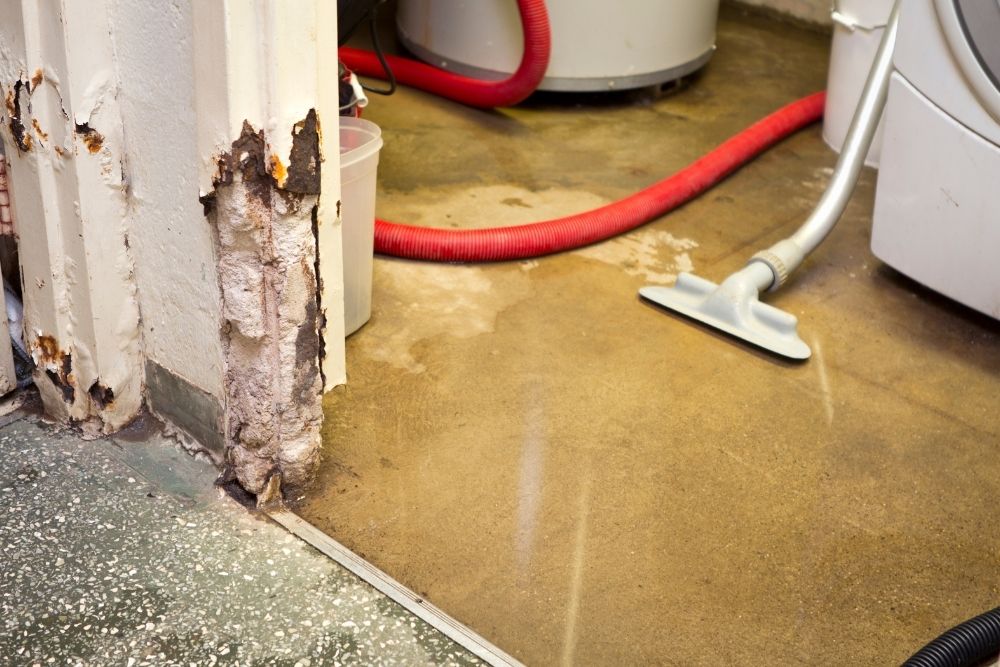
Professional restoration teams use industrial pumps, wet vacuums, and extraction equipment to remove water quickly and efficiently. The amount of time required depends on the severity of flooding and the size of the affected area. Smaller residential jobs may take several hours, while severe flooding can require a full day or longer.
This stage of the flood damage cleanup process focuses on removing water from carpets, flooring, crawl spaces, and hard-to-reach areas. Technicians also check for moisture trapped beneath surfaces that may not be visible immediately.
Professional equipment removes water far more effectively than standard household tools. Quick extraction reduces the risk of warping, swelling, and microbial growth while helping shorten the overall restoration timeline.
Drying and Dehumidification Process
Even after standing water is removed, moisture still remains inside walls, floors, insulation, and furniture. Drying and dehumidification are necessary to prevent additional damage and mold growth. This stage usually lasts between three and seven days depending on the conditions inside the property.
Restoration professionals use commercial air movers and dehumidifiers to circulate air and reduce indoor humidity levels. Moisture meters and thermal imaging tools help monitor drying progress throughout the process. The goal is to bring all materials back to safe moisture levels before repairs begin.
Several factors can affect drying times. Humid weather conditions often slow the evaporation process, while certain materials such as hardwood flooring and insulation retain moisture longer than others. Properties affected by contaminated floodwater may also require more extensive drying procedures.
Rushing this stage can create serious long-term problems. Incomplete drying may result in mold growth, unpleasant odors, and weakened structural materials. Proper drying is essential for ensuring a safe and successful restoration outcome.
Cleaning and Sanitizing the Property
After the property is fully dried, restoration crews begin cleaning and sanitizing affected areas. Floodwater often contains bacteria, dirt, chemicals, and other contaminants that can create health risks if not removed properly.
Hard surfaces are disinfected using professional cleaning solutions designed to eliminate bacteria and microbial growth. Carpets, upholstery, and furniture may require deep cleaning, deodorization, or disposal depending on the level of contamination. Air scrubbers are sometimes used to improve indoor air quality during this stage.
Odor removal is also an important part of the cleaning process. Flooding can leave behind strong musty smells caused by moisture absorption and bacteria. Professional deodorization treatments help eliminate these odors instead of simply masking them temporarily.
Cleaning and sanitizing generally take one to three days depending on the extent of the damage. Homes affected by sewage backups or storm flooding may require additional sanitation procedures to ensure the property is safe for occupancy.
Mold Prevention and Remediation
Mold can begin growing within 24 to 48 hours after water exposure, making prevention a major priority during restoration. Damp environments and hidden moisture pockets create ideal conditions for mold development if drying is incomplete.
Restoration professionals often apply antimicrobial treatments during the drying and cleaning stages to reduce the risk of mold growth. Moisture readings are carefully monitored to ensure no hidden damp areas remain inside walls or beneath flooring materials.
If mold is already present, remediation procedures may become necessary. Small areas of mold growth can often be removed quickly, while widespread contamination may extend the overall restoration timeline. Technicians may use containment barriers and air filtration systems to prevent mold spores from spreading to unaffected areas.
The flood damage cleanup timeline can become longer when mold remediation is required. Early intervention and professional drying methods greatly reduce the chances of mold becoming a major issue during recovery.
Removal of Damaged Materials
Not all building materials can be saved after severe flooding. Drywall, insulation, flooring, cabinets, and ceiling materials may need removal if they become saturated or contaminated. Controlled demolition helps eliminate unsafe materials and prepares the property for rebuilding.
Technicians determine which materials are salvageable after completing moisture inspections. Damaged sections are carefully removed to avoid affecting undamaged portions of the property. Debris is then disposed of according to local safety regulations.
The amount of demolition required depends on the severity of flooding and the category of water involved. Minor residential flooding may only require replacing a few sections of drywall or flooring, while major flood events may involve extensive removal throughout the structure.
Although demolition can feel stressful for property owners, it is often necessary to ensure the building remains safe and structurally sound after restoration is complete.
Reconstruction and Final Repairs
The reconstruction phase begins once mitigation, drying, cleaning, and demolition are complete. This stage involves rebuilding damaged areas and restoring the property to its pre-loss condition.
Common repairs include replacing drywall, repainting walls, installing new flooring, repairing cabinets, and restoring electrical systems. Structural repairs may also be necessary in cases involving severe water damage.
Reconstruction timelines vary greatly depending on the extent of repairs required. Minor restoration projects may take one to two weeks, while major flood damage can require several months of rebuilding. Permit approvals, contractor schedules, and material availability can also influence project completion times.
Good communication between homeowners, contractors, and insurance providers helps keep reconstruction moving efficiently. Clear timelines and expectations reduce delays and improve the overall restoration experience.
Factors That Affect Restoration Timelines
Every flood restoration project is unique, and several factors influence how long recovery may take. The severity of flooding is usually the biggest factor, but other conditions also impact the timeline.
The type of water involved affects cleaning and safety procedures. Clean water from a plumbing leak generally requires less restoration work than contaminated floodwater or sewage backups. Larger properties also require more drying time and labor than smaller homes.
Weather conditions can slow the drying process, especially in humid climates. Insurance claim approvals, permit requirements, and contractor availability may further affect scheduling during reconstruction.
The complete flood damage cleanup process may take anywhere from several days to several months depending on the situation. Working with experienced professionals helps ensure the project stays on schedule while maintaining safety and quality standards.
Conclusion
A flood damage restoration timeline helps homeowners understand the steps involved in recovering from water damage. From emergency response and water extraction to drying, cleaning, and reconstruction, each stage plays a critical role in restoring a safe and healthy property. Fast action is essential for reducing damage, preventing mold growth, and minimizing repair costs.
The length of restoration depends on several factors, including the amount of flooding, contamination levels, and the repairs required. Professional restoration services provide the equipment, expertise, and experience needed to handle the recovery process efficiently.
If you need reliable flood restoration services, contact JGW Group Water Damage Restoration in Las Vegas at 725-525-3122 for expert assistance with flood recovery and water damage restoration.