
Flooding can cause severe property damage and expensive repairs, making insurance coverage an important part of protecting your home or business. Many property owners mistakenly believe their homeowners insurance policy automatically covers floods, only to discover after a disaster that flood-related damage is excluded. Understanding how flood insurance works can help property owners prepare financially and recover faster after water damage occurs.
Flood insurance is designed to help cover repair costs, damaged belongings, and certain restoration expenses after flooding events. It also plays a major role in supporting fast and effective flood damage cleanup when disasters strike. Whether flooding is caused by heavy rain, flash floods, storm surges, or overflowing waterways, having the right policy in place can reduce financial stress and help restore your property more efficiently.
This guide explains how flood insurance works, what it covers, how claims are handled, and why understanding your policy matters before an emergency happens.
What Is Flood Insurance?
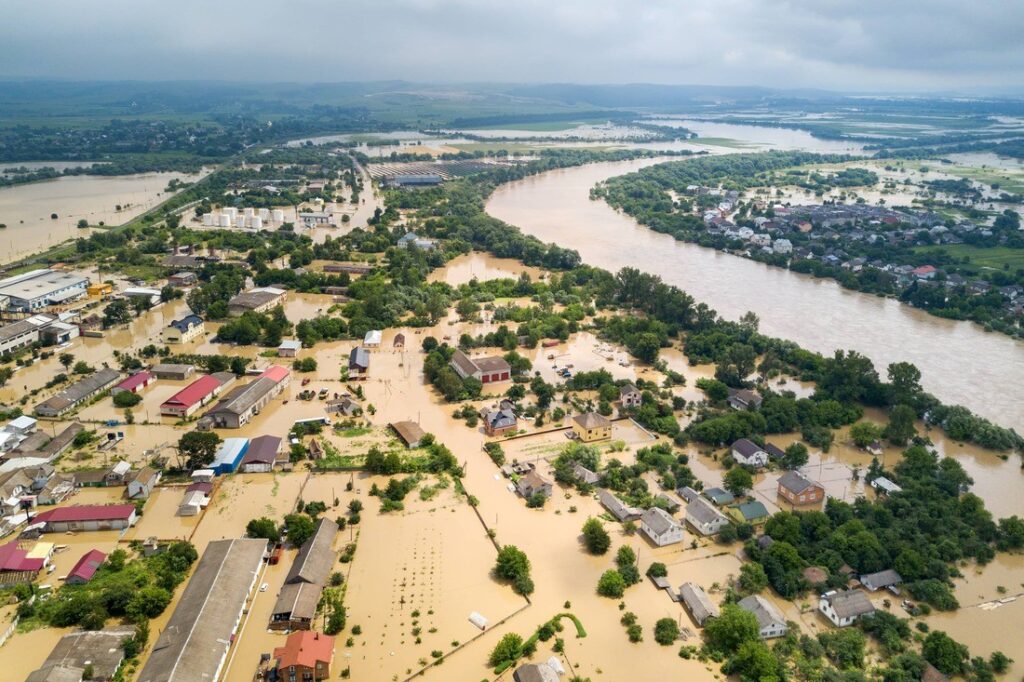
Flood insurance is a specialized type of insurance coverage that protects homeowners, renters, and businesses from losses caused by flooding. Unlike standard homeowners insurance policies, flood insurance specifically covers damage caused by rising water entering a property from outside sources. This includes storms, overflowing rivers, rapid snowmelt, and flash floods.
Most flood insurance policies in the United States are offered through the National Flood Insurance Program (NFIP), which is managed by FEMA. Some private insurance companies also provide flood coverage with additional benefits or higher policy limits.
Flood insurance typically includes two forms of protection. Building coverage helps pay for structural repairs involving walls, flooring, plumbing systems, electrical systems, and major appliances. Personal property coverage helps replace damaged belongings such as furniture, electronics, clothing, and household items.
Flood damage can become extremely expensive very quickly. Water intrusion often affects flooring, drywall, insulation, furniture, and electrical systems at the same time. Having flood insurance in place helps property owners avoid paying these large restoration costs completely out of pocket.
Why Homeowners Insurance Does Not Cover Flood Damage
One of the biggest misconceptions about insurance is that homeowners policies automatically cover flood-related losses. In reality, most homeowners insurance policies specifically exclude flooding caused by natural disasters or rising water from outside the home.
Insurance companies separate flood damage from other water damage because floods often impact many homes at the same time. Covering widespread flooding under standard homeowners policies would create massive financial risks for insurers.
For example, if a pipe bursts inside your home, your homeowners insurance may cover the repairs. However, if heavy rain causes water to enter your property from outside, the resulting damage usually falls under flood insurance instead.
This distinction becomes critical after severe weather events. Many homeowners only realize they lack flood coverage after attempting to file claims for water damage restoration services. Without flood insurance, they may have to pay for structural repairs, drying equipment, debris removal, and flood damage cleanup on their own.
Even homes located outside officially designated flood zones can still experience flooding. Flash floods, drainage issues, and severe storms can impact neighborhoods that rarely experience water damage. Because of this, many experts recommend flood insurance even for lower-risk properties.
What Flood Insurance Typically Covers
Flood insurance policies usually provide protection for both the building structure and the personal belongings inside the property. Building coverage commonly includes structural components such as foundations, walls, flooring, HVAC systems, electrical wiring, water heaters, and permanently installed cabinets.
Personal property coverage helps pay for damaged furniture, electronics, appliances, clothing, and other household possessions. Depending on the policy, reimbursement may be based on either actual cash value or replacement cost.
Flood insurance may also help cover certain restoration expenses after a flood event. Water extraction, debris removal, sanitation, and drying services are often necessary immediately after flooding occurs. Quick action helps reduce additional damage and minimizes the risk of mold growth.
However, every policy has coverage limits and exclusions. High-value items such as jewelry, artwork, or collectibles may require additional protection beyond standard flood insurance policies.
Property owners should carefully review their coverage limits to ensure they are fully protected against potential losses. Replacement and restoration costs can increase significantly after major storms when demand for contractors and restoration professionals rises.
What Flood Insurance Does Not Cover
Although flood insurance provides valuable financial protection, it does not cover every type of flood-related expense. One of the most important exclusions is temporary living expenses. Most standard flood insurance policies do not pay for hotel stays, food costs, or temporary housing while repairs are being completed.
Certain basement items and improvements may also have limited protection under NFIP policies. Finished basement walls, carpeting, and personal belongings stored below ground level are often subject to restrictions.
Outdoor property such as landscaping, swimming pools, decks, fences, and patios usually receives little or no coverage. Vehicles damaged during floods are generally covered under comprehensive auto insurance rather than flood insurance.
Mold damage may also be excluded if the insurance company determines that proper cleanup and maintenance were not performed promptly. Delays during flood damage cleanup can sometimes lead to reduced claim payouts.
Cash, important documents, and valuable collections may have reimbursement limits as well. Property owners with expensive valuables should consider additional insurance options if needed.
How the Flood Insurance Claims Process Works
The flood insurance claims process begins immediately after the property owner discovers flood damage. The first step is ensuring safety and preventing additional damage if possible. Once conditions are safe, homeowners should document all visible damage with photos and videos.
Property owners should contact their insurance company as soon as possible to start the claim. The insurer will assign a claims adjuster to inspect the property and estimate the cost of repairs.
During the inspection process, homeowners should keep receipts for emergency services, temporary repairs, drying equipment, and restoration work. Professional restoration companies often help document damage using moisture readings, photographs, and written assessments.
After the inspection, the insurance company reviews the damages based on the terms of the policy. If the claim is approved, payment is issued according to the coverage limits and deductibles outlined in the policy.
The time required to process claims varies depending on the size of the disaster and the number of claims being handled. Large storms and widespread flooding events may create delays because insurance companies receive a high volume of requests simultaneously.
Understanding Flood Zones and Insurance Costs
Flood insurance costs are heavily influenced by a property’s flood risk level. FEMA uses flood maps to identify areas with different levels of flooding risk. These maps determine whether a property falls within a high-risk, moderate-risk, or low-risk flood zone.
Homes located in high-risk flood zones are more likely to experience flooding and often require flood insurance if the property has a federally backed mortgage. Insurance premiums in these areas are generally higher because the probability of claims is greater.
However, flooding can still occur outside high-risk areas. Heavy rainfall, poor drainage systems, and urban development can create unexpected flooding in neighborhoods previously considered low risk.
Insurance companies also consider factors such as the home’s elevation, construction materials, foundation type, and deductible amount when calculating premiums.
The Importance of Buying Flood Insurance Early
One of the most important things homeowners should understand about flood insurance is that coverage usually does not begin immediately after purchase. Most NFIP policies include a standard 30-day waiting period before coverage becomes active.
This waiting period prevents property owners from purchasing insurance only after severe weather threats become imminent. Because of this delay, waiting until a major storm approaches may leave a property temporarily uninsured.
Some exceptions may apply for mortgage-related transactions or certain policy transfers, but most homeowners should plan ahead rather than waiting until flood risks increase.
Purchasing flood insurance early provides financial security before disasters occur. Preparation is especially important in areas prone to heavy rain, hurricanes, flash flooding, or storm surges.
Flood restoration costs can become overwhelming without insurance assistance. Structural drying, repairs, sanitation, and reconstruction services often require significant investment.
Conclusion
Flood insurance plays a critical role in protecting homeowners and businesses from the financial impact of water damage disasters. Because standard homeowners insurance usually does not cover flooding, having separate flood coverage is essential for many property owners. Understanding what flood insurance covers, what it excludes, and how the claims process works can help you make informed decisions before emergencies happen.
Flood insurance also supports faster recovery by helping cover restoration costs associated with water extraction, repairs, and flood damage cleanup. Acting quickly after a flood can reduce long-term damage and improve the overall restoration process.
If your property experiences flooding in Las Vegas, NV, professional restoration help is available. JGW Group Water Damage Restoration provides reliable cleanup and restoration services for residential and commercial properties. For immediate assistance or emergency restoration support, contact JGW Group Water Damage Restoration at 725-525-3122.