Storms can leave behind more than just heavy rain and strong winds. Fallen trees, broken branches, and structural damage often create dangerous conditions that require immediate action. Knowing how to respond after severe weather can help protect your home, your family, and your property from further destruction. That is why understanding the process of storm damage restoration is so important for homeowners and business owners alike.
Tree damage emergencies can happen without warning, especially during thunderstorms, hurricanes, high winds, or flash floods. A fallen tree may damage roofing systems, electrical lines, windows, or even the structural integrity of a building. Delaying cleanup and repairs can lead to water intrusion, mold growth, and costly long-term issues. This guide explains what to do after tree-related storm damage, how restoration professionals help, and the steps property owners should take to recover quickly and safely after severe weather strikes.
Understanding the Risks of Tree Damage After a Storm
Tree damage is one of the most common problems property owners face after severe weather. Strong winds, saturated soil, and lightning can weaken trees and cause limbs or entire trunks to fall unexpectedly. Older trees and trees located close to homes are especially vulnerable during storms. Even healthy trees can become dangerous when exposed to powerful weather conditions.
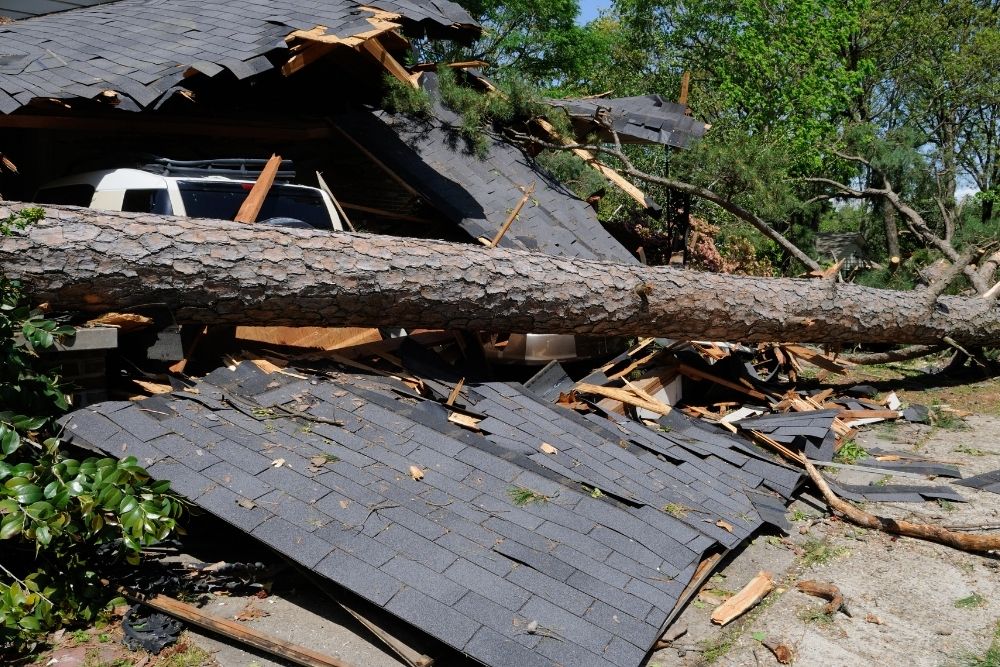
When a tree falls onto a property, the damage can be immediate and severe. Roof punctures, shattered windows, damaged siding, and collapsed fences are common outcomes. In some cases, trees may also strike vehicles or block access points around a property. Fallen branches can create additional hazards by damaging utility lines or obstructing roads and driveways.
Many homeowners underestimate how quickly secondary damage develops after a storm. Openings in roofing systems can allow water to enter the home within minutes. Moisture trapped inside walls or ceilings can eventually lead to mold growth and structural weakening. Fast action is critical to minimizing repair costs and preventing unsafe living conditions.
Immediate Safety Steps After Tree Damage Occurs
The moments following a storm are often stressful and confusing. However, taking the right safety precautions can prevent injuries and reduce further property damage. Before inspecting the affected area, homeowners should ensure that everyone inside the property is safe and accounted for.
If a tree has fallen onto the home, avoid entering damaged rooms until the structure has been inspected. Broken support beams, weakened ceilings, and exposed electrical wiring can create serious hazards. If utility lines are involved, contact emergency services and your utility provider immediately. Never attempt to move branches or debris near electrical lines.
How Fallen Trees Cause Water Damage Inside Homes
Many people focus only on the visible damage caused by fallen trees, but hidden water damage can become an even bigger problem over time. When a tree punctures a roof or breaks windows, rainwater can enter the property quickly and spread throughout the structure.
Water intrusion often affects insulation, drywall, flooring, and electrical systems. Moisture trapped inside building materials creates the ideal environment for mold and mildew growth. In warm climates, mold can begin developing within 24 to 48 hours after exposure to water.
Ceiling leaks are particularly dangerous because water can travel through multiple levels of a property before becoming visible. Homeowners may notice stains, peeling paint, or warped flooring days after the storm has passed. By that time, hidden structural damage may already be developing.
Professional restoration crews use specialized moisture detection equipment to locate hidden water pockets inside walls and ceilings. Industrial drying systems and dehumidifiers help remove excess moisture and stabilize the property. Addressing water intrusion quickly is a key part of successful storm damage restoration and helps prevent costly secondary repairs in the future.
Why Emergency Tree Removal Should Be Handled Professionally
Removing fallen trees is not a simple cleanup task. Storm-damaged trees are unstable and unpredictable, making them dangerous to handle without proper training and equipment. Branches under tension can snap unexpectedly, while partially fallen trees may shift during removal attempts.
Professional tree removal specialists understand how to assess the stability of damaged trees before beginning work. They use cranes, chainsaws, rigging systems, and protective equipment to remove debris safely and efficiently. Attempting DIY tree removal can lead to serious injuries or additional property damage.
Another challenge involves hidden structural risks. A tree resting on a roof may be supporting part of the damaged structure. Removing it improperly can cause sections of the roof or walls to collapse. Restoration professionals coordinate tree removal with structural stabilization to protect the property throughout the process.
The Importance of Fast Storm Damage Restoration Services
Time is one of the most important factors after severe weather damage occurs. The longer a property remains exposed to moisture and structural instability, the greater the risk of long-term complications. Immediate response services help prevent additional destruction and speed up the recovery process.
Emergency restoration teams provide rapid assessments and temporary stabilization measures. This may include roof tarping, water extraction, debris removal, and structural support installation. These services help secure the property and reduce safety hazards while permanent repairs are planned.
Quick action also helps preserve personal belongings and interior materials. Furniture, electronics, and flooring may be salvageable if water removal begins early enough. Delayed cleanup often increases replacement costs and insurance complications.
Professional restoration companies also work directly with insurance providers to streamline documentation and claims processing. Detailed reports, moisture readings, and photographic evidence help support faster claim approvals and reduce stress for property owners.
Reliable storm damage restoration services are designed to restore safety, prevent further deterioration, and help families return to normal life as quickly as possible after a major storm event.
Common Signs of Hidden Structural Damage
Not all storm damage is immediately visible after a fallen tree incident. Some structural problems may remain hidden for days or even weeks before becoming noticeable. Identifying these warning signs early can help prevent more severe damage later.
One common indicator is cracking around doors, windows, or ceilings. These cracks may suggest shifting or weakening within the structural framework of the property. Uneven flooring, sticking doors, and sagging ceilings can also signal deeper issues caused by the storm’s impact.
Water stains and musty odors are additional warning signs. Moisture trapped behind walls or above ceilings can slowly weaken building materials and promote mold growth. Homeowners should also watch for bubbling paint, warped drywall, or soft spots in flooring surfaces.
Preventing Future Tree Damage on Your Property
While storms cannot be prevented, property owners can take steps to reduce the risk of tree-related damage in the future. Regular tree maintenance is one of the most effective ways to improve safety during severe weather.
Dead branches, leaning trees, and overgrown limbs should be inspected and removed by certified arborists. Trees located close to homes, garages, or power lines require special attention because they pose a higher risk during storms. Proper pruning helps reduce wind resistance and lowers the chance of breakage.
Healthy root systems are equally important. Soil erosion, excessive moisture, and disease can weaken tree stability over time. Regular inspections help identify problems before storms expose vulnerabilities.
Homeowners should also prepare emergency plans for severe weather situations. This includes knowing emergency contact numbers, reviewing insurance coverage, and understanding evacuation procedures if necessary.
Choosing the Right Restoration Company After a Storm
Selecting the right restoration company can make a major difference in the recovery process. Property owners should look for experienced professionals who specialize in emergency response and storm-related repairs.
A reliable restoration company should offer 24/7 emergency services and have experience handling tree damage, water extraction, structural drying, and reconstruction. Quick response times are essential for minimizing additional damage after a storm.
Licensing, insurance, and certifications are also important factors to consider. Reputable companies follow industry standards and use professional-grade equipment to complete restoration work safely and effectively. Reading customer reviews and checking references can also provide insight into service quality and reliability.
Communication is another key factor. Property owners benefit from working with restoration teams that provide clear updates, explain the repair process, and assist with insurance documentation.
Conclusion
Tree damage caused by severe weather can create dangerous and costly situations for homeowners and businesses. Fallen trees, roof damage, water intrusion, and hidden structural issues often require immediate attention to prevent further complications. Understanding the proper safety steps, recognizing warning signs, and acting quickly after a storm can make a significant difference in the recovery process.
Professional restoration services provide the expertise and equipment needed to handle emergency cleanup, water removal, structural repairs, and debris removal safely and efficiently. If your property has been affected by severe weather, the team at JGW Group Water Damage Restoration is ready to help. Serving Las Vegas, NV, they provide fast and dependable restoration solutions for storm-related property damage. For emergency assistance or professional guidance, contact JGW Group Water Damage Restoration today at 725-525-3122.