Storms can cause serious destruction to homes and businesses, leaving property owners overwhelmed and unsure of what to do next. Understanding the storm damage restoration process can help reduce stress and ensure faster recovery after severe weather events. From emergency response and inspections to repairs and final restoration, each stage plays a critical role in protecting your property and preventing further damage.
Whether the storm involves heavy rain, flooding, hail, or high winds, acting quickly is essential. Delays can lead to mold growth, structural issues, and increased repair costs. Knowing the expected restoration timeline allows property owners to make informed decisions, communicate better with contractors and insurance companies, and restore normal life as soon as possible. In this guide, we’ll break down the full timeline of storm restoration and explain what homeowners can expect at every stage of the recovery process.
Immediate Emergency Response After the Storm
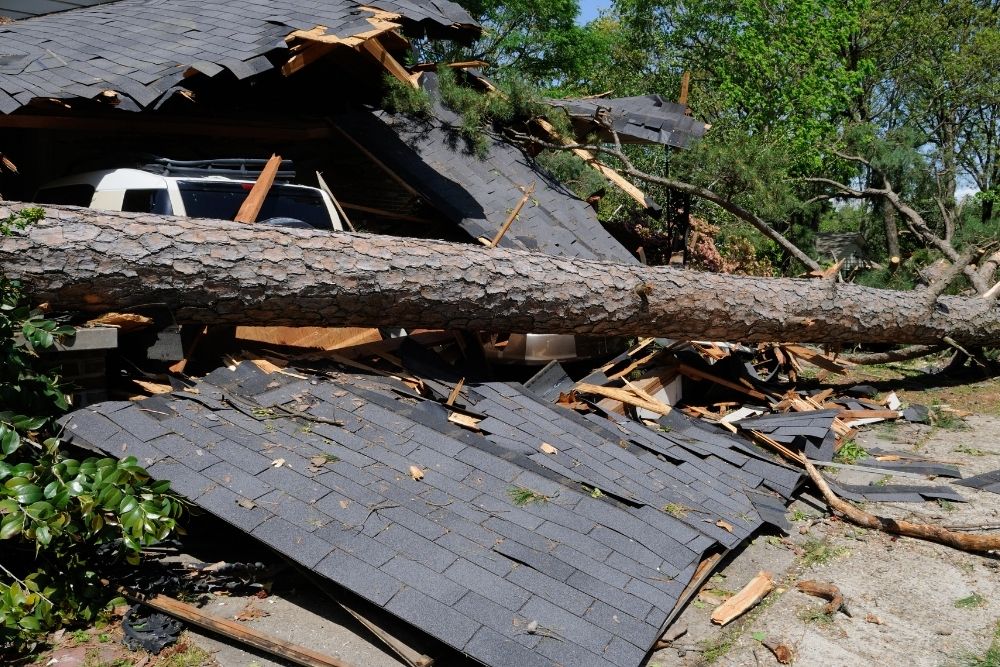
The first stage of any restoration project begins immediately after the storm passes. Safety is always the top priority. Property owners should avoid entering damaged structures until professionals confirm the building is safe. Fallen power lines, broken glass, flooding, and unstable roofing can all create hazardous conditions.
Emergency restoration teams typically arrive within the first 24 hours. Their main goal is to prevent additional damage from occurring. This often includes temporary roof tarping, water extraction, board-up services, and removing dangerous debris from the property. Quick action helps reduce long-term repair costs and protects the home from further exposure to rain or wind.
Professional restoration companies also document all visible damage during this stage. Photos, videos, and written reports are essential for insurance claims and repair planning. This documentation becomes the foundation for the next steps in the recovery process.
The speed of the emergency response often determines how successful the entire project will be. Fast mitigation can minimize moisture buildup, reduce mold risks, and stabilize the structure before permanent repairs begin.
Property Inspection and Damage Assessment
Once the property is stabilized, restoration professionals perform a detailed inspection. This phase is critical because it identifies the full extent of the storm-related damage, including problems that may not be immediately visible.
Inspectors examine roofing systems, walls, ceilings, flooring, windows, plumbing, and electrical systems. Water damage is especially concerning because moisture can spread behind walls and beneath flooring materials. Specialized equipment such as moisture meters and thermal imaging cameras are often used to detect hidden water intrusion.
During this stage, contractors also determine whether structural repairs are necessary. Storms can weaken support beams, foundations, and load-bearing walls. Identifying these issues early helps prevent future safety hazards.
A complete inspection report is then prepared for the homeowner and insurance company. This report outlines the scope of repairs, estimated costs, and expected project timeline. Accurate assessments help ensure the restoration project moves efficiently and avoids unexpected delays later in the process.
The inspection phase may take anywhere from one day to several days depending on the severity of the storm and the size of the property.
Filing Insurance Claims and Approval Process
After the inspection is complete, homeowners typically begin the insurance claim process. Insurance approval timelines can vary significantly depending on the provider, policy details, and severity of regional storm damage.
Property owners should contact their insurance company as soon as possible. Most providers will send an adjuster to review the damage independently. The adjuster compares their findings with the restoration company’s assessment before approving repair costs.
Documentation plays a major role during this stage. Photos, receipts, contractor estimates, and emergency mitigation records all help support the claim. Clear communication between the homeowner, restoration contractor, and insurance adjuster can speed up approvals and reduce disputes.
In large-scale weather events, insurance processing times may increase due to the high volume of claims being filed simultaneously. Some claims are approved within days, while more complex cases may take several weeks.
Water Removal and Drying Process
Water damage is one of the most common consequences of severe storms. Once insurance approvals are underway, restoration crews begin the drying and water removal process. This stage is extremely important because lingering moisture can cause serious long-term problems.
Industrial pumps and vacuums are used to extract standing water from the property. After extraction, high-powered air movers and dehumidifiers are strategically placed throughout the affected areas. These machines help remove hidden moisture trapped inside walls, ceilings, insulation, and flooring materials.
The drying process typically takes three to five days, although severe flooding may require longer treatment. Restoration professionals monitor moisture levels daily to ensure the property is drying correctly. Materials that cannot be salvaged, such as saturated drywall or carpeting, may need to be removed during this phase.
Proper drying is essential for preventing mold growth and structural deterioration. Even small amounts of trapped moisture can create significant problems if left untreated. Thorough moisture control also helps prepare the property for rebuilding and repairs.
Mold Prevention and Sanitation Procedures
Storm damage often creates ideal conditions for mold growth. Excess moisture combined with warm temperatures allows mold spores to spread quickly throughout a property. In many cases, mold can begin developing within 24 to 48 hours after water exposure.
To prevent contamination, restoration professionals sanitize all affected areas using antimicrobial treatments. These products help eliminate bacteria, mold spores, and other harmful contaminants brought in by floodwater or storm debris.
If mold growth is already present, specialized remediation procedures may be necessary. This can involve containment barriers, air filtration systems, and removal of contaminated building materials. Mold remediation helps protect indoor air quality and prevents health risks for occupants.
Sanitation is especially important after storms involving sewage backups or contaminated floodwater. Proper cleaning ensures the property is safe for rebuilding and occupancy. Restoration teams may also deodorize the space to remove lingering odors caused by water damage or mold.
Structural Repairs and Reconstruction
Once the property is fully dry and sanitized, reconstruction work can begin. This phase often takes the longest because it involves repairing or replacing damaged building materials and restoring the property to its pre-loss condition.
Structural repairs may include roofing replacement, drywall installation, flooring repairs, window replacement, and framing reconstruction. In severe cases, portions of the property may need to be rebuilt entirely.
The timeline for reconstruction depends on several factors, including material availability, permit requirements, labor scheduling, and the extent of damage. Smaller projects may be completed within a few weeks, while major restoration jobs can take several months.
Licensed contractors coordinate multiple aspects of the project during this phase. Electricians, plumbers, roofers, and carpenters may all work together to complete the repairs properly. Communication between all parties helps keep the project on schedule.
Final Inspections and Quality Assurance
Before the restoration project is considered complete, a final inspection is conducted to verify all repairs meet safety and quality standards. This stage ensures the property has been fully restored and that no hidden issues remain.
Restoration professionals inspect repaired structures, moisture levels, electrical systems, and finished materials. Homeowners also have an opportunity to review the completed work and address any concerns before the project closes.
Quality assurance checks help confirm that repairs comply with local building codes and insurance requirements. In some cases, city inspections may also be required before occupancy approval is granted.
This phase is important because it provides peace of mind for homeowners. A thorough final inspection helps ensure the property is safe, functional, and protected against future problems.
How Long the Entire Restoration Timeline Usually Takes
The total timeline for a storm restoration project varies based on the severity of damage and the size of the property. Minor repairs may take one to two weeks, while large-scale restoration projects can continue for several months.
Emergency mitigation and drying typically happen first and may take less than a week. Insurance approvals can add additional time depending on claim complexity. Reconstruction work often becomes the longest phase because it involves permits, material deliveries, and contractor scheduling.
Weather conditions can also impact the timeline. Additional storms or delays in material supply chains may extend the repair process. Communication between contractors, homeowners, and insurance providers helps reduce unnecessary setbacks.
Understanding the expected schedule allows property owners to plan more effectively during recovery. While every project is different, working with experienced professionals can significantly improve efficiency and help restore the property faster.
Conclusion
Recovering from severe weather can feel overwhelming, but understanding the full restoration timeline helps homeowners prepare for each stage of the process. From emergency response and inspections to drying, repairs, and final walkthroughs, every step is essential for restoring safety and preventing long-term damage. Acting quickly after a storm can reduce repair costs, protect property value, and speed up recovery.
If you need professional help with storm-related property damage, contact JGW Group Water Damage Restoration in Las Vegas. Their experienced team provides reliable restoration services designed to help homeowners recover quickly and safely after severe weather events. Call 725-525-3122 today to learn more about professional storm restoration solutions and immediate emergency assistance.