
Storms can cause serious damage to homes and commercial properties, leaving property owners overwhelmed with unexpected repairs and restoration costs. From roof leaks and flooding to broken windows and structural damage, understanding the true cost of storm damage restoration is essential for making informed decisions after severe weather hits. Repair expenses can vary depending on the type of storm, the extent of the damage, and how quickly restoration services begin.
In areas prone to strong winds, heavy rain, hail, and flash flooding, delaying repairs can lead to even more costly issues such as mold growth, weakened foundations, and interior water damage. Knowing what factors influence repair pricing helps homeowners prepare financially and avoid unnecessary complications. This guide explains the average costs of storm damage repair, what impacts pricing, insurance considerations, and why professional restoration services are important for protecting your property.
Understanding Storm Damage Repair Costs
The cost of repairing storm-related damage depends largely on the severity of the destruction and the areas affected. Minor repairs such as replacing shingles or fixing small leaks may cost only a few hundred dollars. However, major structural restoration, water extraction, and rebuilding efforts can quickly increase expenses into the thousands.
Storms often create multiple layers of damage throughout a property. Roof damage may allow water to seep into ceilings, walls, and flooring. High winds can break windows and siding, while flooding may compromise electrical systems and foundations. Because several repair categories are often involved, total restoration costs can vary significantly from one property to another.
Professional inspections are usually the first step in determining repair costs. Restoration experts assess visible and hidden damage before providing an estimate. Early inspections are important because unnoticed moisture or structural issues can worsen over time. Fast action not only protects the property but can also reduce overall repair expenses.
Roof Repair and Replacement Expenses
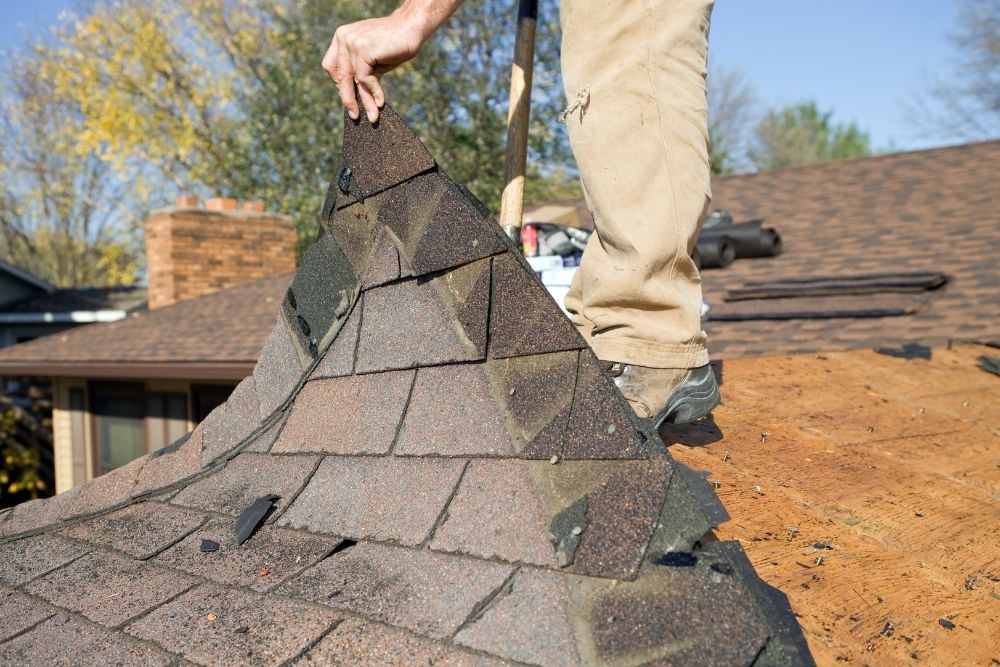
Roof damage is one of the most common and expensive consequences of severe storms. Heavy winds, hail, and falling debris can tear off shingles, puncture roofing materials, and create leaks that spread water throughout the property. Repair costs depend on the roofing material, the size of the damaged area, and whether a complete replacement is necessary.
Minor roof repairs may cost a few hundred dollars if only a small section requires replacement. However, extensive damage often requires partial or full roof replacement, which can range from several thousand to tens of thousands of dollars. Metal roofing, tile roofing, and premium materials generally cost more to repair than standard asphalt shingles.
Water intrusion from roof damage can also increase restoration costs. Moisture trapped in insulation, ceilings, or attic spaces may lead to mold growth and structural weakening. Addressing roof problems quickly helps minimize secondary damage and lowers the overall cost of storm-related repairs.
Water Damage Restoration After Storms
Flooding and water intrusion are major concerns after storms, especially during heavy rainfall or flash floods. Standing water can destroy flooring, drywall, furniture, and personal belongings within hours. Professional storm damage restoration services are essential to remove water, dry affected areas, and prevent long-term problems.
The cost of water damage restoration depends on how much water entered the property and how long it remained. Water extraction, industrial drying equipment, dehumidification, and sanitation all contribute to restoration pricing. Clean water from rain may cost less to handle than contaminated floodwater, which requires specialized cleaning procedures.
Mold prevention is another important factor. Moisture left untreated can create dangerous mold growth within 24 to 48 hours. Mold remediation adds additional costs to restoration projects, making fast emergency response critical. Professional restoration companies use moisture detection tools to ensure all affected areas are fully dried and restored properly.
Structural Damage and Foundation Repairs
Severe storms can weaken a property’s structural integrity. High winds, fallen trees, flooding, and shifting soil may damage walls, support beams, and foundations. Structural repairs are often among the most expensive restoration services because they involve specialized labor and materials.
Foundation repair costs vary depending on the extent of movement or cracking. Minor foundation repairs may involve sealing cracks and reinforcing weakened areas. More serious structural shifting may require excavation, stabilization systems, or complete reconstruction of sections of the property.
Storm damage affecting load-bearing walls or framing also requires immediate attention. Ignoring structural problems can make the property unsafe and increase repair costs over time. Licensed restoration professionals and contractors typically work together to assess the damage and develop a safe repair plan that restores stability to the building.
Window, Siding, and Exterior Repairs
Storms often damage a property’s exterior through flying debris, hail impact, and strong winds. Broken windows, dented siding, damaged gutters, and compromised doors are common repair needs after severe weather. Exterior damage not only affects appearance but also leaves the property vulnerable to additional water intrusion.
Replacing broken windows can vary in cost depending on window size, frame materials, and glass type. Energy-efficient or custom windows usually cost more to replace. Siding repairs also depend on the material used, such as vinyl, wood, brick, or fiber cement.
Exterior repairs should be completed quickly to protect the interior from moisture exposure. Damaged gutters and drainage systems can also contribute to water pooling around the foundation. Addressing exterior issues early helps prevent larger structural and water-related problems from developing later.
Insurance Coverage and Claim Factors
Homeowners insurance may help cover some or all storm-related repair costs, depending on the policy and type of damage. Wind damage, hail damage, and sudden water intrusion are often covered, while certain flood-related damages may require separate flood insurance policies.
Insurance companies typically require detailed documentation of the damage. Property owners should take photos, save receipts for emergency repairs, and schedule professional inspections as soon as possible. Restoration companies often assist with documentation to support the claims process.
Deductibles, coverage limits, and exclusions can affect out-of-pocket costs. Some policies may not fully cover cosmetic damage or gradual deterioration caused by delayed repairs. Understanding policy details before a storm occurs can help homeowners avoid surprises during the restoration process.
Emergency Services and Their Impact on Costs
Emergency restoration services are critical after major storms because rapid response can reduce damage and lower repair expenses. Services such as emergency tarping, board-up protection, water extraction, and debris removal help stabilize the property immediately after the storm passes.
While emergency services add upfront costs, they often save money in the long run by preventing additional destruction. For example, temporary roof tarping can stop ongoing leaks that might otherwise damage ceilings, insulation, and electrical systems. Quick water removal also reduces the likelihood of mold growth and structural weakening.
Emergency response pricing varies depending on the time of service, labor needs, and the severity of the disaster. Many restoration companies offer 24/7 emergency services because storms frequently occur outside of normal business hours. Fast action is one of the most effective ways to minimize overall restoration expenses.
How to Reduce Storm Damage Repair Costs
Property owners can take proactive steps to reduce future storm damage repair costs. Routine maintenance plays a major role in protecting homes and businesses from severe weather. Regular roof inspections, gutter cleaning, and tree trimming help minimize vulnerabilities before storms occur.
Installing storm-resistant materials can also lower repair expenses over time. Impact-resistant shingles, reinforced windows, and upgraded drainage systems improve a property’s ability to withstand harsh weather conditions. Although these upgrades require an initial investment, they may reduce insurance costs and future repair bills.
Another important factor is acting quickly after damage occurs. Delaying restoration allows water, mold, and structural issues to worsen. Hiring experienced professionals immediately after a storm helps prevent secondary damage and keeps restoration projects more manageable and affordable.
Conclusion
The cost of storm damage repair depends on several factors, including the severity of the storm, the type of damage, and how quickly restoration begins. Roof repairs, water extraction, structural restoration, and exterior repairs can all contribute to the total expense. Understanding these costs helps homeowners and business owners make informed decisions after severe weather events.
Professional restoration services play a vital role in protecting properties from long-term damage and ensuring repairs are completed safely and efficiently. If you need reliable storm recovery assistance, contact JGW Group Water Damage Restoration in Las Vegas, NV. Their experienced team provides fast and professional restoration services to help restore your property after severe weather damage. Call 725-525-3122 today for expert assistance and emergency support.