Storms can leave behind serious property damage, from roof leaks and flooding to broken windows and structural issues. When dealing with insurance claims, proper documentation becomes one of the most important steps in the storm damage restoration process. Without clear evidence, homeowners may struggle to receive the compensation needed for repairs and restoration.
Understanding how to document storm damage correctly can help speed up claims, reduce disputes, and protect your financial investment. Whether your home has experienced wind, hail, heavy rain, or flooding, having organized records makes a major difference during the insurance process. In this guide, you’ll learn the best ways to gather evidence, communicate with insurance adjusters, and prepare for successful repairs after a severe storm.
Inspect Your Property Safely After the Storm
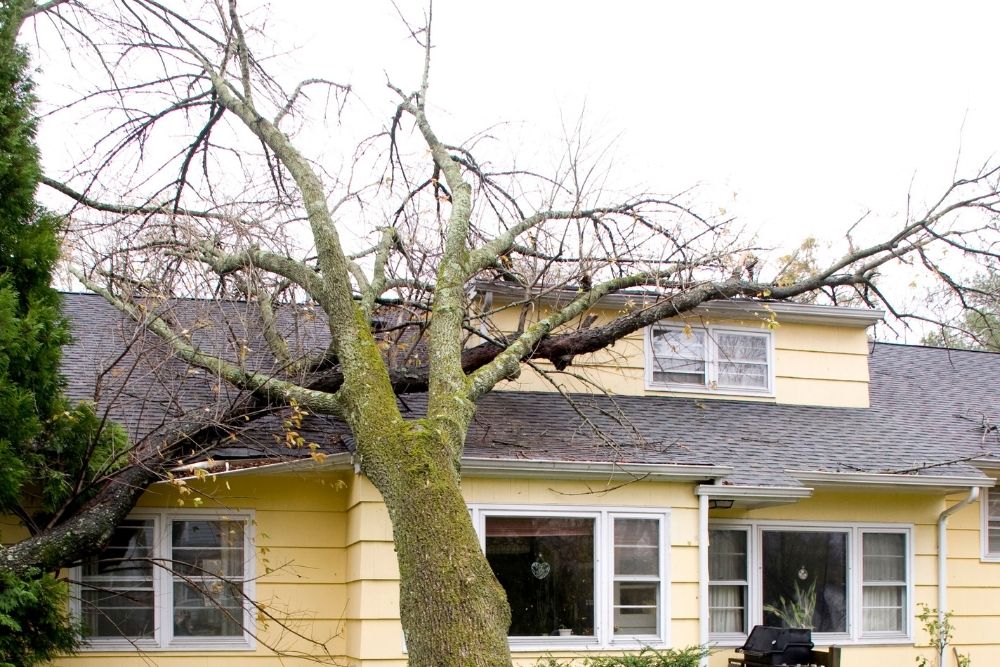
Before documenting damage, safety should always come first. Storms can leave behind hazards such as fallen power lines, broken glass, unstable roofing, and flooding. Wait until local authorities confirm conditions are safe before inspecting your property. If the damage appears severe, consider contacting professionals before entering affected areas.
Start by checking the exterior of your property. Look for damaged shingles, siding, gutters, fences, and windows. Pay attention to standing water or signs of structural instability. Inside the home, inspect ceilings, walls, flooring, and electrical systems for water intrusion or damage.
Take your time during the inspection process. Missing small details can impact your insurance claim later. Proper documentation is a critical part of storm damage restoration because it establishes the condition of your property immediately after the event. Careful inspections provide valuable proof when discussing repairs with your insurance company.
Take Clear Photos and Videos of All Damage
Photos and videos are some of the strongest forms of evidence for insurance claims. Begin documenting damage as soon as it is safe to do so. Capture wide-angle shots of affected areas first, then take close-up images to show details clearly.
Photograph every damaged section of your property, including roofing, walls, furniture, flooring, appliances, and landscaping. If possible, use timestamps on your photos or enable location settings on your device. Videos can also help demonstrate the extent of damage more effectively than still images alone.
Avoid throwing away damaged items before documenting them. Insurance companies may request visual proof during the claims process. Good visual evidence strengthens your position and supports faster approval for storm damage restoration services. Organized media files can also help contractors understand the full scope of repairs needed.
Create a Detailed List of Damaged Items
In addition to photos, prepare a written inventory of everything affected by the storm. Include furniture, electronics, appliances, clothing, and structural components. Record details such as brand names, model numbers, approximate purchase dates, and estimated values whenever possible.
A detailed inventory helps insurance adjusters calculate losses more accurately. It also prevents important items from being overlooked during the claims process. If receipts or warranties are available, keep them together with your documentation for easier reference.
Organizing information early can reduce stress later. Many homeowners underestimate how much was damaged until they begin writing it down. Keeping a complete inventory is an important part of storm damage restoration because it supports both reimbursement and repair planning.
Save Emergency Repair Receipts and Expenses
After a storm, temporary repairs may be necessary to prevent additional damage. This could include covering roof leaks with tarps, boarding broken windows, or removing standing water. While these emergency measures are important, homeowners should always save receipts for materials and services.
Insurance providers often reimburse reasonable emergency repair costs. Keep records for hotel stays, temporary housing, meals, and other expenses if your home becomes unlivable. Store both digital and physical copies of receipts whenever possible.
Documenting these costs demonstrates that you took responsible action to minimize further property damage. During the storm damage restoration process, accurate expense tracking can help maximize your insurance reimbursement and reduce out-of-pocket costs.
Contact Your Insurance Company Quickly
Prompt communication with your insurance provider is essential after storm damage occurs. Most insurance policies require homeowners to report damage within a specific timeframe. Delays can complicate claims or even result in denial.
When contacting your insurer, provide a clear overview of the situation and ask about the next steps. Record the names of representatives you speak with, claim numbers, and important dates. Keeping notes during conversations helps avoid misunderstandings later.
Ask your insurance company what documentation they require before repairs begin. Some insurers may want to inspect the property first. Staying organized and proactive improves the overall storm damage restoration experience and helps move the claim process forward efficiently.
Work With Professional Restoration Experts
Hiring experienced restoration professionals can make the recovery process much easier. Storm damage often involves hidden issues that homeowners may not notice immediately, such as moisture behind walls or structural weakening. Professional inspections help identify these problems early.
Restoration companies can also assist with documentation by providing detailed assessments, repair estimates, and photographic evidence. These reports are often valuable when negotiating with insurance adjusters. Experienced contractors understand what insurers typically require for claims approval.
Reliable storm damage restoration specialists also help prevent secondary damage like mold growth and long-term structural deterioration. Choosing qualified professionals ensures repairs are completed safely and according to industry standards.
Avoid Common Insurance Claim Mistakes
Many homeowners unintentionally weaken their claims by making avoidable mistakes. One common issue is starting permanent repairs before the insurance adjuster completes an inspection. Doing so may make it difficult to prove the original extent of the damage.
Another mistake is failing to document everything thoroughly. Missing photos, incomplete inventories, or poor communication records can slow the claims process significantly. Some homeowners also underestimate damage and fail to request full inspections.
Be honest and accurate when describing losses. Exaggerating damage can create legal complications and harm your credibility. A careful and organized approach supports smoother storm damage restoration and helps avoid unnecessary claim disputes.
Understand What Your Insurance Policy Covers
Not all insurance policies provide the same level of storm coverage. Some policies may cover wind and hail damage but exclude flooding. Others may include deductibles specifically for hurricane or severe weather claims. Reviewing your policy carefully helps you understand what expenses may be reimbursed.
If you are unsure about certain terms or coverage limits, ask your insurance representative for clarification. Understanding your policy reduces surprises during the claims process and helps you prepare financially for repairs.
Knowing your coverage also allows you to make informed decisions during storm damage restoration. This includes understanding which repairs are approved, how deductibles apply, and whether temporary housing costs are included under your plan.
Conclusion
Proper documentation is one of the most important steps homeowners can take after severe weather damage. From taking photos and videos to keeping receipts and communicating with insurance providers, every detail plays a role in protecting your claim. Staying organized can help speed up approvals, reduce stress, and ensure your property receives the repairs it needs.
If you need professional assistance with storm recovery, JGW Group Water Damage Restoration proudly serves homeowners in Las Vegas with reliable restoration services. Our experienced team can help assess damage, support your insurance documentation process, and restore your property quickly and safely. Contact JGW Group Water Damage Restoration today at 725-525-3122 to learn more about our storm recovery solutions.