Water damage can range from minor leaks to serious contamination issues, but black water damage is considered the most dangerous type. When dealing with sewage cleanup, understanding what black water is and why it poses health risks is critical for homeowners and business owners alike. Black water contains harmful bacteria, viruses, and contaminants that can quickly create unsafe living conditions if not handled properly.
Unlike clean water from a broken pipe or gray water from appliances, black water comes from heavily contaminated sources such as sewage backups, flooding, or standing water filled with hazardous waste. Immediate cleanup and professional restoration are essential to prevent structural damage and serious health concerns. In this guide, we’ll explain everything you need to know about black water damage, including its causes, risks, warning signs, cleanup process, and how professional restoration services can help protect your property.
Understanding Black Water Damage
Black water damage refers to water contamination that contains dangerous pathogens, bacteria, and toxic substances. It is classified as Category 3 water damage, which is the most severe level recognized in the restoration industry. This type of water is unsafe for human contact and requires immediate professional attention.
Common sources of black water include sewage backups, overflowing toilets with waste contamination, river flooding, storm surges, and stagnant water that has been sitting for extended periods. Once black water enters a property, it can spread rapidly through flooring, drywall, furniture, and HVAC systems.
One of the biggest concerns with black water damage is the health risk it creates. Exposure can lead to infections, respiratory issues, skin irritation, and serious illnesses caused by harmful microorganisms. Because of this, professional sewage cleanup is necessary to safely remove contaminants and restore the affected space.
Black water damage can also weaken the structural integrity of a property. Wood, insulation, drywall, and carpeting absorb contaminated water quickly, leading to rot, mold growth, and long-term damage if not properly treated.
Common Causes of Black Water Damage
Several situations can lead to black water contamination inside a home or commercial building. One of the most common causes is a sewage backup. When sewer lines become clogged or damaged, wastewater can flow back into sinks, bathtubs, and toilets, spreading dangerous contaminants throughout the property.
Flooding from heavy rainstorms or natural disasters is another major cause. Floodwaters often contain sewage, chemicals, dirt, and bacteria from surrounding areas. Even a few inches of contaminated floodwater can create serious sanitation concerns.
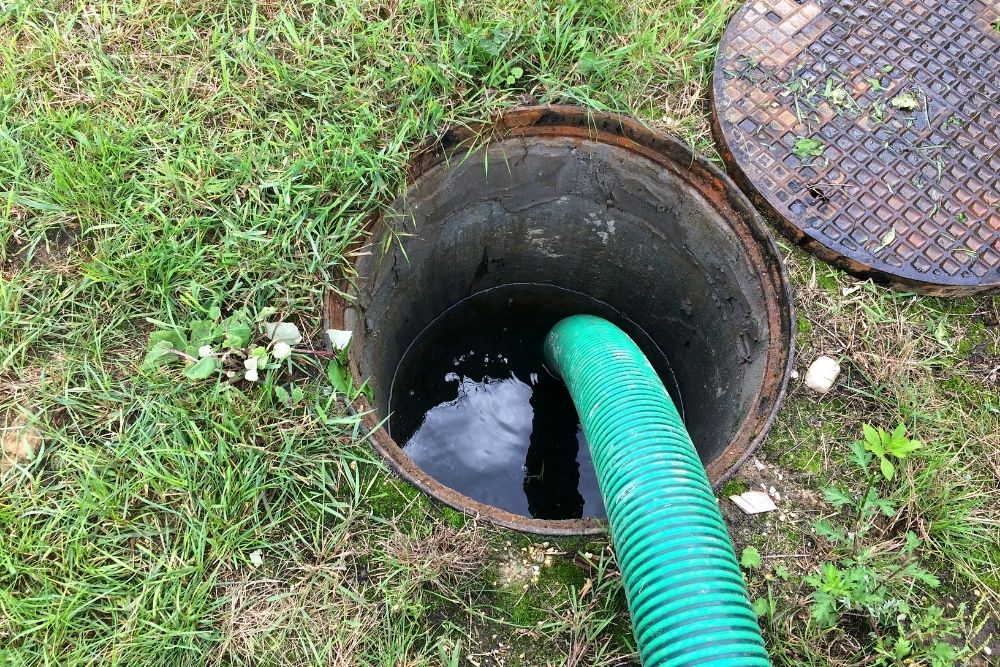
Broken septic systems can also lead to black water exposure. When septic tanks overflow or fail, hazardous waste may seep into the property and surrounding soil. This creates unsafe conditions that require immediate restoration services.
Another overlooked cause is standing water left untreated for more than 48 hours. Water that initially starts as clean or gray water can eventually become black water as bacteria multiply and contaminants spread. This is why fast action is essential after any type of water intrusion.
Understanding these common causes helps property owners recognize the importance of immediate sewage cleanup and professional restoration before the situation worsens.
Health Risks Associated With Black Water
Black water contamination creates serious health hazards that should never be ignored. Because this water contains harmful microorganisms and toxic substances, direct exposure can cause severe illness and infection.
Bacteria such as E. coli and Salmonella are commonly found in contaminated sewage water. These bacteria can lead to gastrointestinal infections, fever, nausea, and other serious health complications. Viruses and parasites may also be present, increasing the risk of disease transmission.
Exposure can happen through direct skin contact, inhalation, or accidental ingestion. Even breathing air contaminated by sewage particles can trigger respiratory problems and allergic reactions. Individuals with weakened immune systems, children, and elderly adults are especially vulnerable.
Another major concern is mold growth. Black water damage creates the perfect environment for mold to spread quickly within walls, flooring, and insulation. Mold exposure can worsen asthma symptoms and cause chronic respiratory irritation.
Attempting DIY sewage cleanup without proper protective equipment can increase these risks significantly. Professional restoration teams use specialized safety procedures, industrial equipment, and disinfectants to safely remove contaminants and restore indoor air quality.
Signs of Black Water Damage in a Property
Recognizing the warning signs of black water damage early can help minimize property destruction and health risks. One of the most obvious signs is a foul sewage odor coming from drains, flooring, or walls. Persistent unpleasant smells often indicate contamination hidden within the structure.
Discolored water stains are another common indicator. Black water may leave dark brown, gray, or yellow stains on walls, ceilings, and floors. These stains often appear after flooding or sewage backups.
Slow-draining sinks, tubs, or toilets can also signal sewer line problems that may eventually lead to contamination. If multiple drains are backing up simultaneously, there could be a blockage in the main sewer line.
Visible mold growth is another red flag. Since contaminated water creates excess moisture, mold can begin spreading within 24 to 48 hours after exposure. Mold patches on walls, ceilings, or carpets may indicate hidden water contamination.
Warped flooring, peeling paint, and damaged drywall are additional signs that contaminated water has penetrated the structure. If these symptoms appear after a flood or plumbing issue, immediate professional inspection is recommended.
The Black Water Cleanup Process
Cleaning black water damage requires a specialized restoration process designed to safely remove contamination and restore the affected area. The first step is identifying and stopping the source of the contamination to prevent additional water intrusion.
Restoration professionals then isolate the affected areas to stop contaminants from spreading to other parts of the property. Protective barriers and air filtration systems are often used during this phase.
Next comes water extraction using industrial pumps and vacuums. Because black water is hazardous, technicians wear protective suits, gloves, and respirators throughout the cleanup process. Contaminated materials such as carpeting, insulation, and drywall are usually removed and safely disposed of.
After debris removal, all surfaces are thoroughly cleaned and disinfected using professional-grade antimicrobial solutions. Drying equipment such as air movers and dehumidifiers helps eliminate hidden moisture that could lead to mold growth.
Finally, restoration repairs begin. This may include replacing drywall, flooring, insulation, or damaged structural components. The goal is to restore the property to a safe and healthy condition.
Why Professional Restoration Is Necessary
Black water damage is not a situation that should be handled without professional expertise. The contamination involved poses significant health and structural risks that require specialized equipment and training.
Professional restoration companies understand how to safely contain hazardous materials while minimizing cross-contamination. They follow industry standards established by organizations such as the IICRC to ensure proper sanitation procedures are followed.
Advanced equipment also plays a major role in effective cleanup. Moisture meters, industrial dehumidifiers, HEPA filtration systems, and commercial disinfectants help ensure the property is fully restored and safe for occupancy.
Another important advantage is hidden moisture detection. Black water can seep beneath flooring, behind walls, and into structural materials. Without professional inspection, moisture may remain trapped and create long-term mold problems.
Insurance documentation is another benefit of hiring professionals. Restoration companies often help document the damage, provide detailed reports, and assist with insurance claims to simplify the recovery process.
How to Prevent Black Water Damage
Preventing black water damage starts with regular maintenance and early problem detection. One of the best ways to reduce risk is by inspecting plumbing and sewer systems regularly for leaks, clogs, or damage.
Avoid flushing non-biodegradable items down toilets or drains. Items such as wipes, paper towels, grease, and hygiene products can create blockages that lead to sewage backups.
Installing backwater valves can also help prevent sewer water from flowing back into the property during heavy rainfall or municipal sewer overloads. These valves are especially useful in flood-prone areas.
Routine septic tank maintenance is another important prevention step for properties using septic systems. Regular inspections and pumping help reduce the risk of overflow and system failure.
Addressing water damage immediately is equally important. Standing water should never be ignored because bacteria can multiply quickly. Fast drying and professional cleanup help prevent contamination from escalating into black water conditions.
Conclusion
Black water damage is one of the most dangerous forms of water contamination because it involves hazardous sewage, bacteria, and toxic materials that threaten both property and health. From sewage backups to floodwater contamination, immediate action is critical to prevent structural damage, mold growth, and serious illness. Professional sewage cleanup ensures contaminated materials are safely removed, sanitized, and restored using proper equipment and industry-approved methods.
If your home or business experiences black water damage, trust JGW Group Water Damage Restoration to provide fast and reliable restoration services. Our experienced team is ready to handle emergency cleanup, water extraction, sanitation, and complete property restoration throughout Las Vegas. Call us today at 725-525-3122 for immediate assistance and professional support when you need it most.