Dealing with a sewage backup is one of the most stressful situations a property owner can face. Beyond the unpleasant odors and visible damage, contaminated water can create serious health risks and expensive repair costs. That’s why understanding your coverage options before you need them is essential. This sewage cleanup insurance guide explains how insurance policies typically handle sewage damage, what homeowners should expect during the claims process, and how to avoid costly surprises.
Many property owners assume all water damage is covered under their policy, but sewage-related incidents often fall under different rules and limitations. Knowing what your insurance covers can help you act quickly, protect your property, and reduce out-of-pocket expenses. Whether the issue comes from a backed-up drain, storm flooding, or damaged sewer lines, understanding your policy can make a major difference when disaster strikes.
What Is Sewage Cleanup and Why Is It Important?
Sewage cleanup involves removing contaminated water, sanitizing affected areas, and restoring damaged property after a sewage backup or overflow. Unlike clean water leaks, sewage water contains harmful bacteria, viruses, and toxic contaminants that can create serious health hazards. Professional cleanup is necessary to ensure the property becomes safe again for occupants.
When sewage enters a home or commercial building, it can damage flooring, drywall, furniture, insulation, and electrical systems. If not addressed quickly, mold growth and structural deterioration can develop within days. This is why fast response times are critical during any sewage-related emergency.
Professional restoration companies use specialized equipment to remove waste, disinfect surfaces, dry affected materials, and restore the property. Attempting to handle contaminated water without proper protective gear can expose individuals to dangerous pathogens. Insurance companies also often require professional documentation and restoration records when processing claims related to sewage damage.
Does Homeowners Insurance Cover Sewage Damage?
Many homeowners are surprised to learn that standard homeowners insurance policies may not automatically cover sewage backups. Coverage often depends on the source of the damage and the type of policy the property owner has purchased. In many cases, sewage backup protection is considered an optional add-on endorsement.
For example, if a sewer line backs up into a home due to clogged municipal systems or drain failures, the insurance company may deny the claim unless backup coverage was added beforehand. However, if the sewage issue resulted from a sudden covered event, such as a burst pipe, portions of the damage may qualify for reimbursement.
Policy limits also matter. Some insurance companies cap sewage damage coverage at a certain amount, which may not fully cover extensive restoration costs. Property owners should review their policies carefully and speak with their insurance agent about coverage details.
Common Causes of Sewage Backups
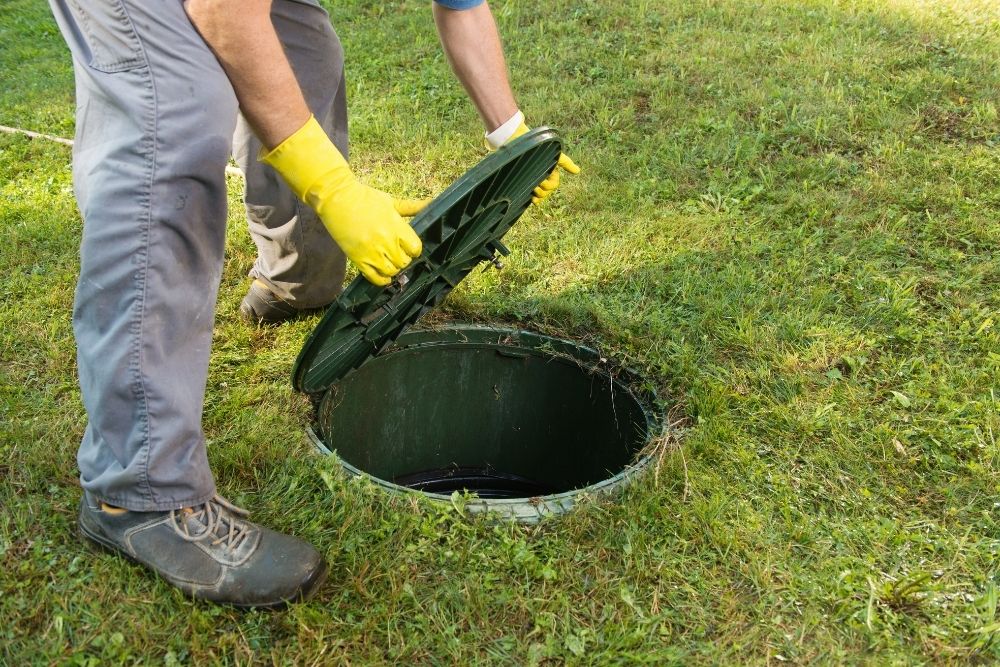
Several issues can trigger sewage backups in residential and commercial properties. One of the most common causes is clogged sewer lines caused by grease buildup, paper products, tree roots, or debris blocking the system. Older plumbing systems are especially vulnerable to these problems.
Heavy rainstorms can also overwhelm municipal sewer systems, causing wastewater to flow backward into homes through drains and toilets. In cities with aging infrastructure, storm-related backups are becoming increasingly common during severe weather events.
Broken or collapsed sewer pipes may also contribute to major sewage incidents. Over time, underground pipes can crack due to shifting soil, corrosion, or invasive tree roots. When these systems fail, wastewater may enter the property unexpectedly.
Improper disposal habits can increase risks as well. Flushing wipes, hygiene products, and grease down drains often contributes to blockages. Preventive maintenance and regular plumbing inspections can reduce the chances of serious sewage damage.
Steps to Take Immediately After a Sewage Backup
The first priority after a sewage backup is safety. Occupants should avoid direct contact with contaminated water and leave affected areas if the damage is severe. Sewage water may contain dangerous microorganisms that can cause illness through skin contact or airborne particles.
Once the area is secured, property owners should contact a professional restoration company immediately. Rapid response reduces further structural damage and helps minimize mold growth. Restoration specialists can begin extraction, sanitation, drying, and damage assessment right away.
Homeowners should also document all visible damage for insurance purposes. Photos and videos of affected areas can support the claims process and provide evidence of losses. It’s important not to throw away damaged items until the insurance adjuster has reviewed the situation unless health concerns require immediate disposal.
Next, contact the insurance provider to report the incident and begin the claims process. The insurer may request inspection reports, invoices, and mitigation documentation. Keeping organized records can help streamline approval and reimbursement.
How the Insurance Claims Process Works
Filing an insurance claim for sewage damage usually begins with notifying the insurance company as soon as possible after the incident occurs. The insurer will typically assign an adjuster to inspect the property and determine the extent of covered damages.
The adjuster reviews the source of the sewage backup, policy details, and documentation provided by the homeowner. They may examine photos, invoices, repair estimates, and restoration reports before making a coverage determination. Clear documentation often helps speed up the approval process.
Insurance providers may distinguish between sudden accidental damage and long-term maintenance issues. If the backup resulted from neglected plumbing systems or unresolved issues, the claim could be partially denied. This is why regular maintenance records can sometimes support a homeowner’s case.
Once approved, the insurer may cover water extraction, sanitation, repairs, and replacement of damaged materials up to the policy limit. However, deductibles still apply, meaning the homeowner must pay a portion of the costs out of pocket.
The Cost of Sewage Cleanup Services
The cost of professional sewage restoration varies depending on the severity of contamination, affected materials, and the size of the property. Minor backups may cost a few thousand dollars, while major structural damage can result in significantly higher expenses.
Several factors influence pricing. Contaminated carpet, drywall, insulation, and flooring often require complete removal and replacement. Specialized sanitation procedures and industrial drying equipment also contribute to overall restoration costs.
If mold develops due to delayed cleanup, remediation expenses may increase even further. Electrical repairs, plumbing repairs, and structural reconstruction can also add substantial costs to the project. This is why having adequate insurance protection is so important.
Professional restoration companies provide detailed assessments and itemized estimates for insurance documentation. Homeowners should avoid choosing restoration services based solely on low pricing, since improper cleanup can leave behind harmful contaminants and long-term damage.
How to Prevent Future Sewage Problems
Preventive maintenance plays a major role in reducing the risk of future sewage backups. One of the most effective steps homeowners can take is scheduling routine plumbing inspections to identify potential issues before they become major emergencies.
Avoid flushing wipes, paper towels, grease, or hygiene products down drains and toilets. Even products labeled as “flushable” can contribute to pipe blockages over time. Proper disposal habits help maintain healthy plumbing systems.
Installing a backwater valve may also help prevent sewage from reversing into the property during municipal sewer overloads. These devices are especially useful in areas prone to flooding or heavy rainfall.
Tree roots are another common cause of underground pipe damage. Regular sewer line inspections using cameras can detect root intrusion early and prevent serious system failures. Maintaining gutters and drainage systems can also help reduce excess water pressure during storms.
Choosing the Right Restoration Company
Selecting the right restoration company after sewage damage is critical for ensuring safe and effective cleanup. Property owners should look for companies with experience handling contaminated water emergencies and proper industry certifications.
Licensed and insured restoration professionals use advanced equipment and follow strict sanitation protocols to remove hazardous materials safely. Experienced technicians understand how to prevent cross-contamination and properly dry affected areas to avoid mold growth.
Fast response times are also important. Sewage damage worsens quickly, and delays can increase restoration costs significantly. Reliable restoration companies typically offer emergency services to begin mitigation immediately after a call.
Communication matters throughout the process as well. Homeowners should choose a company that provides clear documentation, detailed estimates, and assistance with insurance coordination. Strong communication can help reduce stress during an already difficult situation.
Conclusion
Understanding sewage damage coverage can save homeowners from major financial stress during emergencies. From reviewing insurance policies to responding quickly after a backup, every step plays a role in protecting your property and health. Professional restoration, proper documentation, and preventive maintenance are all essential parts of managing sewage-related incidents effectively.
If you need trusted restoration support, JGW Group Water Damage Restoration proudly serves property owners throughout Las Vegas, NV with fast and professional emergency services. Whether you are dealing with a backup, water contamination, or property damage, their experienced team is ready to help restore your home safely and efficiently. For immediate assistance or to learn more about restoration services, contact JGW Group Water Damage Restoration at 725-525-3122 today.