A sewage backup is one of the most dangerous and stressful situations a property owner can face. Beyond the terrible smell and visible mess, contaminated water can carry harmful bacteria, viruses, and toxins that threaten your health and damage your property. Proper sewage cleanup is essential to protect your home, business, and everyone inside the building.
Many people underestimate how serious sewage contamination can become after a flood, clogged drain, or broken sewer line. Without proper sanitation, bacteria can continue spreading long after the visible water is gone. Understanding the correct cleanup and disinfecting process helps reduce long-term damage and health risks. In this guide, you’ll learn how to sanitize after a sewage backup, what safety steps to follow, and when to call professional restoration experts for help.
Understanding the Dangers of Sewage Backup
Sewage water is classified as highly contaminated water because it contains bacteria, viruses, parasites, and hazardous waste materials. Exposure can lead to respiratory issues, skin irritation, infections, and serious illnesses if not handled properly. That is why immediate action is critical after a sewage backup occurs in your home or business.
The contamination can spread quickly through flooring, drywall, furniture, and HVAC systems. Even small amounts of sewage water can create hidden moisture pockets where mold and bacteria thrive. In many cases, homeowners attempt DIY cleaning methods that only remove surface dirt while leaving dangerous contaminants behind.
Professional sewage cleanup involves much more than simply drying the area. It requires specialized disinfectants, protective equipment, and moisture detection tools to ensure the affected space is fully sanitized. Ignoring the contamination or delaying cleanup can increase repair costs and create ongoing health hazards for your family or employees.
Prioritize Safety Before Entering the Area
Before beginning any sanitation process, safety should always come first. Sewage-contaminated areas may contain harmful airborne particles and electrical hazards. If standing water is present near electrical outlets or appliances, avoid entering until the power has been safely shut off.
Wear proper protective gear before touching contaminated materials. This includes waterproof gloves, rubber boots, eye protection, and an N95 mask or respirator. Avoid direct skin contact with sewage water because bacteria can enter through cuts or small openings in the skin.
Children, elderly individuals, and pets should stay completely away from the affected area during the cleanup process. Ventilation is also important to reduce odor buildup and improve air quality. Open windows when possible and use fans carefully to circulate air without spreading contaminants to clean areas of the property.
Taking proper safety precautions reduces the risk of illness and helps create a safer environment during the restoration process.
Remove Standing Sewage Water Immediately
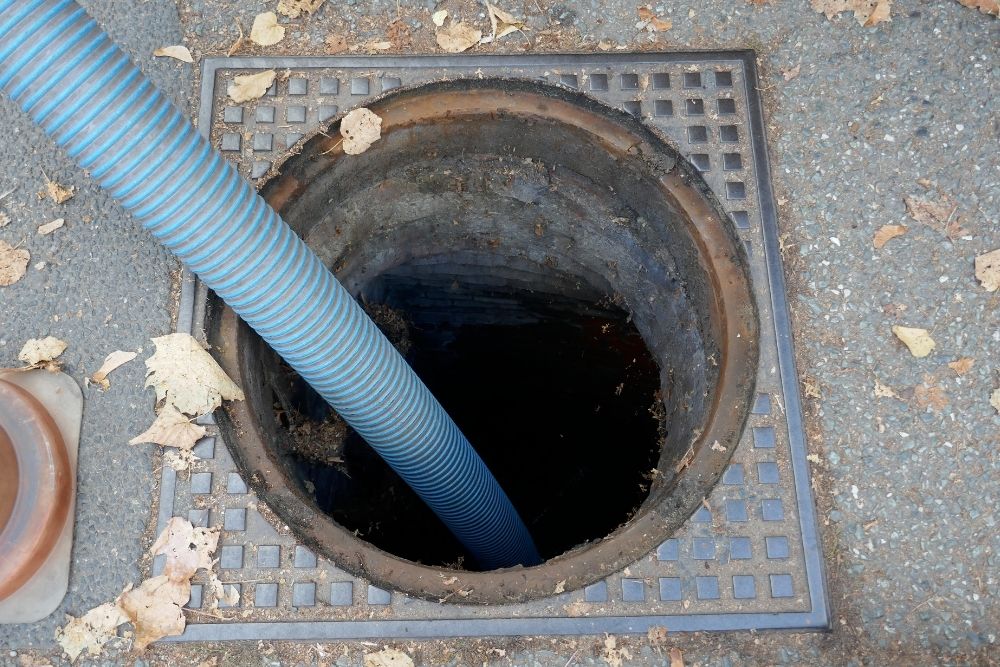
One of the first steps after a sewage backup is removing standing water as quickly as possible. The longer contaminated water sits, the more damage it causes to flooring, walls, insulation, and furniture. Fast water extraction also helps reduce bacterial growth and foul odors.
Professional restoration teams use industrial pumps and extraction vacuums designed specifically for hazardous water removal. Small residential wet vacuums are often not strong enough for major sewage contamination and may spread bacteria if improperly used.
After the water is removed, the affected area should be inspected for hidden moisture behind walls and beneath flooring. Water can seep into porous materials quickly, creating ideal conditions for mold growth within 24 to 48 hours.
Proper drying equipment such as dehumidifiers and high-powered air movers helps eliminate trapped moisture. Thorough drying is essential because even slightly damp materials can continue harboring bacteria and unpleasant odors long after the visible water disappears.
Dispose of Contaminated Materials Properly
Certain materials exposed to sewage water cannot be safely sanitized and should be discarded immediately. Porous items absorb contamination deeply, making complete disinfection nearly impossible. Carpeting, insulation, upholstered furniture, mattresses, and ceiling tiles are commonly removed after severe sewage exposure.
Drywall that has absorbed contaminated water often requires replacement as well. Keeping damaged materials inside the property can allow bacteria and mold to continue spreading even after cleaning surfaces.
Items should be carefully sealed in heavy-duty garbage bags before disposal to avoid contaminating other parts of the property. It is also important to follow local disposal regulations for hazardous waste materials.
Hard, non-porous surfaces such as concrete, tile, and metal can often be salvaged with professional sanitation methods. However, each situation is different, and a restoration specialist can determine which materials are safe to keep and which should be replaced.
Clean and Disinfect All Surfaces Thoroughly
Once contaminated materials are removed, the next step is deep cleaning and disinfection. Every affected surface must be scrubbed using specialized cleaning products designed to eliminate harmful pathogens. Household cleaners alone are usually not strong enough for sewage contamination.
Walls, floors, baseboards, and other surfaces should first be washed with hot water and detergent to remove dirt and debris. After cleaning, disinfectants are applied to kill remaining bacteria, viruses, and germs.
Professional-grade antimicrobial solutions are often used during sewage cleanup because they penetrate deeper and provide more effective sanitation. It is important to follow proper dwell times when applying disinfectants so they can fully destroy contaminants.
Even areas that appear clean may still contain invisible bacteria. That is why professional sanitation processes focus on both visible damage and microscopic contamination to restore a safe living environment.
Eliminate Odors After Sewage Contamination
One of the most difficult parts of sewage restoration is removing lingering odors. Sewage smells can become trapped in walls, flooring, furniture, and air ducts if not properly treated. Simple air fresheners only mask the smell temporarily without solving the underlying problem.
Odor removal typically involves advanced deodorization methods such as thermal fogging, air scrubbing, and hydroxyl or ozone treatments. These processes neutralize odor-causing particles instead of covering them up.
Ventilation also plays a key role in improving indoor air quality during restoration. Air movers and dehumidifiers help remove moisture while reducing stale odors trapped in the property.
Persistent odors are often a sign that hidden contamination or moisture still exists somewhere in the structure. A professional inspection helps identify problem areas and ensures the entire property is fully sanitized and deodorized before normal use resumes.
Prevent Mold Growth During the Cleanup Process
Mold growth is a major concern after any sewage backup. Moisture combined with contaminated organic material creates an ideal environment for mold colonies to develop rapidly. In warm climates, mold can begin spreading within just a couple of days.
Preventing mold requires immediate drying and moisture control. Dehumidifiers help reduce indoor humidity while air movers accelerate evaporation. Damaged materials that cannot be dried quickly should be removed to stop mold from spreading further.
Professional restoration teams use moisture meters and infrared cameras to locate hidden damp areas behind walls and under flooring. Without proper detection tools, hidden moisture may go unnoticed for weeks.
Mold not only damages property but can also worsen respiratory conditions and allergies. Taking fast action after sewage exposure helps reduce the risk of long-term mold problems and protects indoor air quality.
Know When to Call a Professional Restoration Company
While minor water spills may be manageable, sewage backups usually require professional restoration services. Contaminated water presents serious health risks that demand specialized equipment, training, and sanitation procedures.
Professionals understand how to safely remove hazardous materials, disinfect affected areas, and restore proper indoor conditions. They also help identify hidden structural damage that may not be visible immediately after the backup occurs.
Insurance companies often recommend hiring certified restoration experts because improper cleanup can lead to additional property damage later. Attempting DIY cleanup without proper protective equipment may expose you to dangerous bacteria and toxic gases.
Experienced restoration companies respond quickly, minimize damage, and ensure the property is thoroughly cleaned and safe for occupancy again.
Conclusion
Sanitizing after a sewage backup requires more than basic cleaning. From removing contaminated water to disinfecting surfaces and preventing mold growth, every step plays a critical role in protecting your health and property. Fast response times, proper safety measures, and thorough sanitation are essential for successful restoration after sewage contamination.
If you are dealing with a sewage backup in Las Vegas, professional help can make the cleanup process safer and more effective. JGW Group Water Damage Restoration provides reliable sewage cleanup and restoration services for residential and commercial properties throughout Las Vegas, NV. Their experienced team uses professional equipment and proven sanitation methods to restore your property quickly and safely. For immediate assistance, contact JGW Group Water Damage Restoration today at 725-525-3122.