Sewage contamination can create serious problems for homes, businesses, and public spaces. When wastewater enters a property, it brings harmful bacteria, viruses, parasites, and toxic substances that can threaten both health and safety. Many people underestimate the dangers connected to sewage cleanup, but even small exposure can lead to infections, respiratory problems, and long-term property damage if left untreated.
Understanding the health risks linked to sewage contamination is important for protecting your family, employees, and property. Contaminated water can spread quickly through flooring, drywall, furniture, and HVAC systems, making professional cleanup essential. In this article, we will explain the major health dangers caused by sewage exposure, how contamination spreads, and why immediate sewage cleanup is critical after any backup or flood event.
What Causes Sewage Contamination?
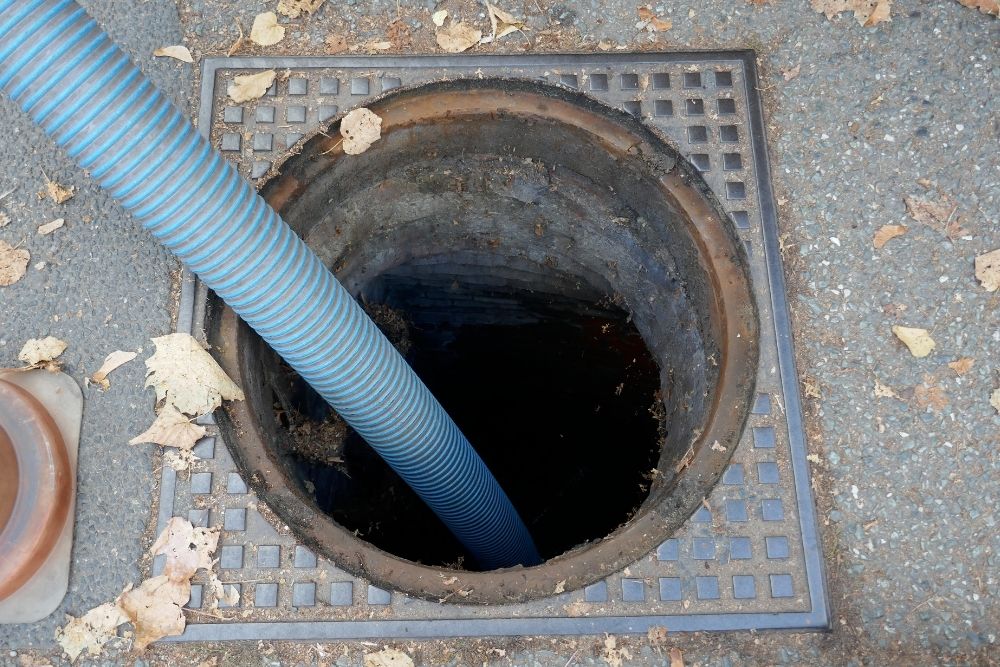
Sewage contamination usually happens when wastewater systems fail or overflow. Broken sewer lines, clogged drains, heavy rainfall, flooding, and septic tank failures are some of the most common causes. When contaminated water backs up into a property, it can quickly spread harmful microorganisms across multiple surfaces.
Homes and businesses in flood-prone areas are especially vulnerable. Stormwater can overwhelm sewer systems, causing raw sewage to enter basements, bathrooms, and crawl spaces. Once the contamination spreads, it becomes difficult to clean without professional equipment and sanitation procedures.
Even a small sewage backup can create major problems. Contaminated water seeps into porous materials like carpet, drywall, and insulation. Without immediate sewage cleanup, bacteria and mold can continue growing long after the visible water disappears.
Harmful Bacteria Found in Sewage
Raw sewage contains dangerous bacteria that can cause serious illness. Common bacteria found in contaminated water include E. coli, Salmonella, and Campylobacter. These organisms spread easily through direct contact or airborne particles created during water damage events.
Exposure to sewage bacteria may lead to stomach pain, vomiting, diarrhea, fever, and skin infections. In severe cases, vulnerable individuals such as children, seniors, and people with weakened immune systems may require hospitalization.
Bacteria can survive on surfaces for extended periods if the area is not disinfected correctly. That is why professional sewage cleanup services focus on deep sanitation and contamination removal instead of simple surface cleaning. Proper protective equipment and specialized disinfectants are necessary to safely restore affected areas.
Viruses and Parasites in Contaminated Water
Sewage water can also carry harmful viruses and parasites that pose major health concerns. Hepatitis A, norovirus, rotavirus, and intestinal parasites are frequently associated with contaminated wastewater exposure.
These organisms spread through direct contact with sewage-contaminated materials or accidental ingestion of polluted water particles. Symptoms often include nausea, dehydration, abdominal cramps, and severe gastrointestinal illness. Some viruses can remain active on surfaces for several days, increasing the risk of infection inside contaminated buildings.
Professional sewage cleanup helps eliminate these pathogens before they spread further throughout the property. Thorough disinfection, moisture removal, and air purification are essential steps in reducing exposure risks after a sewage incident.
Respiratory Problems Caused by Sewage Exposure
Sewage contamination can negatively affect indoor air quality. As contaminated water sits inside a property, bacteria and mold begin releasing airborne particles that irritate the respiratory system.
People exposed to sewage-contaminated environments may experience coughing, throat irritation, sinus congestion, headaches, and breathing difficulties. Individuals with asthma or respiratory conditions often face more severe symptoms after exposure.
Mold growth is another major concern following sewage damage. Moisture trapped inside walls, flooring, and insulation creates ideal conditions for mold colonies to spread rapidly. Professional sewage cleanup includes drying, dehumidification, and mold prevention measures that help restore healthy indoor air conditions.
The Risk of Skin and Eye Infections
Direct contact with contaminated sewage water can lead to painful skin and eye infections. Cuts, scrapes, or open wounds make it easier for bacteria and viruses to enter the body.
Common symptoms include skin rashes, redness, swelling, irritation, and infections that worsen over time if untreated. Eye exposure may result in burning sensations, redness, and inflammation. In severe situations, contaminated exposure can lead to more serious medical complications.
Avoiding direct contact with sewage water is critical. Protective gloves, boots, and masks are necessary during any cleanup process. Professional sewage cleanup teams follow strict safety protocols to minimize exposure and properly disinfect contaminated surfaces.
How Sewage Contamination Affects Property
Beyond health concerns, sewage contamination can severely damage property materials and structural components. Contaminated water penetrates flooring, drywall, insulation, and wooden structures, weakening materials over time.
The longer sewage remains untreated, the greater the damage becomes. Unpleasant odors can linger throughout the property, while moisture creates conditions for mold growth and long-term deterioration. Electronics, furniture, and personal belongings may also become unsafe to salvage after contamination.
Fast sewage cleanup helps reduce restoration costs and limits permanent damage. Professional restoration teams use specialized drying equipment, moisture detection tools, and sanitation methods to restore properties safely and efficiently.
Why DIY Cleanup Can Be Dangerous
Many property owners attempt to clean sewage damage themselves without realizing the health risks involved. Household cleaning products are often not strong enough to eliminate dangerous pathogens found in raw sewage.
Without proper protective equipment, individuals can accidentally inhale contaminated particles or spread bacteria to unaffected areas. Incomplete drying can also leave hidden moisture behind walls and under flooring, increasing the likelihood of mold growth.
Professional sewage cleanup technicians receive specialized training in contamination control, water extraction, and sanitation procedures. Their equipment allows them to safely remove hazardous materials while protecting the health of occupants and workers during the restoration process.
The Importance of Immediate Response
Time plays a major role in limiting sewage contamination damage. Harmful bacteria and viruses begin spreading almost immediately after wastewater enters a property. Within hours, moisture can soak into structural materials and create conditions for rapid mold growth.
Quick action helps reduce health risks and prevents further contamination. Immediate water extraction, sanitation, and drying are essential steps in restoring a safe environment. Delaying cleanup often leads to higher repair costs and greater health concerns for occupants.
Professional sewage cleanup services provide emergency response solutions designed to contain contamination quickly. Early intervention helps minimize damage while improving the chances of fully restoring the affected property.
Preventing Future Sewage Problems
Preventive maintenance can significantly reduce the risk of sewage backups and contamination. Regular plumbing inspections help identify damaged sewer lines, blockages, and drainage issues before they become major emergencies.
Property owners should avoid flushing grease, wipes, and other non-degradable items down drains. Maintaining proper drainage around the property also helps prevent stormwater from overwhelming sewer systems during heavy rainfall.
Routine inspections and maintenance provide peace of mind and reduce the chances of unexpected sewage contamination. Investing in prevention is often far less expensive than dealing with major restoration and repair costs later.
Conclusion
Sewage contamination creates serious health and property risks that should never be ignored. Harmful bacteria, viruses, parasites, and mold can spread quickly throughout a home or business, leading to respiratory problems, infections, and structural damage. Fast action and professional sanitation are essential for protecting both people and property after a sewage incident.
If you need reliable sewage cleanup services in Las Vegas, NV, contact JGW Group Water Damage Restoration. Their experienced team provides fast response, professional restoration, and thorough contamination removal to help restore safe living conditions. Call 725-525-3122 today for immediate assistance with sewage damage and water restoration services.