

Black mold can quietly spread through homes and buildings, creating serious concerns for both health and property. Many people first notice a musty odor or dark stains on walls, but the larger issue often involves the physical symptoms caused by prolonged exposure. Understanding black mold symptoms is important because early detection can help prevent long-term health complications and costly structural damage. In many situations, professional mold remediation is necessary to fully remove contamination and restore safe indoor conditions.
Black mold commonly grows in damp, humid spaces after water leaks, flooding, or poor ventilation. Exposure to mold spores may trigger respiratory irritation, allergies, fatigue, headaches, and skin reactions. Children, older adults, and individuals with weakened immune systems are often more vulnerable to these effects. This guide explains the most common black mold symptoms, what causes mold growth, and how homeowners can protect their indoor environment from further contamination.
What Is Black Mold and Why Does It Grow Indoors?
Black mold, often identified as Stachybotrys chartarum, is a fungus that develops in moist environments where water damage or humidity is present. It commonly appears on drywall, wood, ceiling tiles, insulation, carpets, and other porous materials exposed to moisture for long periods. While not every dark-colored mold is toxic, black mold has become widely associated with indoor air quality concerns and health-related symptoms.
Mold spores naturally exist in the environment, but they become a problem when they settle and grow indoors. Leaking roofs, burst pipes, flooding, condensation, and poor ventilation create the ideal conditions for mold development. Bathrooms, kitchens, laundry rooms, crawl spaces, and basements are among the most common areas where mold spreads quickly.
One of the biggest challenges with black mold is that it often grows in hidden areas. Mold can spread behind walls, under flooring, or inside HVAC systems before homeowners even realize there is a problem. By the time visible stains appear, the contamination may already be extensive.
If moisture problems remain unresolved, mold can continue spreading and compromise indoor air quality. This is why professional inspections and proper mold remediation are often necessary after water damage incidents.
Common Respiratory Symptoms Caused by Black Mold
Respiratory problems are among the most frequently reported black mold symptoms. Mold releases microscopic spores into the air, and when these spores are inhaled, they can irritate the respiratory system. Some individuals experience mild discomfort, while others develop more severe breathing difficulties after prolonged exposure.
Common respiratory symptoms include coughing, wheezing, sneezing, throat irritation, nasal congestion, and shortness of breath. People often notice that these symptoms become worse when they spend time indoors and improve when they leave the affected environment. This pattern can be a strong sign of indoor mold exposure.
Individuals with asthma or allergies are particularly vulnerable. Mold spores can trigger asthma attacks and increase inflammation in the airways, making breathing more difficult. Children and older adults may also experience more serious reactions because their respiratory systems are more sensitive to environmental irritants.
Long-term exposure to mold-contaminated air may contribute to recurring sinus infections or chronic respiratory conditions. Some individuals report ongoing chest tightness and fatigue after living in homes with severe mold growth for extended periods.
Allergic Reactions and Skin Irritation From Mold Exposure
Black mold exposure can also trigger allergic reactions and skin irritation in sensitive individuals. When mold spores circulate indoors, the immune system may respond defensively, causing symptoms similar to seasonal allergies.
Common allergic symptoms include itchy eyes, runny nose, sneezing, watery eyes, and skin rashes. Some individuals experience dry, irritated skin after direct contact with mold-contaminated surfaces. Others may develop hives or eczema flare-ups due to airborne spores.
People with mold allergies often notice their symptoms worsen in damp environments or poorly ventilated rooms. Even low levels of mold exposure can trigger reactions in highly sensitive individuals. Over time, repeated exposure may increase the severity of allergic responses.
Pets can also react to mold exposure. Dogs and cats may develop sneezing, coughing, itchy skin, or watery eyes when living in contaminated environments. This makes early detection important for the entire household.
Neurological and Cognitive Symptoms Linked to Black Mold
While respiratory irritation is the most common concern, some people report neurological and cognitive symptoms related to long-term mold exposure. Although research on this topic continues, prolonged exposure to mold-contaminated environments may contribute to ongoing discomfort and concentration issues in certain individuals.
Reported symptoms include headaches, dizziness, fatigue, memory problems, difficulty concentrating, and brain fog. Some people also describe mood changes or persistent exhaustion while living in homes with significant mold contamination.
These symptoms are often difficult to identify because they can resemble stress, lack of sleep, or unrelated health conditions. In many cases, individuals may not immediately connect their symptoms to indoor mold growth, especially if the contamination is hidden behind walls or flooring.
People with weakened immune systems may be more vulnerable to prolonged exposure. Poor indoor ventilation and ongoing moisture problems can increase the concentration of airborne spores and worsen indoor air quality over time.
How Black Mold Affects Children and Older Adults
Children and elderly individuals are often more sensitive to mold exposure than healthy adults. Their immune systems and respiratory functions may not respond as effectively to airborne irritants, increasing the likelihood of noticeable symptoms.
In children, black mold exposure may contribute to persistent coughing, wheezing, congestion, and asthma flare-ups. Young children may also experience fatigue, sleep disturbances, or recurring respiratory infections. Because children spend a large amount of time indoors, long-term exposure can become a serious concern.
Older adults face similar risks, especially if they already have respiratory illnesses or weakened immune systems. Mold exposure may worsen chronic breathing conditions and increase discomfort related to allergies or sinus infections. Some elderly individuals also report headaches or fatigue in mold-contaminated environments.
Signs of Mold Growth Inside Your Home
Many homeowners do not realize they have a mold problem until symptoms become severe. Recognizing the warning signs early can help prevent expensive repairs and widespread contamination.
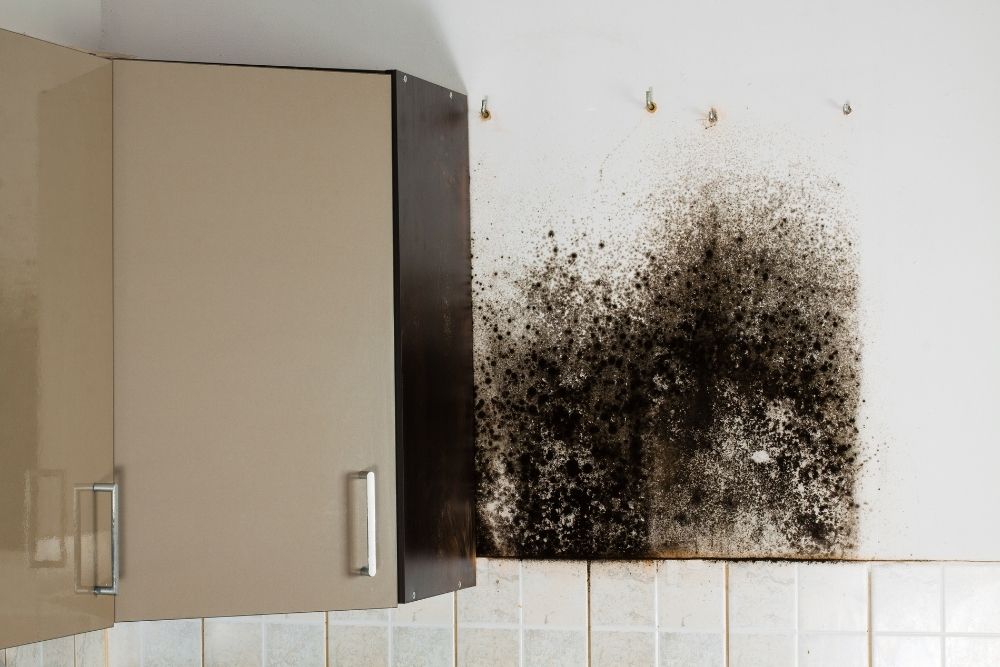
One of the most common indicators is a persistent musty smell. Mold often produces a damp, earthy odor that becomes stronger in enclosed spaces such as basements, bathrooms, and crawl spaces. Visible discoloration on walls or ceilings may also signal hidden moisture problems.
Water stains, peeling paint, bubbling wallpaper, or warped flooring can indicate excess moisture behind surfaces. Condensation around windows or pipes may further increase the risk of mold growth. In some cases, mold appears as black, green, or dark brown patches that spread gradually over time.
Why Professional Mold Removal Matters
Many homeowners attempt to remove mold themselves using bleach or household cleaners. While small spots on hard surfaces may appear manageable, deeper contamination often remains hidden beneath walls, flooring, or insulation. Improper cleaning can also spread mold spores to other areas of the property.
Professional mold specialists use advanced equipment and containment methods to safely remove contamination and improve indoor air quality. They also identify the underlying moisture source to help prevent future growth.
The mold remediation process typically includes inspection, moisture control, containment, air filtration, removal of damaged materials, cleaning, sanitizing, and restoration. These procedures are designed to reduce exposure risks and eliminate mold at the source.
Disturbing mold without proper protection may release large amounts of spores into the air. This can worsen contamination and increase health risks for occupants. Professional remediation helps ensure the problem is addressed thoroughly rather than temporarily covered up.
Preventing Black Mold Growth in the Future
Preventing mold growth starts with moisture control. Since mold thrives in damp conditions, reducing humidity and fixing water problems quickly are the most effective ways to stop growth before it spreads.
Homeowners should repair plumbing leaks, roof damage, and foundation cracks as soon as possible. Bathrooms and kitchens should have proper ventilation to reduce indoor humidity. Dehumidifiers may also help in basements or humid climates where moisture buildup is common.
After flooding or water damage, affected materials should be dried within 24 to 48 hours whenever possible. Wet carpets, drywall, and insulation may require replacement if moisture persists. Regular inspections around windows, pipes, and appliances can help detect small leaks early.
Conclusion
Black mold symptoms can range from mild allergic reactions to serious respiratory and neurological concerns. Common signs include coughing, sneezing, headaches, skin irritation, fatigue, and worsening asthma symptoms. Mold growth often develops in damp environments caused by leaks, flooding, or poor ventilation. Identifying these warning signs early and resolving moisture issues quickly can help prevent larger health and structural problems.
Professional mold remediation is often the safest and most effective solution for removing contamination and restoring indoor air quality. If you suspect mold growth in your home or business, contact JGW Group Water Damage Restoration in Las Vegas for expert assistance. Their experienced team provides reliable inspections, cleanup, and restoration services to help protect your property and health. Call 725-525-3122 today for fast and professional support.