Sewage backups are more than just unpleasant and messy. They can pose serious health risks to homeowners and business owners if not handled properly. When dealing with contaminated water, professional sewage cleanup is critical to protect your health, property, and indoor environment. Sewage water contains harmful bacteria, viruses, parasites, and toxic contaminants that can quickly spread throughout a home or building. Even minor exposure can potentially lead to illnesses and infections.
Understanding the dangers of sewage exposure matters because many people underestimate how hazardous contaminated water can be. Whether caused by a clogged drain, storm flooding, or a sewer line backup, immediate action is necessary. In this blog, we’ll explain how sewage water can make you sick, common symptoms of exposure, the hidden dangers of contamination, and why professional restoration services are the safest solution.
What Is Sewage Water?
Sewage water, often called black water, is highly contaminated wastewater that comes from toilets, septic systems, and sewer backups. Unlike clean water from broken pipes, sewage contains dangerous microorganisms and waste materials that can severely affect human health. Once sewage enters a property, it contaminates flooring, walls, furniture, and even the air quality inside the building.
Exposure can happen through direct contact, inhalation, or accidental ingestion. This is why fast response and proper sanitation are essential. Sewage contamination spreads quickly and becomes more hazardous the longer it sits untreated. Many people think they can clean it themselves using household cleaners, but sewage requires specialized equipment and disinfecting procedures to ensure complete decontamination.
Professional restoration teams use protective gear, industrial drying equipment, and hospital-grade disinfectants to safely remove contaminated materials. Ignoring sewage problems can lead to long-term structural damage and serious health concerns. Understanding what sewage water contains is the first step toward protecting yourself and your family from harmful exposure.
Why Sewage Water Is Dangerous to Human Health
Sewage water is dangerous because it contains harmful pathogens that thrive in contaminated environments. Bacteria like E. coli, Salmonella, and Shigella are commonly found in sewage and can cause severe gastrointestinal illnesses. Viruses and parasites may also be present, increasing the risk of infections and respiratory issues.
One of the biggest concerns is that contamination is not always visible. Microscopic organisms can remain on surfaces long after water appears to be cleaned. Mold growth can also begin within 24 to 48 hours after water exposure, creating additional respiratory hazards. This makes professional sewage cleanup especially important after any sewage backup or flooding event.
People with weakened immune systems, children, and elderly individuals are at higher risk of complications from sewage exposure. Even brief contact can lead to symptoms such as nausea, diarrhea, skin irritation, headaches, and fever. In severe cases, untreated exposure can result in hospitalization.
The danger extends beyond direct contact. Airborne contaminants can circulate throughout the property, affecting indoor air quality. This is why complete sanitization and moisture removal are necessary after any sewage-related incident.
Common Illnesses Caused by Sewage Exposure
Sewage exposure can lead to several different illnesses depending on the level and duration of contact. Gastrointestinal infections are among the most common. These illnesses often cause stomach pain, vomiting, diarrhea, and dehydration. Harmful bacteria from contaminated water can enter the body through the mouth, nose, or open cuts.
Skin infections are also common after contact with sewage water. Rashes, irritation, and bacterial infections may develop if contaminated water touches exposed skin. People with existing wounds are especially vulnerable because bacteria can easily enter the bloodstream.
Respiratory problems may occur when mold spores and airborne contaminants spread through the air. Inhaling these particles can trigger asthma attacks, coughing, breathing difficulties, and sinus infections. Prolonged exposure can worsen chronic respiratory conditions and create long-term indoor air quality issues.
In some cases, sewage exposure may result in serious diseases such as hepatitis A, leptospirosis, and parasitic infections. These conditions may require medical treatment and can become severe if ignored. Fast cleanup and proper disinfection are essential for reducing the risk of illness after a sewage backup or flood.
Signs That Sewage Contamination May Be Affecting You
Sometimes the signs of sewage exposure are immediate, while other times symptoms may take days to appear. Common early warning signs include headaches, fatigue, nausea, dizziness, and skin irritation. If multiple people in a household begin experiencing similar symptoms after a sewage backup, contamination may be the cause.
Foul odors are another major indicator of sewage problems. Persistent sewer smells often signal hidden contamination inside walls, flooring, or drains. Even if visible water is gone, bacteria and moisture can remain trapped beneath surfaces. This can lead to ongoing health concerns if not professionally treated.
Respiratory symptoms such as coughing, sneezing, and shortness of breath may also develop due to airborne contaminants and mold growth. Individuals with asthma or allergies are especially sensitive to poor indoor air quality caused by sewage damage.
How Sewage Backups Happen
Sewage backups can happen for many different reasons, and they often occur unexpectedly. One common cause is clogged sewer lines. Grease buildup, tree roots, paper products, and debris can block pipes and force wastewater back into homes or businesses. Older plumbing systems are especially vulnerable to these issues.
Heavy rainstorms and flooding can also overwhelm municipal sewer systems. When sewer systems become overloaded, contaminated water may back up through drains, toilets, and sinks. This creates dangerous conditions inside the property and requires immediate cleanup.
Broken sewer pipes are another major cause of contamination. Cracks, corrosion, or shifting soil can damage underground lines and allow sewage to leak into buildings. Poor maintenance and aging infrastructure often contribute to these problems over time.
Why DIY Sewage Cleanup Is Risky
Many homeowners attempt to clean sewage damage themselves, but DIY cleanup can be extremely risky. Household cleaning products are often not strong enough to eliminate dangerous bacteria and viruses found in sewage water. Without proper protective equipment, direct exposure can easily occur during the cleanup process.
Contaminated water can seep into flooring, drywall, insulation, and furniture. Even if surfaces appear dry, harmful microorganisms may still remain hidden beneath materials. This hidden contamination can continue spreading odors, mold, and bacteria throughout the property.
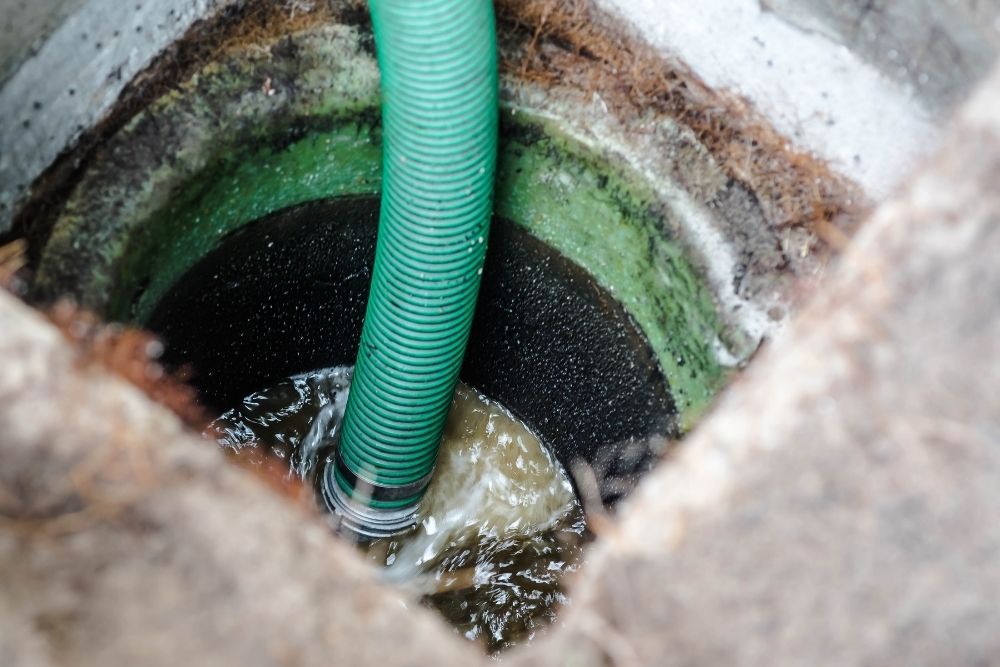
Professional restoration companies follow strict safety procedures to ensure complete sanitation. Technicians use industrial pumps, moisture detection tools, air scrubbers, and specialized disinfectants to remove contaminants effectively. They also know how to safely dispose of hazardous materials according to health regulations.
How Professional Sewage Cleanup Protects Your Property
Professional sewage restoration involves much more than removing standing water. The process starts with a detailed inspection to identify all affected areas and contamination levels. Restoration teams then isolate contaminated spaces to prevent bacteria and airborne particles from spreading throughout the property.
Water extraction equipment removes sewage quickly, while industrial drying systems eliminate hidden moisture inside walls and flooring. Thorough disinfection is essential to kill bacteria, viruses, and mold spores that may remain after water removal.
Odor removal is another important part of the restoration process. Sewage odors can linger for weeks if contamination is not fully addressed. Professional-grade air filtration and deodorizing treatments help restore clean indoor air quality.
Using professional sewage cleanup services also helps protect the structural integrity of your home or business. Untreated moisture can weaken wood, drywall, and flooring materials over time. Fast restoration minimizes permanent damage and reduces repair costs. Most importantly, it ensures the environment is safe for your family, employees, or customers.
How to Prevent Sewage Backups and Contamination
Preventing sewage backups starts with regular plumbing maintenance. Avoid flushing wipes, paper towels, grease, and other materials that can clog sewer lines. Even products labeled as “flushable” can contribute to pipe blockages over time.
Routine sewer inspections can identify problems before they become major emergencies. Tree roots, aging pipes, and minor cracks can often be repaired early, preventing costly backups later. Installing a backwater valve may also help stop sewage from flowing back into your property during heavy storms.
Proper drainage around your property is equally important. Gutters, downspouts, and landscaping should direct water away from the foundation to reduce pressure on sewer systems. Keeping drains clean and monitoring for slow drainage can also help detect issues early.
Conclusion
Sewage water can absolutely make you sick if exposure is not handled quickly and properly. Contaminated water contains harmful bacteria, viruses, mold, and toxic waste that can lead to serious health issues and property damage. From respiratory problems to gastrointestinal illnesses, the risks are too severe to ignore. Fast response and professional cleanup are essential for restoring a safe and healthy environment.
If you are dealing with sewage contamination, trust JGW Group Water Damage Restoration for reliable cleanup and restoration services in Las Vegas, NV. Their experienced team provides fast, professional solutions to protect your home or business from further damage. Call 725-525-3122 today for expert assistance with sewage cleanup and water damage restoration.