
Storms can leave behind more than visible destruction. One of the biggest hidden risks after severe weather is mold growth caused by water intrusion, flooding, and excess moisture. Many homeowners dealing with storm damage restoration issues are surprised to learn how quickly mold can spread after a storm. Even a small roof leak or water-damaged wall can create the perfect environment for mold within 24 to 48 hours.
Understanding how storm damage leads to mold is important because mold can affect your home’s structure, indoor air quality, and even your health. Whether your property experienced heavy rain, flooding, or wind damage, taking immediate action can prevent long-term problems. In this guide, we’ll explain how mold develops after storms, the warning signs to watch for, and why fast professional restoration matters.
How Storm Damage Creates the Perfect Environment for Mold
Storm damage often introduces large amounts of moisture into a property. Heavy rain, roof leaks, burst pipes, flooding, and broken windows can allow water to seep into walls, ceilings, carpets, and insulation. When these areas remain damp, mold spores begin to grow rapidly.
Mold thrives in dark, humid environments where airflow is limited. After a storm, hidden moisture behind walls or under flooring may go unnoticed for days. This trapped moisture becomes a breeding ground for mold colonies that continue spreading if not properly addressed.
Homes in humid climates are especially vulnerable because moisture evaporates more slowly. Water damage combined with warm temperatures increases the risk significantly. This is why quick drying and cleanup are essential after severe weather events.
Professional restoration teams use moisture detection equipment to identify hidden water damage. Without proper drying, homeowners may think the property is safe while mold continues developing out of sight.
Common Types of Storm Damage That Lead to Mold
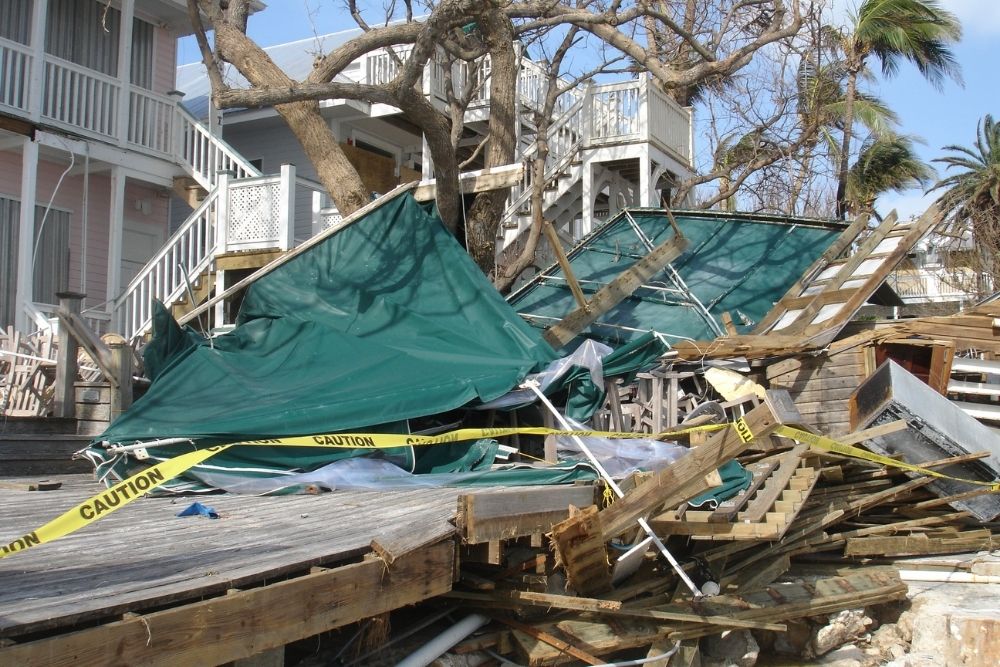
Not all storm damage affects homes the same way. Some forms of damage create a higher risk for mold growth than others. Roof leaks are among the most common causes because water can drip into attics, insulation, and drywall without immediate detection.
Flooding is another major contributor. Floodwater saturates floors, furniture, and walls, leaving behind moisture and contaminants. Even after visible water is removed, materials can remain damp internally for days.
Wind damage can also increase mold risk. Broken windows, damaged siding, or missing shingles allow rainwater to enter the property. Once moisture gets inside, mold growth becomes possible if repairs are delayed.
Another overlooked issue is clogged gutters and drainage problems after storms. Poor drainage can cause water to collect around foundations, eventually seeping into basements and crawl spaces. These areas are naturally humid and highly susceptible to mold growth.
Understanding the source of the damage helps determine the best restoration strategy and reduces the likelihood of recurring mold problems.
How Quickly Can Mold Grow After a Storm?
One of the most alarming facts about mold is how quickly it can begin growing after water exposure. In many cases, mold starts developing within 24 to 48 hours after storm damage occurs.
The speed of growth depends on several factors, including humidity levels, temperature, ventilation, and the type of materials affected. Porous materials like drywall, carpet, wood, and insulation absorb moisture easily, accelerating mold development.
Initially, mold may appear as small dark spots or discoloration. Over time, it spreads across surfaces and into hidden areas. By the time homeowners notice a musty smell, mold colonies may already be extensive.
Fast response is critical during the early stages of water damage. Immediate drying, dehumidification, and sanitation help reduce moisture levels before mold has a chance to spread.
This is why many storm damage restoration professionals recommend emergency mitigation services immediately after severe weather. Acting quickly can save homeowners thousands of dollars in future remediation costs.
Signs of Mold After Storm Damage
Mold is not always visible right away. In many cases, it develops behind walls, under flooring, or inside HVAC systems. However, there are several warning signs homeowners should never ignore after a storm.
A musty or damp odor is often the earliest indicator of hidden mold. If a home smells earthy or stale after water damage, mold may already be present. Visible discoloration on walls or ceilings is another common sign.
Peeling paint, warped flooring, and bubbling drywall may indicate trapped moisture beneath surfaces. Condensation on windows or excessive indoor humidity can also suggest unresolved water issues.
Health symptoms sometimes appear before visible mold does. Residents may experience coughing, sneezing, headaches, itchy eyes, or respiratory irritation due to airborne mold spores.
Regular inspections after severe weather are important because mold can spread unnoticed for weeks. Identifying problems early allows for quicker remediation and prevents further structural damage.
Health Risks Associated With Mold Exposure
Mold exposure can affect indoor air quality and create health concerns for occupants. While some people experience mild irritation, others may develop more serious respiratory issues.
Common symptoms include coughing, wheezing, congestion, throat irritation, and skin irritation. Individuals with asthma, allergies, or weakened immune systems are often more sensitive to mold exposure.
Children and elderly adults may also face increased health risks when living in mold-contaminated environments. Prolonged exposure can worsen existing respiratory conditions and contribute to chronic discomfort.
Certain types of mold produce allergens and irritants that circulate through the air. When mold grows inside HVAC systems, spores can spread throughout the property and affect multiple rooms.
Because health risks vary depending on the extent of contamination, professional mold inspections are recommended after major water damage. Proper remediation improves indoor air quality and helps restore a safer living environment.
Why Professional Water Removal Is Important
Removing visible water is only part of the restoration process. Moisture often becomes trapped inside building materials where it cannot be seen without specialized equipment.
Professional restoration companies use industrial-grade dehumidifiers, air movers, and moisture meters to ensure thorough drying. These tools help eliminate hidden moisture that can eventually lead to mold growth.
DIY cleanup methods may remove surface water but fail to address deeper saturation. Carpet padding, insulation, and drywall can retain moisture long after the area appears dry.
Professionals also sanitize affected areas to reduce bacteria and microbial contamination caused by floodwater. This is especially important after sewage backups or contaminated storm flooding.
Proper drying techniques significantly reduce the risk of future mold outbreaks. Investing in professional restoration services immediately after a storm often prevents larger structural and health-related problems later on.
Preventing Mold After Storm Damage
Preventing mold begins with rapid response. Homeowners should address water intrusion immediately after storms to minimize moisture exposure.
Start by removing standing water as quickly as possible. Open windows, improve ventilation, and use fans or dehumidifiers to reduce humidity levels indoors. Wet materials such as carpeting and insulation may need replacement if they cannot dry properly.
Roof inspections are also essential after severe weather. Small leaks can allow water into attics and ceilings without obvious signs at first. Checking gutters, siding, and drainage systems helps prevent future water intrusion.
Routine maintenance plays a major role in mold prevention. Sealing cracks, repairing leaks, and ensuring proper drainage around the property reduce long-term moisture risks.
When water damage is extensive, professional restoration services provide the safest and most effective solution. Early mitigation remains the best defense against serious mold contamination.
When to Call a Storm Damage Restoration Company
Not all water damage can be handled alone. If flooding, roof leaks, or structural damage occurred after a storm, contacting a professional restoration company is often necessary.
Experts can assess the extent of water intrusion, identify hidden moisture, and create a complete drying plan. Many restoration companies also provide mold inspections and remediation services when contamination is present.
Insurance claims may also require documentation of the damage and restoration process. Professional teams can assist homeowners by providing detailed reports and supporting evidence for claims.
Delaying restoration increases the risk of mold growth, structural weakening, and higher repair costs. Fast action protects both the property and the health of occupants.
Choosing an experienced team for storm damage restoration ensures the property is properly cleaned, dried, and restored following severe weather events.
Conclusion
Storms can absolutely lead to mold growth when water damage is not addressed quickly and properly. Roof leaks, flooding, excess humidity, and hidden moisture all create ideal conditions for mold to spread throughout a home or business. Acting fast after severe weather helps minimize structural damage, protect indoor air quality, and reduce health risks associated with mold exposure.
If you need professional help with water removal, drying, or mold prevention, contact JGW Group Water Damage Restoration in Las Vegas, NV. Their experienced team provides reliable restoration services designed to protect your property after severe weather. Call 725-525-3122 today for fast assistance with storm and water damage restoration needs.