
Water damage can quickly turn into a much bigger problem when moisture is left untreated for too long. One of the most common and dangerous consequences is mold growth. Whether caused by leaking pipes, roof leaks, flooding, or storm damage, excess moisture creates the perfect environment for mold to spread throughout a property. That is why immediate Water Damage Restoration is essential for protecting both your home and your health.
Mold can begin growing within 24 to 48 hours after water exposure, especially in warm and humid areas. Once mold develops, it can damage walls, flooring, furniture, and even indoor air quality. Understanding how water damage leads to mold can help homeowners act quickly before the situation becomes more severe. In this blog, we will explain the connection between water damage and mold, the warning signs to watch for, and how professional restoration services can help prevent long-term damage.
How Water Damage Creates the Perfect Environment for Mold
Mold thrives in damp and humid conditions. When water enters a property due to flooding, plumbing leaks, or storm damage, moisture becomes trapped inside building materials like drywall, wood, carpet, and insulation. These materials absorb water quickly, creating the ideal conditions for mold spores to grow and spread.
Even small amounts of water damage can become a major issue if not properly dried. Hidden moisture behind walls or beneath flooring often goes unnoticed for days. During that time, mold colonies can begin forming and multiplying rapidly. Once mold spreads, it becomes much more difficult and expensive to remove.
Professional restoration experts use specialized equipment to detect hidden moisture and dry affected areas completely. Fast response is critical because mold can begin developing in as little as one to two days after water exposure. Preventing mold starts with immediate cleanup and proper drying techniques.
Common Causes of Water Damage That Lead to Mold
Many different situations can cause water damage inside a property. Plumbing leaks are one of the most common causes, especially when pipes burst or slowly drip behind walls. Roof leaks during heavy rainstorms can also allow water to enter attics and ceilings, creating hidden moisture buildup.
Flooding from storms or overflowing appliances is another major source of water damage. Washing machines, water heaters, and dishwashers can unexpectedly leak large amounts of water into surrounding areas. When water remains untreated, mold growth becomes highly likely.
Air conditioning systems can also contribute to mold problems if condensation is not draining properly. In humid climates, excess moisture indoors increases the risk even more. Regardless of the cause, quick action is important to stop water from soaking into materials and encouraging mold growth throughout the property.
How Quickly Can Mold Grow After Water Damage?
Mold growth can happen faster than many homeowners realize. In most cases, mold spores begin developing within 24 to 48 hours after water exposure. Warm temperatures, humidity, and poor ventilation can speed up the process significantly.
At first, mold may appear as small dark spots on walls, ceilings, or flooring. However, it can spread rapidly behind surfaces where moisture remains trapped. Once mold reaches porous materials such as drywall or carpet, it often becomes difficult to fully remove without professional help.
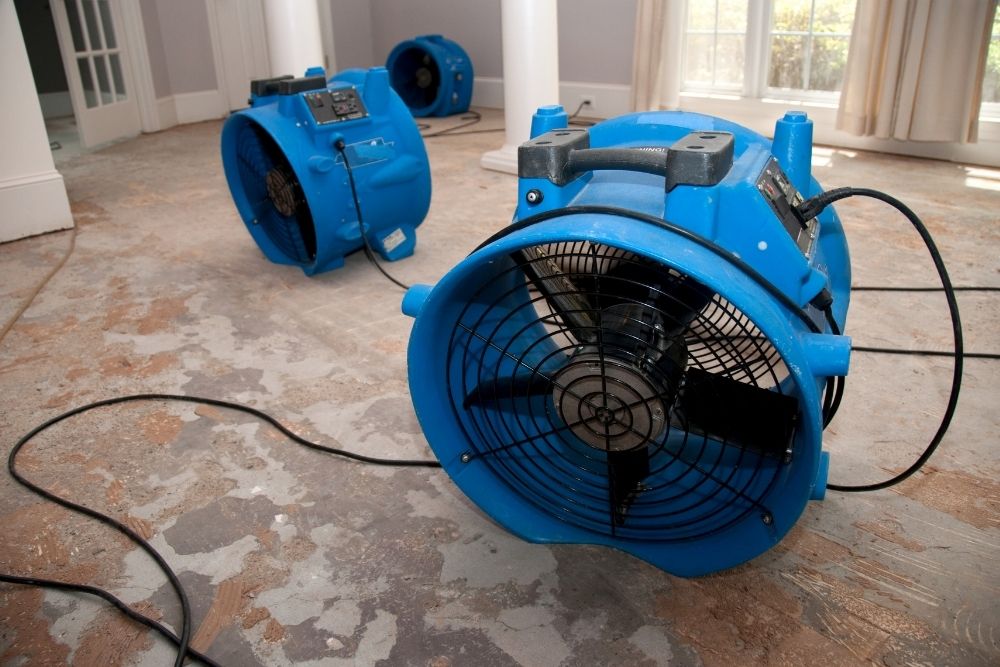
Delaying cleanup after water damage increases the risk of structural damage and health concerns. Immediate drying and dehumidification are essential to stopping mold before it spreads. Professional restoration companies use industrial equipment to remove moisture quickly and reduce the chance of contamination.
Health Risks Associated With Mold Exposure
Mold growth caused by water damage can negatively impact indoor air quality and health. Mold spores become airborne and circulate throughout the property, potentially causing respiratory irritation and allergic reactions.
People with asthma, allergies, or weakened immune systems may experience more severe symptoms. Common signs of mold exposure include coughing, sneezing, headaches, itchy eyes, skin irritation, and difficulty breathing. Long-term exposure can worsen respiratory conditions and create ongoing health concerns.
Children and elderly individuals are especially vulnerable to mold-related illnesses. This is why mold prevention should always be treated as a priority after any water damage incident. Removing excess moisture quickly helps protect the health and safety of everyone inside the property.
Warning Signs of Mold After Water Damage
There are several signs homeowners should watch for after experiencing water damage. One of the most noticeable indicators is a musty or damp odor that lingers inside the property. This smell often signals hidden mold growth behind walls or beneath flooring.
Visible discoloration on ceilings, walls, or carpets may also indicate mold development. Mold can appear black, green, brown, or white depending on the type and severity of the contamination. Peeling paint, warped flooring, or bubbling drywall can also suggest trapped moisture inside the structure.
Another warning sign is persistent allergy-like symptoms that worsen indoors. If occupants begin experiencing respiratory irritation after water damage, mold could be present even if it is not immediately visible. Early detection is important for minimizing damage and preventing larger restoration issues.
Why DIY Cleanup Is Not Always Enough
Many homeowners attempt to clean up water damage themselves using fans, towels, or household cleaners. While small spills can often be managed at home, larger water damage incidents usually require professional equipment and expertise.
Surface drying alone may not eliminate hidden moisture trapped behind walls or under flooring. If moisture remains, mold can continue growing out of sight even after the visible water appears gone. Household cleaning products also may not completely remove mold contamination.
Professional restoration teams use moisture meters, industrial dehumidifiers, and air movers to fully dry affected areas. They also follow proper containment procedures to prevent mold spores from spreading throughout the property. Investing in professional restoration services can help avoid more serious damage and costly repairs later.
The Importance of Immediate Water Damage Restoration
Fast response is one of the most important factors in preventing mold growth after water damage. The longer moisture remains inside a property, the greater the risk of structural damage and contamination.
Professional Water Damage Restoration services focus on rapid water extraction, drying, and moisture control. Technicians inspect affected areas carefully to identify hidden water and ensure complete drying. This process helps stop mold growth before it becomes a major issue.
Restoration professionals also sanitize and deodorize affected areas to improve indoor air quality. Acting quickly not only protects your property but also reduces repair costs and health risks. Early intervention can make a significant difference in the overall recovery process.
How Professionals Prevent Mold During Restoration
Professional restoration companies follow a detailed process to minimize mold risks after water damage. The first step is removing standing water as quickly as possible using powerful extraction equipment. Once excess water is removed, industrial fans and dehumidifiers are used to dry the area thoroughly.
Moisture detection tools help identify hidden dampness inside walls, ceilings, and flooring. Technicians monitor humidity levels carefully to ensure complete drying before repairs begin. In some cases, antimicrobial treatments are applied to prevent mold spores from growing.
Proper ventilation and containment are also important during restoration. These measures help stop mold particles from spreading to unaffected areas of the property. Professional restoration methods provide a safer and more effective solution compared to basic household cleanup techniques.
Preventing Future Mold Problems After Water Damage
Preventing future mold growth requires ongoing moisture control and regular maintenance. Homeowners should inspect plumbing systems, roofs, and appliances routinely for leaks or signs of water intrusion. Addressing small issues early can prevent major restoration problems later.
Improving ventilation inside bathrooms, kitchens, and laundry areas can also reduce indoor humidity levels. Using dehumidifiers in damp spaces helps keep moisture under control. Promptly repairing leaks and drying wet areas immediately are key steps for mold prevention.
Scheduling professional inspections after severe storms or flooding can help identify hidden damage before mold develops. Taking preventive measures protects both the property and the health of those living inside the home.
Conclusion
Water damage can absolutely cause mold if moisture is not addressed quickly and properly. Mold growth often begins within 24 to 48 hours after water exposure, making immediate action essential. From plumbing leaks to flooding and storm damage, untreated moisture can lead to structural problems, poor indoor air quality, and serious health concerns. Professional restoration services play a critical role in removing water, drying affected areas, and preventing mold from spreading.
If you are dealing with water damage in your home or business, trust JGW Group Water Damage Restoration for fast and reliable service. Our experienced team proudly serves homeowners and businesses throughout Las Vegas, NV with professional restoration solutions designed to protect your property and your health. Call us today at 725-525-3122 for expert assistance with water damage cleanup and mold prevention.