When severe weather strikes, acting quickly can make all the difference in preventing additional damage to your property. The emergency board up process is one of the most important steps in storm damage restoration because it secures vulnerable areas such as broken windows, damaged doors, and exposed roofing. Without immediate protection, rain, wind, debris, and even trespassers can cause further destruction after the storm has passed.
Property owners in areas prone to high winds and heavy rain often face unexpected structural damage that requires urgent attention. Emergency board up services help stabilize the property while restoration professionals assess and repair the damage. Understanding how the process works can help homeowners and business owners make informed decisions during stressful situations. In this guide, we’ll explain the full emergency board up process, why it matters, and how professional restoration teams help protect your property from additional loss.
What Is the Emergency Board Up Process?
The emergency board up process involves securing damaged areas of a property immediately after a storm, fire, or accident. Restoration professionals use plywood, tarps, and protective materials to cover openings and stabilize compromised structures. This temporary protection prevents additional weather exposure and reduces safety risks while permanent repairs are being arranged.
Storms can shatter windows, tear off roofing materials, and weaken entry points. If these areas remain exposed, water intrusion can quickly spread throughout the property. Moisture entering the structure may lead to mold growth, electrical hazards, and structural deterioration. By boarding up exposed areas promptly, property owners can minimize long-term restoration costs.
Professional restoration companies also inspect the extent of the damage during the board up process. They identify urgent concerns that require immediate attention before the restoration phase begins. This proactive approach helps preserve the integrity of the building and prevents secondary issues from developing.
Why Immediate Storm Protection Matters
After severe weather, delaying protective measures can significantly increase repair expenses. Strong winds and heavy rain often leave properties vulnerable to ongoing exposure. Emergency board up services are designed to reduce the impact of these conditions and stabilize the property quickly.
One of the biggest concerns following storm damage is water intrusion. Even a small opening in the roof or walls can allow moisture to spread into insulation, drywall, flooring, and electrical systems. Over time, trapped moisture creates conditions that encourage mold growth and structural weakening. Quick action helps reduce these risks before they escalate.
Security is another major concern after a storm. Broken windows and damaged doors can leave homes and businesses exposed to theft or vandalism. Boarding up entry points protects valuables and provides peace of mind while restoration work is scheduled.
The emergency response also helps improve overall safety. Storm-damaged structures may contain unstable materials, shattered glass, or exposed wiring. Restoration professionals use protective methods to reduce hazards and create a safer environment for occupants and contractors.
Common Situations That Require Board Up Services
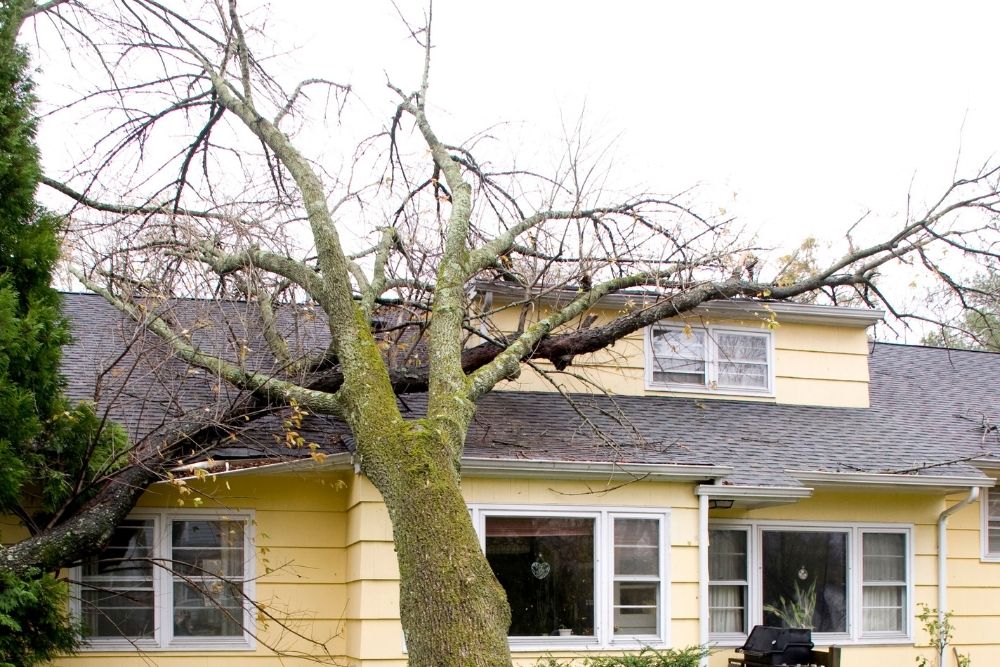
Several types of storm-related damage may require emergency board up assistance. High winds, hail, hurricanes, and severe thunderstorms can all create dangerous openings in residential and commercial properties. Understanding when these services are needed can help property owners respond more effectively.
Broken windows are among the most common issues following a storm. Flying debris can easily shatter glass, leaving interiors exposed to rain and wind. Boarding over these openings helps keep additional moisture and debris out of the property.
Roof damage is another frequent concern. Missing shingles, punctures, or partial roof collapses can allow water to enter the structure quickly. Restoration crews often use emergency tarping along with boarding methods to minimize further damage until roofing repairs are completed.
Damaged doors and garage entrances also create security and safety problems. Strong winds may bend frames or break locking mechanisms, making the property vulnerable. Temporary board up solutions help secure these access points immediately.
Commercial buildings may require additional stabilization if exterior walls or storefronts are damaged. Professional restoration teams evaluate the structural condition and apply temporary protection measures that comply with safety standards.
The Initial Inspection and Damage Assessment
Before the boarding process begins, restoration professionals perform a detailed inspection of the property. This assessment helps determine the extent of the storm damage and identify the areas that require immediate protection.
During the inspection, technicians evaluate structural integrity, water intrusion, roofing conditions, and safety hazards. They look for weakened framing, exposed electrical systems, and areas where moisture may continue spreading. Accurate documentation is essential because it helps support insurance claims and restoration planning.
The assessment also determines the materials and equipment needed for the board up process. Different situations may require plywood sheets, roof tarps, temporary fencing, or specialized supports. The goal is to create a secure barrier that protects the property from additional exposure.
Professional restoration companies prioritize safety throughout the inspection process. Damaged buildings can contain unstable structures that present risks to occupants and workers. Technicians follow proper safety protocols before entering compromised areas.
Once the evaluation is complete, the restoration team begins securing vulnerable sections of the property. Fast response times are critical because storms often leave buildings exposed to changing weather conditions.
Materials Used During the Board Up Process
The materials used in emergency board up services play an important role in protecting the property from further damage. Restoration professionals select durable materials designed to withstand temporary exposure to harsh weather conditions.
Plywood is the most commonly used material for covering broken windows and damaged entry points. Thick plywood panels are cut to fit securely over openings and anchored to the structure. This creates a strong protective barrier against rain, wind, and unauthorized access.
Heavy-duty tarps are often used to cover damaged roofing areas. These waterproof coverings help reduce water intrusion until permanent roof repairs can be completed. Proper installation is essential to prevent tarps from shifting during strong winds.
Fasteners, braces, and temporary supports may also be used to stabilize weakened structures. In some cases, restoration crews install protective barriers around hazardous areas to improve safety during cleanup and repairs.
Professional restoration teams understand how to apply these materials correctly without causing unnecessary damage to the property. Improper installation can worsen structural problems or create additional repair costs later.
How Board Up Services Help Prevent Secondary Damage
One of the primary goals of emergency board up services is preventing secondary damage after the initial storm event. Secondary damage refers to problems that develop because the property was left exposed after the original incident occurred.
Water intrusion is one of the most damaging secondary issues. Rain entering through broken windows or damaged roofs can soak building materials and create hidden moisture problems. Over time, this can lead to wood rot, weakened drywall, and mold growth throughout the structure.
Temperature fluctuations can also affect exposed properties. Openings in the building envelope allow outside air and humidity to impact interior conditions, potentially damaging furniture, electronics, and other belongings.
Pest intrusion is another concern. Damaged structures may attract rodents, insects, or wildlife seeking shelter. Boarding up vulnerable areas helps prevent infestations while restoration work is underway.
Professional board up services also reduce liability risks by restricting access to unsafe areas. This is especially important for commercial properties where public safety must be considered.
Choosing a Professional Restoration Company
Selecting the right restoration company is essential during emergency situations. Experienced professionals understand the urgency of storm damage and know how to respond quickly and safely.
A reliable restoration company should provide 24/7 emergency services because storms can happen at any time. Fast response helps minimize additional damage and allows the property to be secured immediately. Companies with trained technicians and specialized equipment are better prepared to handle complex restoration situations.
Property owners should also look for licensed and insured restoration providers. Proper certifications demonstrate that the company follows industry standards and safety procedures during the board up and restoration process.
Clear communication is another important factor. Restoration professionals should explain the damage assessment, outline the emergency response plan, and provide guidance regarding insurance documentation.
Conclusion
The emergency board up process is a critical step in protecting homes and businesses after severe weather causes damage. By securing broken windows, damaged doors, and exposed roofing, restoration professionals help prevent additional water intrusion, structural issues, and security risks. Fast action can significantly reduce long-term repair costs and improve safety during the recovery process.
Understanding how emergency board up services work allows property owners to respond quickly and confidently during difficult situations. From the initial inspection to temporary protection and stabilization, every step plays an important role in successful storm recovery.
If you need professional assistance after a storm, contact JGW Group Water Damage Restoration in Las Vegas, NV. Their experienced team provides reliable emergency response and storm damage restoration services to help protect your property. Call 725-525-3122 for immediate support and expert restoration assistance.