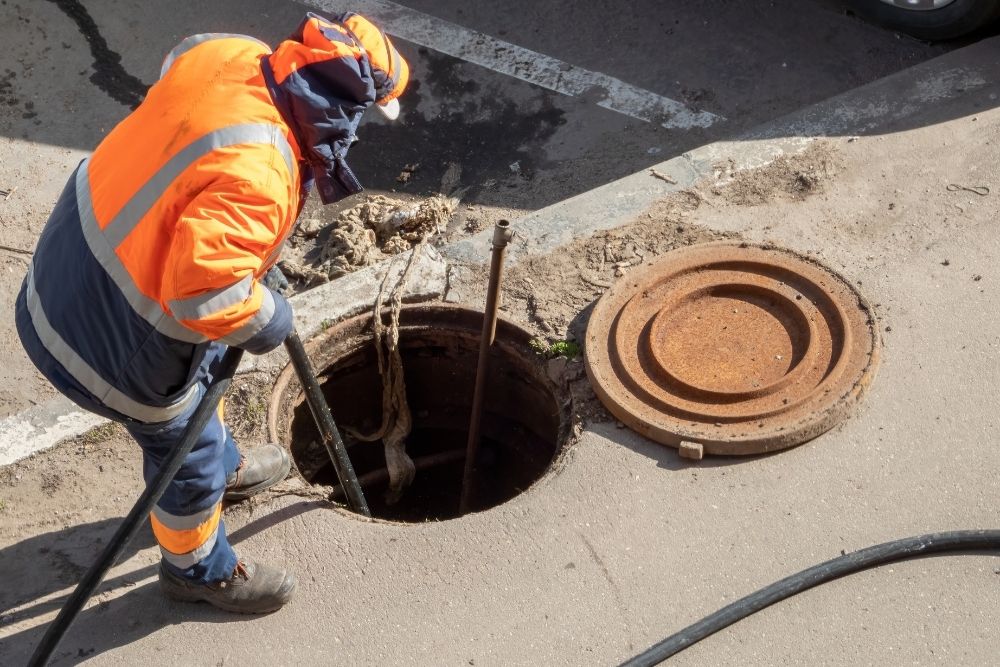
Sewage backups are more than just unpleasant household emergencies. They create serious sanitation concerns that can affect your health, property, and overall safety. When contaminated water enters a home or business, immediate sewage cleanup becomes critical to prevent exposure to harmful bacteria, viruses, and toxic substances. Many property owners underestimate how dangerous sewage exposure can be until symptoms or structural damage begin to appear.
A sewage backup can happen because of clogged drains, damaged sewer lines, flooding, or aging plumbing systems. Regardless of the cause, the contaminated water often contains dangerous microorganisms that spread quickly throughout floors, walls, furniture, and air systems. Without professional restoration, these hazards can linger long after the visible mess is gone.
Understanding the health risks associated with sewage backups helps homeowners and business owners respond quickly and safely. In this guide, we’ll explore the most common dangers of sewage contamination, the impact on indoor environments, and why prompt professional cleanup is essential.
Exposure to Harmful Bacteria and Viruses
One of the most serious dangers of a sewage backup is exposure to harmful bacteria and viruses. Raw sewage contains waste from toilets, drains, and other contaminated sources. This wastewater often carries pathogens such as E. coli, salmonella, hepatitis A, and norovirus. Even brief exposure can create severe health complications for people living or working in the affected property.
Direct contact with contaminated water can occur through skin exposure, inhalation, or accidental ingestion. Children, elderly individuals, and people with weakened immune systems face a higher risk of infection because their bodies are less capable of fighting dangerous bacteria. Symptoms may include nausea, diarrhea, fever, stomach cramps, and respiratory irritation.
Professional ssewage cleanup helps reduce these risks by removing contaminated materials and disinfecting affected surfaces properly. Attempting to clean sewage without the right protective equipment can increase exposure and spread contamination to other parts of the property. Fast action is essential to protect the health of everyone inside the building.
Respiratory Problems Caused by Contaminated Air
Sewage contamination can significantly impact indoor air quality. As wastewater sits inside a property, it releases harmful gases and airborne contaminants into the environment. Mold spores, bacteria, and toxic particles may circulate through air vents and HVAC systems, increasing the risk of respiratory issues.
People exposed to contaminated air often experience coughing, wheezing, throat irritation, headaches, and shortness of breath. Individuals with asthma or existing respiratory conditions may suffer more severe reactions. Prolonged exposure to airborne contaminants can create long-term health concerns if the environment is not restored properly.
Moisture left behind after a sewage backup also creates the ideal environment for mold growth. Mold can begin developing within 24 to 48 hours, especially in humid areas. Once mold spreads, it becomes even harder to maintain healthy indoor air quality.
Professional restoration teams use specialized drying equipment, air scrubbers, and sanitation procedures to improve air safety during the cleanup process. Addressing both moisture and contamination is critical for restoring a healthy indoor environment.
Skin Irritation and Infections
Physical contact with sewage-contaminated water can cause painful skin irritation and infections. Raw sewage contains chemicals, bacteria, and parasites that may enter the body through cuts, scrapes, or even healthy skin after prolonged exposure.
Common symptoms include redness, itching, rashes, swelling, and skin inflammation. In more severe cases, infections can develop and require medical attention. People handling contaminated materials without gloves or protective clothing are especially vulnerable to these risks.
Sewage-contaminated items such as carpets, upholstery, drywall, and flooring can continue harboring bacteria even after they appear dry. This makes proper removal and disinfection extremely important. Simply wiping surfaces or using household cleaning products is usually not enough to eliminate dangerous contaminants.
Professional restoration specialists follow strict sanitation procedures to ensure affected materials are either properly cleaned or safely removed. Taking the right steps early can help prevent health complications and further contamination throughout the property.
The Risk of Mold Growth After Sewage Backup
Moisture from sewage backups creates ideal conditions for mold growth. When contaminated water soaks into walls, flooring, insulation, and furniture, mold can begin spreading rapidly. In many cases, property owners may not notice mold development until it becomes widespread and affects indoor air quality.
Exposure to mold can trigger allergic reactions, respiratory discomfort, sinus congestion, and headaches. Individuals with asthma or compromised immune systems are especially sensitive to mold exposure. Long-term mold problems can also increase the risk of chronic respiratory issues if not addressed quickly.
Because sewage water contains organic waste, it provides nutrients that help mold thrive even faster. Hidden moisture behind walls and under flooring often allows mold colonies to expand unnoticed for weeks. This is why thorough drying and inspection are critical after a sewage incident.
Experienced restoration professionals use moisture detection equipment and industrial drying systems to reduce hidden moisture and prevent mold growth. Proper cleanup not only removes visible contamination but also helps protect the property from long-term environmental damage.
Emotional Stress and Mental Health Concerns
A sewage backup can create emotional stress in addition to physical health risks. Many homeowners feel overwhelmed when dealing with contaminated living spaces, damaged belongings, and unexpected repair costs. The smell, appearance, and disruption caused by sewage damage can make the situation emotionally exhausting.
Living in an unsafe environment often increases anxiety and stress levels. Families may need to temporarily leave their homes during restoration, which can interrupt work schedules, school routines, and daily life. The uncertainty surrounding repairs and health concerns may also affect mental well-being.
In severe cases, prolonged exposure to stressful living conditions can contribute to sleep problems, emotional fatigue, and frustration. The emotional toll becomes even greater when sentimental belongings or valuable property are permanently damaged.
Fast professional restoration helps reduce these burdens by restoring safety and reducing the time needed for recovery. Knowing the contamination has been properly cleaned and sanitized provides peace of mind for property owners during a difficult situation.
Cross-Contamination Throughout the Property
Sewage contamination spreads quickly throughout a property if not handled correctly. Water can move through flooring, walls, and ventilation systems, carrying bacteria and hazardous particles into clean areas. Even walking through affected spaces may spread contaminants to unaffected rooms.
Cross-contamination often occurs when individuals attempt DIY cleaning without proper containment procedures. Using household vacuums or fans may spread bacteria and airborne particles further into the building. Furniture, clothing, and personal belongings can also become contaminated if exposed to sewage water.
Professional sewage cleanup involves isolating contaminated areas to prevent bacteria from spreading during restoration. Restoration teams use protective barriers, air filtration systems, and specialized cleaning methods to minimize contamination risks.
Structural Damage and Hidden Hazards
Sewage backups do more than affect health. They can also weaken structural components within a property. Water saturation damages drywall, insulation, flooring, wooden framing, and electrical systems. Over time, this moisture may compromise the integrity of the building.
Hidden damage often develops behind walls or underneath flooring where moisture becomes trapped. If ignored, weakened materials may rot, warp, or deteriorate further. Electrical hazards can also develop when contaminated water reaches wiring outlets or appliances.
The combination of contamination and structural damage creates additional safety concerns for occupants. Floors may become unstable, while hidden moisture continues fueling mold growth and bacterial contamination.
Professional inspections help identify damage that may not be visible immediately after a sewage backup. Restoration experts can determine which materials need removal, sanitation, or replacement to ensure the property remains safe and structurally sound.
Why Professional Sewage Cleanup Matters
Sewage contamination should never be treated like ordinary water damage. The health risks associated with bacteria, viruses, mold, and contaminated materials require specialized cleaning procedures. Professional restoration companies have the training, equipment, and protective gear needed to safely manage hazardous wastewater situations.
Attempting DIY sewage cleanup may place homeowners at greater risk of illness or incomplete sanitation. Without industrial-grade drying equipment and disinfectants, harmful contaminants can remain hidden inside walls, flooring, and furniture. This may lead to recurring odors, mold growth, or long-term health problems.
Professional cleanup teams follow industry-approved safety standards to restore contaminated properties properly. They remove damaged materials, disinfect surfaces, improve air quality, and ensure moisture levels are fully controlled.
Conclusion
Sewage backups create serious health and safety risks that should never be ignored. Exposure to contaminated water can lead to bacterial infections, respiratory issues, skin irritation, mold growth, and emotional stress. In addition to health concerns, sewage contamination may also damage the structural integrity of a property and spread hazardous bacteria throughout the environment.
Taking immediate action is the best way to protect your home, business, and family from long-term damage. Professional cleanup services ensure contaminated materials are removed safely while restoring healthy indoor conditions.
If you need trusted restoration services in Las Vegas, NV, contact JGW Group Water Damage Restoration. Their experienced team provides fast and professional sewage cleanup and water damage restoration services to help restore your property safely. Call 725-525-3122 today for immediate assistance.