Sewage cleanup should happen immediately after contamination is discovered. The longer sewage water sits inside a home or business, the greater the damage becomes. Contaminated water can quickly soak into flooring, drywall, furniture, and structural materials, creating serious health hazards and expensive repairs. Fast action helps prevent bacteria growth, mold development, and permanent property damage.
Many property owners underestimate how dangerous sewage exposure can be. Raw sewage contains harmful bacteria, viruses, and toxic contaminants that can affect indoor air quality and personal health. Professional sewage cleanup services use specialized equipment, protective gear, and disinfecting solutions to restore affected spaces safely. Understanding how fast to clean sewage water can help homeowners avoid major restoration costs and reduce health risks for their families or employees.
Why Immediate Sewage Cleanup Matters
When sewage water enters a property, time becomes the most important factor. Contaminated water begins spreading bacteria almost immediately, especially in warm indoor environments. Within hours, moisture can seep beneath flooring, into walls, and inside insulation, making cleanup far more difficult. Delayed restoration increases the risk of mold growth and structural deterioration.
Professional restoration companies recommend starting sewage cleanup within the first 24 hours whenever possible. Fast response reduces contamination levels and limits how much material must be removed or replaced. Carpets, drywall, and wood surfaces are especially vulnerable to sewage damage because they absorb moisture quickly.
Health risks also increase over time. Sewage water often contains dangerous pathogens that can trigger respiratory issues, infections, and allergic reactions. Children, elderly individuals, and people with weakened immune systems face even greater risks after exposure. Immediate cleanup helps create a safer environment and minimizes long-term damage to the property.
Property owners should never attempt large-scale sewage restoration alone. Professional technicians have the training and equipment needed to safely contain contaminated areas and properly disinfect affected materials.
Common Causes of Sewage Water Damage
Several plumbing and drainage problems can lead to sewage backups inside homes or commercial buildings. One of the most common causes is clogged sewer lines. Grease buildup, paper products, tree roots, and debris can block the main sewer system, forcing wastewater back into sinks, toilets, and floor drains.
Heavy rainstorms and flooding can also overwhelm municipal sewer systems. During severe weather, sewer lines may struggle to handle excessive water flow, causing contaminated water to back up into nearby properties. Older homes with aging plumbing systems are particularly vulnerable during storms.
Broken pipes and damaged septic systems are additional causes of sewage contamination. Cracked sewer pipes can leak wastewater beneath foundations or inside walls without immediate detection. Septic tank failures may also release sewage into crawl spaces, basements, or surrounding landscaping.
Understanding the source of sewage damage helps restoration professionals determine the best cleanup strategy. Identifying the cause early can prevent future backups and reduce the chance of recurring contamination issues.
Health Risks Associated With Sewage Exposure
Sewage water is classified as highly contaminated because it contains harmful microorganisms and toxic waste materials. Exposure to contaminated water can create serious health concerns if proper precautions are not taken. Direct contact with sewage can lead to skin infections, stomach illnesses, and respiratory irritation.
Bacteria such as E. coli and Salmonella are commonly found in sewage water. Viruses, parasites, and mold spores may also spread through contaminated moisture and air circulation systems. Even after visible water is removed, dangerous pathogens can remain on surfaces if the area is not professionally disinfected.
Indoor air quality often becomes compromised after a sewage backup. Moisture trapped inside walls or flooring can promote mold growth within 24 to 48 hours. Mold spores may spread throughout the property, creating breathing difficulties and allergic reactions for occupants.
Protective equipment is essential during sewage cleanup. Gloves, respirators, protective suits, and proper containment methods help reduce exposure risks. Professional restoration teams follow strict sanitation procedures to ensure contaminated areas are cleaned and disinfected safely.
The First Steps After Discovering Sewage Water
The first step after discovering sewage water is to avoid direct contact with the contaminated area. Property owners should keep children and pets away immediately to reduce health risks. If possible, electricity should be turned off in affected areas to prevent electrical hazards.
Stopping the source of the backup is also critical. This may involve shutting off water lines or contacting a plumber to inspect blocked sewer systems. Quick action helps prevent additional contamination and limits further property damage.
After securing the area, contacting a professional restoration company should be the next priority. Restoration experts can assess the contamination level, extract standing water, and begin sanitizing the property safely. Attempting to clean large sewage spills without professional equipment may spread bacteria and worsen the situation.
Photographing the damage can also help with insurance claims. Many homeowners insurance policies may cover certain types of sewage damage depending on the cause. Detailed documentation helps streamline the claims process and supports repair estimates.
How Professionals Handle Sewage Cleanup
Professional sewage cleanup involves several important stages designed to fully restore the affected property. The process usually begins with inspection and damage assessment. Restoration technicians determine the contamination category, affected materials, and moisture levels before creating a cleanup plan.
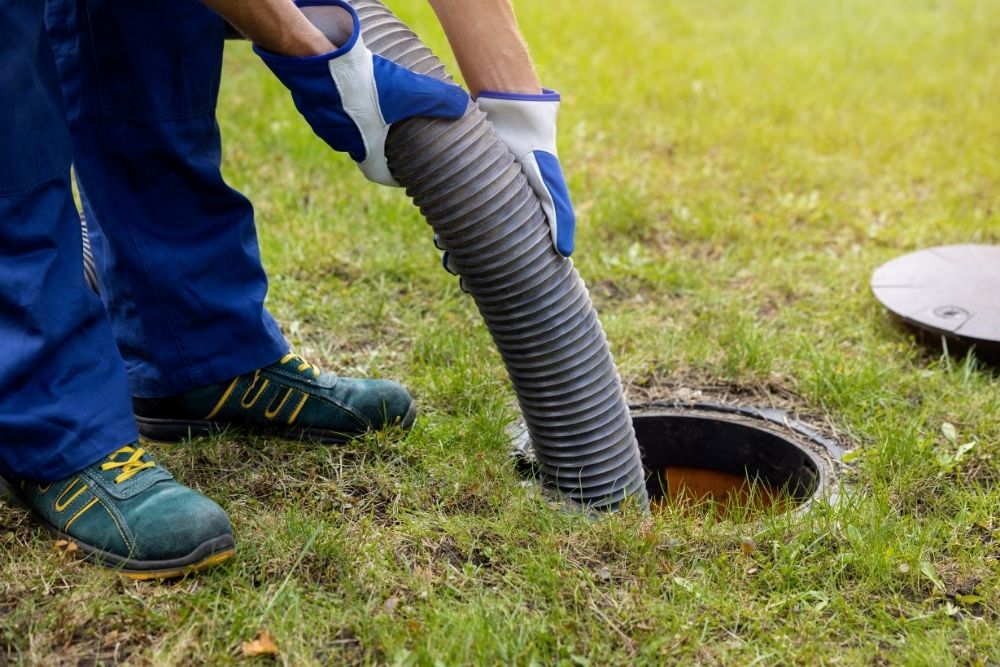
Water extraction is completed using industrial pumps and vacuums. Removing standing sewage water quickly helps prevent further saturation and structural damage. After extraction, contaminated materials such as carpeting, drywall, and insulation may need to be removed if they cannot be safely sanitized.
The cleaning phase involves powerful disinfectants and antimicrobial treatments. Professionals use specialized solutions to eliminate bacteria, viruses, and odors from surfaces. Air scrubbers and dehumidifiers are also used to improve indoor air quality and dry the property completely.
The final stage includes restoration and repairs. Flooring, walls, and damaged structural materials are repaired or replaced to return the property to safe living conditions. Fast and professional sewage cleanup reduces long-term damage and helps property owners recover more quickly.
How Long Sewage Cleanup Usually Takes
The timeline for sewage cleanup depends on the size of the affected area and the severity of contamination. Minor sewage backups affecting a small bathroom may take one to three days to clean and sanitize completely. Larger commercial or residential losses may require several days or even weeks for full restoration.
Drying time is one of the biggest factors influencing the restoration process. Even after visible water is removed, moisture can remain trapped inside walls, subfloors, and structural materials. Industrial drying equipment helps accelerate the process while reducing mold risks.
Material replacement can also extend the timeline. Severely contaminated drywall, insulation, or flooring often cannot be salvaged and must be replaced entirely. Structural repairs may add additional restoration time depending on the extent of the damage.
Preventing Future Sewage Backups
Preventative maintenance plays a major role in reducing future sewage problems. Regular plumbing inspections can help identify blockages, aging pipes, and drainage issues before backups occur. Professional sewer line cleaning also removes buildup that may restrict wastewater flow.
Homeowners should avoid flushing paper towels, grease, wipes, and hygiene products down toilets or drains. These materials are among the leading causes of sewer clogs and plumbing backups. Installing backwater valves may also help prevent sewage from reentering the property during heavy rainstorms.
Tree root intrusion is another common issue that requires monitoring. Roots can crack underground sewer pipes and create severe blockages over time. Annual sewer camera inspections help identify hidden damage before major problems develop.
Why Professional Restoration Is Worth It
Many people underestimate the complexity of sewage cleanup and attempt to handle contamination themselves. Unfortunately, household cleaning products are often not strong enough to fully disinfect sewage-affected materials. Improper cleaning can leave behind bacteria, odors, and hidden moisture.
Professional restoration companies use advanced equipment designed specifically for contaminated water damage. Moisture detection tools, commercial drying systems, and industrial disinfectants help ensure complete restoration. Technicians are also trained to follow safety protocols that protect both the property and its occupants.
Insurance companies often prefer professional documentation and restoration reports when processing claims. Certified restoration teams can provide detailed records, moisture readings, and repair estimates that support insurance approvals.
Conclusion
Fast action is essential when dealing with sewage contamination. The sooner sewage water is removed and sanitized, the lower the risk of structural damage, mold growth, and health hazards. Professional restoration services help ensure contaminated areas are cleaned properly and safely using specialized equipment and industry-approved methods.
Understanding how quickly sewage cleanup should begin can protect both your property and your health. From emergency water extraction to full disinfection and repairs, working with experienced professionals makes the restoration process smoother and more effective. If you need immediate assistance with sewage damage, contact JGW Group Water Damage Restoration in Las Vegas, NV at 725-525-3122 for professional cleanup and restoration services.