Storms can leave behind serious destruction, from roof leaks and flooding to structural damage and mold growth. Fast action is critical when it comes to storm damage restoration because delays can turn small issues into expensive repairs. Water intrusion, broken windows, and damaged roofing materials can quickly worsen if they are not addressed immediately. Homeowners who respond quickly often reduce repair costs and protect their property from long-term damage.
Understanding how fast to repair storm damage is important for both safety and financial reasons. Insurance claims, structural integrity, and indoor air quality can all be affected by how quickly repairs begin. In this guide, we will explain the ideal timeline for repairs, what factors affect restoration speed, and how professional restoration companies help homeowners recover after severe weather events.
Why Immediate Storm Damage Repairs Matter
After a major storm, many homeowners wonder if repairs can wait a few days or weeks. The truth is that delaying restoration can create larger and more expensive problems. Water damage spreads quickly through drywall, insulation, flooring, and wooden structures. Even a small leak can eventually lead to mold growth and structural weakening.
Fast repairs also help protect the health and safety of everyone inside the property. Storms can expose homes to contaminated water, electrical hazards, and unstable structures. Addressing these problems quickly reduces the chance of injury and prevents further deterioration. Professional restoration teams can assess the damage immediately and create a plan to stabilize the property.
Another reason speed matters is insurance documentation. Many insurance companies expect homeowners to take reasonable steps to prevent additional damage. Quick action demonstrates responsibility and may improve the claims process. Temporary repairs like tarping roofs or removing standing water can make a major difference while permanent repairs are scheduled.
The First 24 Hours After Storm Damage
The first day after a storm is the most critical period for minimizing damage. Homeowners should first focus on safety by checking for electrical hazards, gas leaks, and unstable structures before entering the property. Once it is safe, documenting the damage with photos and videos is extremely important for insurance purposes.
During the first 24 hours, emergency mitigation should begin immediately. This often includes water extraction, roof tarping, boarding broken windows, and drying affected areas. Fast emergency response reduces the chance of mold growth and prevents water from spreading deeper into the structure. Professional restoration companies use specialized equipment such as industrial fans and dehumidifiers to begin the drying process quickly.
This early response stage sets the foundation for the entire repair timeline. Delays during this period can significantly increase restoration costs and extend the repair process. Acting quickly allows contractors to stabilize the property before permanent reconstruction begins. Homeowners who move fast often save both time and money in the long run.
How Weather Conditions Affect Repair Timelines
Weather conditions play a major role in determining how quickly repairs can begin. Severe storms often impact entire neighborhoods, creating high demand for contractors and restoration professionals. Heavy rain, strong winds, or ongoing storms may delay roof work and exterior repairs until conditions improve.
Humidity and temperature also affect drying times after water damage. High humidity slows the evaporation process, making it harder to fully dry walls, flooring, and insulation. Restoration teams may need to run drying equipment longer to prevent hidden moisture problems. In Las Vegas, the dry climate can sometimes help speed up indoor drying compared to more humid regions.
Access to materials is another factor influenced by weather events. Large storms can create shortages of roofing materials, drywall, and other supplies. Contractors may need extra time to secure replacement materials, especially after widespread disasters. Despite these challenges, beginning mitigation immediately remains essential for reducing long-term damage.
Common Types of Storm Damage That Need Fast Repair
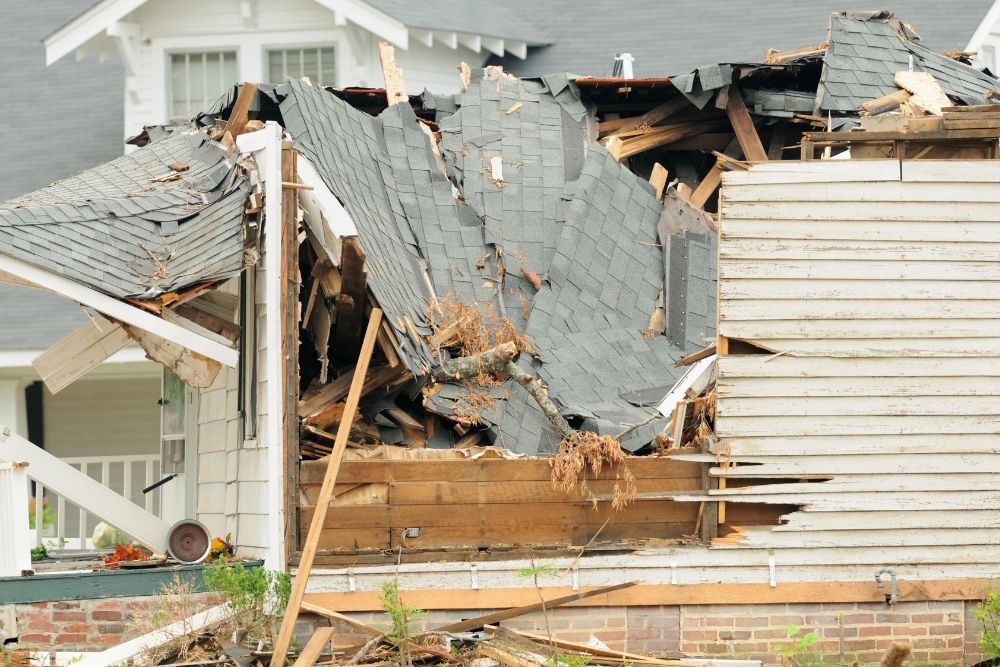
Some forms of storm damage require immediate attention because they can rapidly worsen over time. Roof damage is one of the most urgent issues. Missing shingles, punctures, or structural roof problems allow water to enter the home quickly, leading to interior damage and mold growth.
Flooding and standing water are equally serious concerns. Water can soak into flooring, walls, furniture, and electrical systems within hours. Professional water extraction and drying services are necessary to prevent bacteria growth and structural deterioration. Fast storm damage restoration can stop water from causing permanent destruction inside the property.
Broken windows and damaged siding should also be repaired quickly. Openings in the home expose the interior to additional rain, pests, and temperature changes. Temporary board-up services help secure the property until permanent repairs can be completed. Addressing these issues immediately helps preserve the home’s condition and reduces future repair expenses.
The Role of Professional Restoration Companies
Professional restoration companies are trained to handle storm-related emergencies quickly and efficiently. Their experience allows them to identify hidden damage that homeowners may overlook. Moisture trapped behind walls or under flooring can create long-term structural issues if not detected early.
Restoration professionals use specialized tools to speed up the recovery process. Moisture meters, industrial dryers, and thermal imaging equipment help locate water damage and dry affected areas properly. These tools allow contractors to complete repairs more efficiently than standard household equipment.
Hiring professionals also reduces stress during the insurance process. Restoration companies often work directly with insurance adjusters to document damage and provide repair estimates. This coordination can help homeowners navigate claims more smoothly and ensure repairs begin as soon as possible. Experienced contractors understand how to prioritize repairs to protect both safety and property value.
How Long Does Storm Damage Restoration Usually Take?
The timeline for repairs depends on the severity of the storm damage. Minor repairs, such as replacing shingles or drying small water-affected areas, may only take a few days. Moderate damage involving drywall replacement, flooring repairs, or partial roof reconstruction can take several weeks.
Severe structural damage often requires a much longer timeline. Homes impacted by flooding, fallen trees, or major roof collapse may need months of reconstruction. Permits, inspections, and material availability can all affect the overall schedule. The earlier mitigation begins, the shorter the overall repair timeline tends to be.
Homeowners should understand that restoration usually occurs in phases. Emergency mitigation comes first, followed by drying, debris removal, and reconstruction. Working with an experienced restoration team helps ensure the process moves efficiently while maintaining quality repairs. Patience is important, but acting quickly at the beginning greatly improves recovery time.
Preventing Further Damage While Waiting for Repairs
In some situations, permanent repairs cannot begin immediately due to contractor availability or insurance approvals. During this waiting period, temporary protection measures are essential. Roof tarps, boarded windows, and water extraction services help prevent additional destruction while repairs are pending.
Keeping affected areas dry is especially important. Moisture left untreated can lead to mold growth within 24 to 48 hours. Using fans and dehumidifiers may help reduce moisture levels temporarily, but professional drying equipment is usually more effective. Homeowners should also remove wet furniture, rugs, and personal belongings whenever possible.
Security is another concern after storm damage. Broken windows and structural openings can make homes vulnerable to theft or vandalism. Temporary repairs help secure the property until full restoration work begins. Taking these preventive steps can reduce repair costs and protect the home from worsening conditions.
Choosing the Right Restoration Company
Selecting the right contractor can significantly impact how fast repairs are completed. Homeowners should look for licensed and insured restoration companies with experience handling storm-related emergencies. A reliable company should provide rapid response services and clear communication throughout the process.
Reading reviews and checking certifications can help verify a contractor’s reputation. Restoration professionals certified in water damage restoration and mold remediation often provide higher-quality service. It is also important to ask about emergency availability since storms can occur at any time.
A trustworthy restoration company will provide detailed estimates and explain the repair process clearly. Fast communication and organized project management help keep repairs on schedule. Working with experienced professionals ensures the property is restored safely and efficiently after severe weather damage.
Conclusion
Repairing storm damage quickly is one of the most important steps homeowners can take to protect their property. Fast action helps prevent mold growth, structural issues, and additional repair expenses. From emergency mitigation during the first 24 hours to full reconstruction, every stage of the process benefits from immediate attention and professional support. Understanding the repair timeline allows homeowners to make informed decisions and reduce stress after severe weather events.
If you need professional help with storm damage restoration in Las Vegas, contact JGW Group Water Damage Restoration. Their experienced team provides rapid emergency response and reliable restoration services to help homeowners recover quickly. Call 725-525-3122 today to schedule an inspection and begin restoring your property safely and efficiently.