

Flooding can cause serious damage to a home in a very short amount of time. Water can soak into walls, flooring, furniture, and personal belongings, creating long-term structural and health problems if it is not handled quickly. One of the most important parts of the recovery process is proper flood damage cleanup. Drying a flooded house the right way helps prevent mold growth, wood rot, and costly repairs later on.
Whether the flooding comes from heavy rain, burst pipes, or appliance leaks, homeowners need to act fast. Moisture hidden behind walls or under floors can continue causing damage long after standing water disappears. Understanding the correct drying methods can make the cleanup process safer and more effective. This guide explains the key steps involved in drying a flooded home and restoring it properly after water damage.
Ensure the Home Is Safe Before Cleanup
Before entering a flooded house, safety should always be the first priority. Water damage can create hidden hazards that may put homeowners and their families at risk. Electrical systems, gas lines, and weakened structures can all become dangerous after flooding.
If possible, turn off the electricity to affected areas before entering the property. Water and electricity are extremely hazardous together. If the breaker box is located in a flooded area, contact an electrician instead of attempting to access it yourself. Gas appliances should also be inspected for leaks or damage before use.
Floodwater may contain bacteria, sewage, chemicals, or debris that can affect your health. Wear protective gear such as gloves, rubber boots, eye protection, and masks during cleanup. Even clear-looking water can still contain contaminants.
Remove Standing Water Quickly
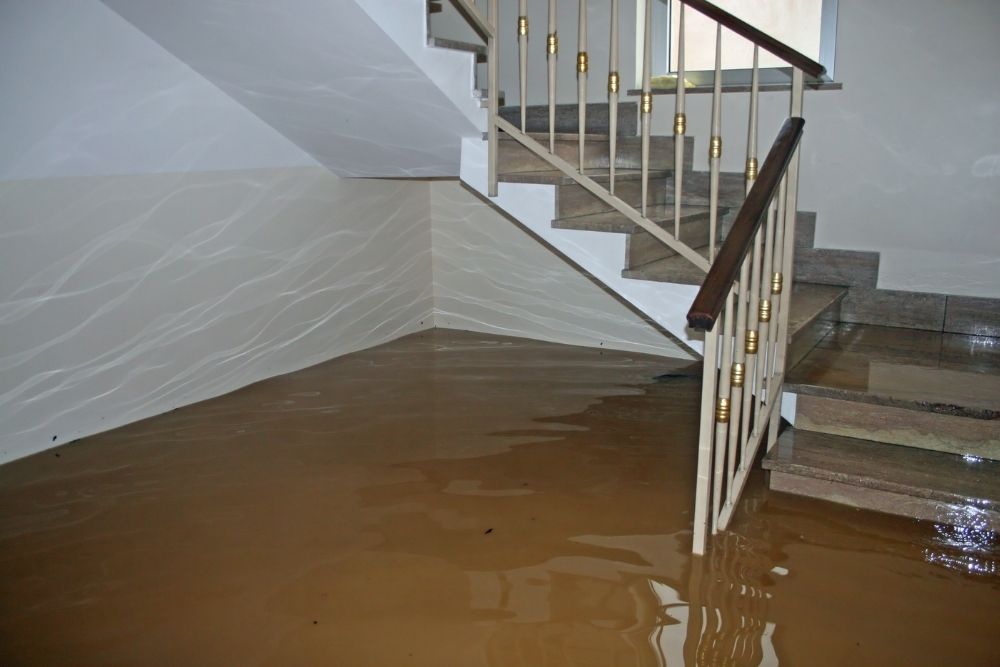
One of the most important steps in drying a flooded house is removing standing water immediately. The longer water remains inside the home, the greater the damage becomes. Fast water extraction helps reduce repair costs and lowers the risk of mold growth.
Small amounts of water can sometimes be removed using mops, buckets, or wet vacuums. However, severe flooding usually requires industrial pumps and professional extraction equipment. These tools remove large volumes of water much faster and more effectively.
Focus on the lowest parts of the home first, including basements, crawl spaces, and ground-floor rooms. Water naturally settles in these areas and may continue spreading moisture into surrounding materials. Carpets, rugs, and upholstered furniture should also be removed if they are heavily saturated.
Improve Air Circulation Throughout the House
After removing standing water, improving airflow is the next important step. Proper air circulation helps moisture evaporate from wet surfaces more quickly, reducing drying time and preventing mold growth.
Open windows and doors whenever weather conditions allow. Fresh air moving through the house helps push moisture outside while bringing in drier air. Fans should also be placed throughout affected rooms to keep air moving consistently.
High-powered air movers are commonly used by restoration professionals because they create stronger airflow than standard household fans. These machines direct air across walls, floors, and furniture to speed up evaporation. In larger flooding situations, multiple fans may be needed to dry the entire property evenly.
Pay special attention to enclosed spaces such as closets, bathrooms, and hallways where airflow is limited. Moisture trapped in these areas can remain unnoticed and encourage mold development over time.
Air circulation should continue for several days after flooding. Even if surfaces appear dry, hidden moisture may still be present inside structural materials. Consistent airflow improves the effectiveness of the overall drying process and helps restore normal indoor conditions more quickly.
Use Dehumidifiers to Reduce Moisture Levels
Fans alone are not enough to completely dry a flooded house. As water evaporates into the air, humidity levels inside the home rise significantly. Dehumidifiers are necessary to remove this excess moisture and create a proper drying environment.
Commercial dehumidifiers are much more powerful than standard residential models. They can remove large amounts of water from the air every day, helping walls, floors, and furniture dry faster. Professional restoration companies often use industrial dehumidifiers for severe flooding situations.
Place dehumidifiers in the most heavily affected rooms first. Doors and windows should remain closed while they are running to maximize efficiency. Empty water collection tanks regularly if the units are not connected to drainage systems.
Humidity levels inside the home should ideally stay below 50 percent during drying. Excess humidity can slow evaporation and create ideal conditions for mold growth. Moisture meters and humidity monitors help track the progress of the drying process.
Using dehumidifiers alongside proper airflow creates a balanced drying system. Together, these methods help remove moisture from both surfaces and the air itself.
Remove Water-Damaged Materials
Not all materials inside a flooded home can be saved. Some absorb water so deeply that drying them safely becomes impossible. Removing severely damaged materials is often necessary to prevent mold growth and further structural problems.
Drywall is one of the most vulnerable materials after flooding. Water weakens drywall quickly and allows mold to grow inside wall cavities. In many situations, damaged drywall must be cut out and replaced to ensure proper drying behind walls.
Carpet padding, insulation, ceiling tiles, and particleboard furniture also tend to absorb large amounts of moisture. These materials can remain damp long after surface water is removed. If they are not discarded promptly, they may develop mold and unpleasant odors.
Personal belongings should be sorted carefully during cleanup. Clothing, important documents, and electronics may sometimes be salvageable if dried quickly. However, contaminated items exposed to sewage water may need to be discarded for health reasons.
Dry Structural Areas Thoroughly
Once damaged materials are removed, the focus shifts to drying the home’s structural components. Wood framing, subfloors, concrete, and wall cavities can retain moisture for days or even weeks after flooding.
Wood floors require careful attention because trapped moisture can cause warping, buckling, and cracking. Hardwood flooring may sometimes be saved if drying begins early enough using specialized drying equipment. However, delayed cleanup often leads to permanent damage.
Concrete surfaces also absorb water deeply. Even when the surface feels dry, moisture can still remain trapped inside. Moisture meters are commonly used to determine whether concrete has fully dried before repairs begin.
Wall cavities are another hidden moisture source. Professionals may drill small holes behind baseboards or use drying systems that force air into walls. This helps remove moisture trapped inside insulation and framing materials.
Prevent Mold Growth During the Drying Process
Mold prevention is one of the biggest concerns after flooding. Mold spores naturally exist in most environments, but they grow rapidly when moisture remains inside a home. Without proper drying, mold can spread within 24 to 48 hours.
The best way to prevent mold is by removing moisture quickly and completely. Every step of the drying process plays a role in controlling mold growth. Fast water extraction, proper airflow, dehumidification, and material removal all help reduce risk.
Cleaning and disinfecting affected areas is also important. Floodwater often carries bacteria and contaminants that can remain on surfaces after drying. Antimicrobial cleaners help sanitize non-porous surfaces and reduce microbial growth.
Hidden moisture is especially dangerous because mold may grow out of sight behind walls, under flooring, or inside ceilings. Musty odors, discoloration, and persistent humidity can all indicate hidden mold problems developing inside the property.
Know When to Contact Restoration Professionals
While small water incidents may be manageable without outside help, major flooding often requires professional restoration services. Experienced water damage specialists have advanced equipment and training that allow them to dry homes faster and more thoroughly.
Professional restoration teams use industrial pumps, commercial dehumidifiers, air movers, moisture meters, and thermal imaging tools. These tools help detect hidden water and ensure the property dries properly from the inside out.
Flooding can also involve insurance claims, structural repairs, and contamination issues. Restoration companies often assist homeowners by documenting damage and communicating with insurance providers during the claims process.
Homes affected by sewage backups or contaminated floodwater should always be cleaned by professionals. Hazardous water requires specialized sanitation procedures and protective equipment to ensure safe cleanup.
Attempting to handle severe flooding without proper knowledge can lead to costly mistakes later. Hidden moisture may remain trapped inside walls or floors, causing mold and structural damage long after repairs are finished.
Conclusion
Drying a flooded house requires fast action, proper equipment, and careful attention to hidden moisture. From removing standing water to improving airflow and preventing mold growth, every step plays an important role in restoring the property safely. Thorough drying helps protect structural materials, improve indoor air quality, and reduce long-term repair costs.
Because flood damage can quickly become overwhelming, professional assistance is often the best solution for complete restoration. If you need reliable help with flood damage cleanup in Las Vegas, NV, contact JGW Group Water Damage Restoration at 725-525-3122. Their experienced team can provide fast, professional restoration services to help return your home to a safe, dry, and comfortable condition after water damage occurs.