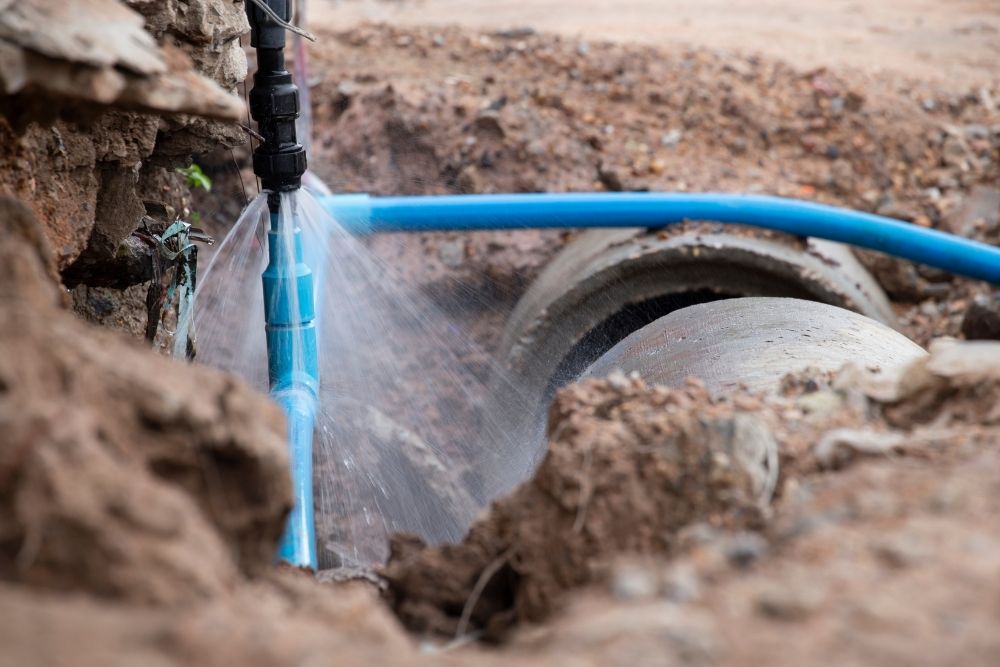
A burst pipe can cause serious damage to your home or business in a matter of minutes. From soaked drywall and ruined flooring to mold growth and structural issues, water problems can escalate quickly if not handled properly. That’s why understanding the right steps to take after a pipe bursts is essential for protecting your property and minimizing repair costs.
When dealing with emergencies like this, professional Water Damage Restoration services play a critical role in cleanup, drying, and restoring your property safely. Whether the burst pipe is caused by freezing temperatures, old plumbing, or excessive water pressure, acting fast can prevent long-term complications. In this guide, you’ll learn what causes pipes to burst, what immediate actions to take, and how to restore your home after water damage occurs.
What Causes a Pipe to Burst?
Burst pipes can happen for several reasons, and understanding the cause can help homeowners prevent future plumbing disasters. One of the most common causes is freezing temperatures. When water freezes inside a pipe, it expands and creates pressure that can crack or rupture the pipe walls. Older pipes are especially vulnerable because they may already be weakened by corrosion or wear.
High water pressure is another major factor. Excessive pressure can strain plumbing systems and eventually cause joints or pipe sections to fail. Clogged pipes can also contribute to bursts because blockages increase pressure buildup within the line. In some cases, tree roots growing underground may damage exterior pipes and lead to leaks or ruptures.
Poor installation and low-quality materials are additional risks. Pipes that are not properly secured or fitted can weaken over time and eventually break.
Shut Off the Water Immediately
The first and most important step after discovering a burst pipe is shutting off the water supply. This action stops additional water from flooding the property and reduces the amount of damage caused. Every homeowner should know where the main water shut-off valve is located before an emergency happens.
After turning off the main supply, open nearby faucets to drain any remaining water from the pipes. This helps relieve pressure inside the plumbing system and prevents additional leaking. If the burst occurred near electrical outlets or appliances, avoid touching anything until the power is safely disconnected.
Turn Off Electricity in Affected Areas
Water and electricity create a dangerous combination, so safety should always come first after a burst pipe. If water is near outlets, appliances, or electrical panels, turn off power to the affected area immediately. Never walk through standing water if electrical hazards are present.
If you cannot safely access your breaker box, contact an electrician or emergency professional for assistance. Attempting to handle electrical issues in wet conditions can lead to severe injury or electrocution. It is better to wait for professional help than risk personal safety.
Many homeowners focus only on removing water while overlooking electrical damage. However, wet wiring and outlets may continue to pose risks even after visible water is gone. Appliances exposed to water should also be inspected before being used again.
Professional restoration technicians often work alongside electricians to ensure properties are safe during the cleanup process. Combining electrical safety with fast water removal reduces the chances of accidents and further property damage.
Remove Standing Water Quickly
Once the water supply and electricity are under control, the next step is removing standing water. The longer water remains inside a property, the greater the risk of structural damage and mold growth. Carpets, drywall, wood flooring, and furniture can absorb moisture quickly and become permanently damaged.
Homeowners may use mops, buckets, towels, or wet vacuums to begin removing water. However, larger flooding situations often require professional extraction equipment for effective cleanup. Industrial pumps and vacuums can remove water much faster than household tools.
Fast water removal is a key part of the Water Damage Restoration process because it limits secondary damage. Excess moisture trapped beneath floors or behind walls can continue causing issues long after the visible water disappears.
Dry and Dehumidify the Area
After removing standing water, thorough drying is necessary to eliminate hidden moisture. Wet materials can continue absorbing water even after surfaces appear dry. This is why professional-grade drying equipment is often needed for complete restoration.
High-powered air movers and dehumidifiers help pull moisture from walls, flooring, and furniture. Without proper drying, damp conditions can lead to mold growth, warped flooring, and weakened structural materials. Moisture meters are commonly used to detect hidden water inside walls and ceilings.
The drying process may take several days depending on the extent of the damage. Property owners should avoid rushing this step because incomplete drying often leads to recurring problems later. Patience and proper equipment are essential for successful restoration.
Professional Water Damage Restoration companies follow detailed drying procedures to ensure all moisture is removed safely. Thorough drying protects indoor air quality and prevents long-term damage from developing after a burst pipe incident.
Inspect for Mold Growth
Mold can begin growing within 24 to 48 hours after water exposure, making inspections extremely important after a burst pipe. Mold thrives in damp, dark environments such as behind walls, under flooring, and inside insulation. Even small amounts of hidden moisture can create ideal conditions for contamination.
Common signs of mold include musty odors, discoloration on walls, and increased allergy symptoms. However, some mold problems remain hidden until they become severe. Professional inspections can identify affected areas before the issue spreads throughout the property.
Mold not only damages building materials but can also impact indoor air quality. Exposure may trigger respiratory problems, headaches, or allergic reactions, especially for children and elderly individuals. Addressing mold early helps maintain a healthy living environment.
Document the Damage for Insurance
Before starting major cleanup or repairs, document all visible damage thoroughly. Taking photos and videos can support your insurance claim and help prove the extent of the loss. Include damaged walls, flooring, furniture, electronics, and personal belongings in your records.
Keep receipts for emergency expenses such as temporary repairs, hotel stays, or cleanup supplies. Insurance companies may reimburse some of these costs depending on your policy coverage. Organized documentation can speed up the claims process and reduce disputes.
Contact your insurance provider as soon as possible after the incident. Explain the situation clearly and provide detailed evidence of the damage. Many insurers also require mitigation efforts to prevent further property damage.
Repair the Burst Pipe Properly
Temporary fixes may help control leaks initially, but permanent repairs are necessary to restore the plumbing system safely. A licensed plumber should inspect the damaged pipe and determine the best repair method. Depending on the severity of the damage, the pipe may need patching or complete replacement.
Ignoring minor plumbing issues can lead to future leaks and recurring water damage. Corroded or aging pipes should be evaluated carefully because additional failures may occur elsewhere in the system. Replacing outdated plumbing can improve long-term reliability.
Prevent Future Pipe Bursts
Preventing burst pipes starts with regular maintenance and proactive protection measures. During colder months, insulating exposed pipes can reduce the risk of freezing. Homeowners should also keep indoor temperatures consistent, especially during winter weather.
Checking for leaks, corrosion, and weak pipe joints regularly can help identify potential problems before they worsen. Monitoring water pressure is also important because excessive pressure strains plumbing systems over time. Installing a pressure regulator may help protect pipes from unnecessary stress.
Allowing faucets to drip slightly during freezing temperatures can reduce pressure buildup inside pipes. Homeowners should also disconnect outdoor hoses before winter to prevent frozen exterior lines. Small preventative steps can make a major difference.
When to Call a Professional Restoration Company
Some burst pipe situations are too severe for DIY cleanup methods alone. If water has spread through multiple rooms, soaked structural materials, or caused mold growth, professional help is recommended immediately. Restoration experts have specialized equipment designed for rapid water extraction and drying.
Professional teams also understand how to detect hidden moisture that homeowners may overlook. Moisture trapped behind walls or under flooring can lead to serious long-term damage if not handled properly. Advanced drying technology helps ensure complete restoration.
A trusted Water Damage Restoration company can also coordinate repairs, cleanup, and mold remediation services efficiently. This reduces stress for property owners during an already difficult situation.
Conclusion
Handling a burst pipe quickly and correctly can significantly reduce property damage and costly repairs. Shutting off the water supply, removing standing water, drying affected areas, and inspecting for mold are all critical steps in the recovery process. Preventative maintenance and regular plumbing inspections can also help reduce the risk of future pipe bursts.
If you need reliable help after a plumbing emergency, JGW Group Water Damage Restoration is ready to assist homeowners and businesses throughout Las Vegas, NV. Our experienced team provides fast response services, professional cleanup, and complete restoration solutions designed to protect your property. Call us today at 725-525-3122 for expert assistance with burst pipes and emergency water damage restoration services.