

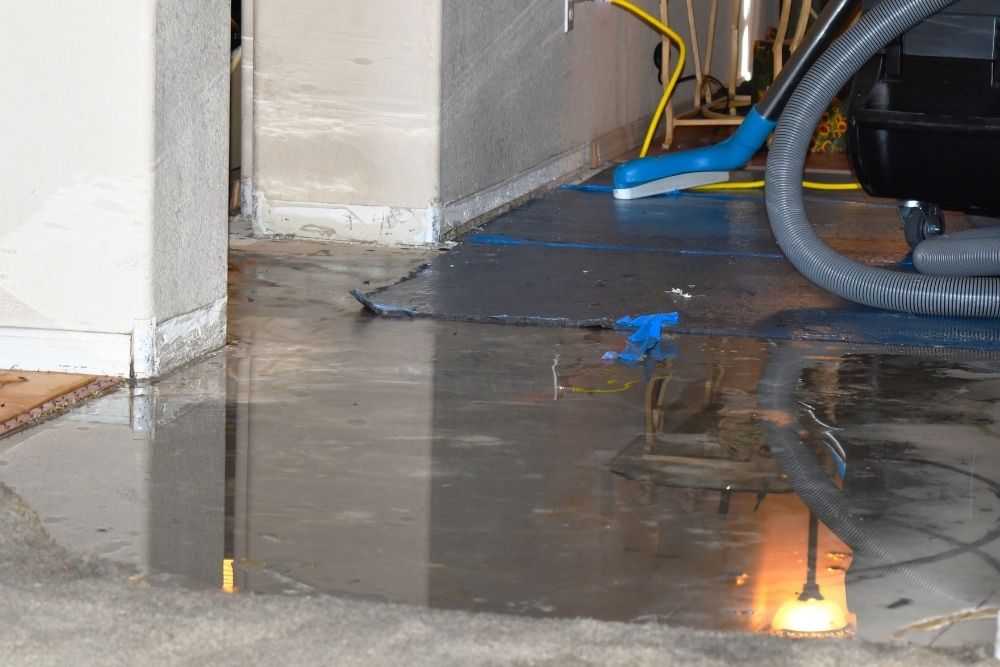
Storms can cause serious damage to homes and commercial properties, especially when water finds its way inside. That is why understanding storm damage restoration and learning how to prevent storm water intrusion is essential for property owners. Heavy rain, strong winds, clogged drainage systems, and damaged roofing materials can all allow water to seep into vulnerable areas of a building. Once moisture enters, it can lead to structural damage, mold growth, ruined insulation, and expensive repairs.
Preventing storm water intrusion is not just about protecting a building’s appearance. It is about preserving the safety, value, and longevity of your property. Whether you live in a region with seasonal storms or unexpected heavy rainfall, taking preventive steps before severe weather arrives can save thousands of dollars in restoration costs. In this guide, we will explore practical ways to keep storm water out of your property and reduce the need for emergency repairs after a storm.
Inspect and Maintain Your Roof Regularly
Your roof is the first line of defense against severe weather. Even small cracks, missing shingles, or damaged flashing can allow rainwater to enter your home during a storm. Regular roof inspections help identify minor issues before they become major problems. Property owners should inspect their roofs at least twice a year and after every major storm event.
Pay close attention to areas around vents, chimneys, and skylights because these are common entry points for water. If shingles are curling, cracked, or loose, they should be replaced immediately. Damaged flashing should also be repaired to create a watertight seal. Proper maintenance reduces the risk of leaks and helps avoid costly storm-related repairs.
Professional inspections can also uncover hidden damage that may not be visible from the ground. A roofing specialist can evaluate weak spots and recommend improvements to strengthen the structure before storm season begins.
Keep Gutters and Downspouts Clear
Gutters and downspouts play a critical role in directing water away from your property. When they become clogged with leaves, dirt, and debris, rainwater can overflow and collect near the foundation. Over time, this can lead to leaks, erosion, and basement flooding.
Cleaning gutters regularly is one of the simplest ways to prevent storm water intrusion. Downspouts should also be positioned to carry water several feet away from the building. If water pools near the structure, it increases the risk of moisture entering walls and lower levels.
Installing gutter guards can help reduce debris buildup and minimize maintenance needs. During heavy storms, properly functioning drainage systems can handle large amounts of rainfall more effectively. This preventive measure also supports long-term property protection and reduces the likelihood of needing emergency storm damage restoration services after severe weather.
Seal Windows and Doors Properly
Windows and doors are common weak points where water can enter during storms. Over time, caulking and weather stripping may wear out, leaving small gaps that allow moisture inside. Even a minor opening can lead to water damage when exposed to strong winds and heavy rainfall.
Inspect the seals around all windows and doors regularly. Replace cracked caulking and damaged weather stripping as soon as possible. Waterproof sealants provide additional protection and help keep moisture outside where it belongs.
Impact-resistant windows and storm doors can also improve protection during extreme weather conditions. These upgrades not only reduce water intrusion but also increase energy efficiency and property value. Proper sealing is an affordable preventive measure that can significantly lower the risk of interior water damage.
Improve Property Drainage Systems
Poor drainage is one of the leading causes of water intrusion during storms. If rainwater cannot flow away from the property efficiently, it may collect around the foundation and seep into basements or crawl spaces. Proper grading and drainage design are essential for preventing this problem.
The ground around the property should slope away from the structure to direct water outward. French drains, sump pumps, and channel drains can also help manage excess water during heavy rainfall. These systems reduce pressure around the foundation and prevent moisture buildup.
Regularly inspecting drainage systems ensures they remain clear and functional. Standing water should never be ignored because it can weaken the foundation over time. By improving drainage, property owners can reduce water-related risks and maintain a safer environment during severe storms.
Protect Your Foundation From Water Damage
A strong foundation is essential for keeping water out of your property. Cracks in the foundation can allow storm water to enter basements and lower levels, especially during prolonged rainfall. Even small openings can expand over time if left untreated.
Inspect the foundation regularly for visible cracks or signs of moisture. Waterproof coatings and sealants can help create a barrier against water intrusion. In some cases, professional repairs may be necessary to address structural weaknesses before storm season arrives.
Maintaining proper drainage around the foundation is equally important. Excess moisture near the structure increases the risk of leaks and erosion. Investing in foundation protection today can prevent major repair costs in the future and reduce the need for extensive restoration services.
Trim Trees and Secure Outdoor Areas
Strong winds and heavy storms can turn loose outdoor objects and overgrown trees into serious hazards. Falling branches may damage roofs, windows, and siding, creating openings where water can enter the property.
Regular tree trimming helps remove weak or dead branches that could break during storms. Trees positioned too close to the building should also be monitored carefully because branches rubbing against roofing materials can cause gradual damage.
Outdoor furniture, decorations, and equipment should be secured before severe weather arrives. Loose items can become airborne and damage vulnerable parts of the structure. Preventive maintenance around the property strengthens overall storm protection and reduces the likelihood of storm-related water intrusion.
Install Storm-Resistant Materials
Using storm-resistant materials can greatly improve a building’s ability to withstand severe weather. Modern roofing systems, impact-resistant windows, and reinforced doors are designed to handle strong winds and heavy rainfall more effectively than traditional materials.
Waterproof underlayment beneath roofing materials provides an additional layer of defense against leaks. Exterior sealants and moisture-resistant siding can also help prevent water penetration during storms. These upgrades may require an upfront investment, but they often save property owners money in the long run.
Storm-resistant materials also improve durability and reduce maintenance needs over time. By strengthening vulnerable areas of the property, owners can minimize damage risks and reduce dependence on emergency restoration services after major weather events.
Create an Emergency Storm Preparedness Plan
Preparation is one of the most effective ways to reduce storm damage. An emergency plan ensures that property owners know exactly what to do before, during, and after severe weather. Having a clear strategy in place can minimize confusion and help protect the property from water intrusion.
Emergency kits should include flashlights, batteries, important documents, and contact information for repair professionals. Property owners should also know how to shut off utilities if flooding occurs. Sandbags and temporary waterproof barriers can provide additional protection during intense storms.
Regularly reviewing and updating the plan is important because weather conditions and property needs can change over time. Being proactive helps reduce stress during emergencies and supports faster recovery if damage occurs.
Conclusion
Preventing storm water intrusion requires a combination of regular maintenance, proper drainage, and proactive preparation. From inspecting your roof and sealing windows to improving drainage systems and protecting your foundation, every step plays an important role in reducing water damage risks. Investing in preventive measures today can help property owners avoid costly repairs and protect the long-term value of their homes or businesses.
If your property experiences storm-related water damage, professional help is essential for fast and effective recovery. JGW Group Water Damage Restoration proudly provides trusted restoration services in Las Vegas. Our experienced team is ready to assist with emergency cleanup, repairs, and complete restoration solutions. Call us today at 725-525-3122 to learn how we can help protect and restore your property after severe weather.