Sewage odors inside a home or business are more than just unpleasant smells. They can signal contamination, bacteria growth, hidden moisture, or plumbing issues that need immediate attention. Proper sewage cleanup is essential for protecting indoor air quality, preventing structural damage, and restoring a safe environment. Whether the odor comes from a recent backup, standing water, or damaged sewer lines, acting quickly can help prevent long-term problems.
Many property owners try to mask the smell with air fresheners, but sewage odors usually require deeper cleaning and sanitation. The odor can seep into flooring, drywall, furniture, and ventilation systems if not treated properly. Understanding the source of the smell and using the correct cleaning methods is the key to eliminating it completely. This guide explains how to remove sewage odor effectively and keep it from returning.
What Causes Sewage Odors Inside a Property?
Sewage odors typically develop when wastewater contamination enters areas where it should not be. This often happens after sewer backups, clogged drains, broken pipes, or flooding events. The smell comes from gases and bacteria produced by decomposing waste materials. In many cases, the odor becomes stronger over time if the affected area remains damp.
The most common source is a plumbing issue that allows sewer gas to escape indoors. Dry drain traps, cracked sewer lines, or damaged toilet seals can all contribute to the problem. Even small leaks hidden behind walls or under floors may create strong odors without obvious visible damage.
Another issue is porous materials absorbing contaminated water. Carpets, wood, drywall, and insulation can trap bacteria and moisture long after the visible water disappears. Without professional cleaning and drying, the smell may continue for weeks or months.
Identifying the exact cause is critical before attempting cleanup. Simply covering the odor does not solve the contamination problem. Proper inspection ensures the source is removed completely and helps prevent future sewage-related damage.
Why Sewage Odor Should Never Be Ignored
A sewage smell is not only unpleasant but also potentially dangerous. Sewer water contains harmful bacteria, viruses, and other contaminants that can affect indoor health. Prolonged exposure may lead to respiratory irritation, headaches, nausea, and allergic reactions, especially for children and older adults.
Odors also indicate that moisture may still be present somewhere in the property. Excess moisture creates ideal conditions for mold growth, which can further impact indoor air quality. If ignored, sewage contamination can spread deeper into building materials and increase restoration costs.
Another concern is structural damage. Water from sewage backups can weaken flooring, drywall, and wooden supports over time. The longer contaminated water remains untreated, the more extensive the repairs may become.
Professional cleanup and sanitation help eliminate both the smell and the hidden contamination. Fast action reduces health risks and restores the property more efficiently. Addressing the problem early can also help homeowners avoid larger plumbing or restoration issues later on.
Steps to Remove Sewage Odor Properly
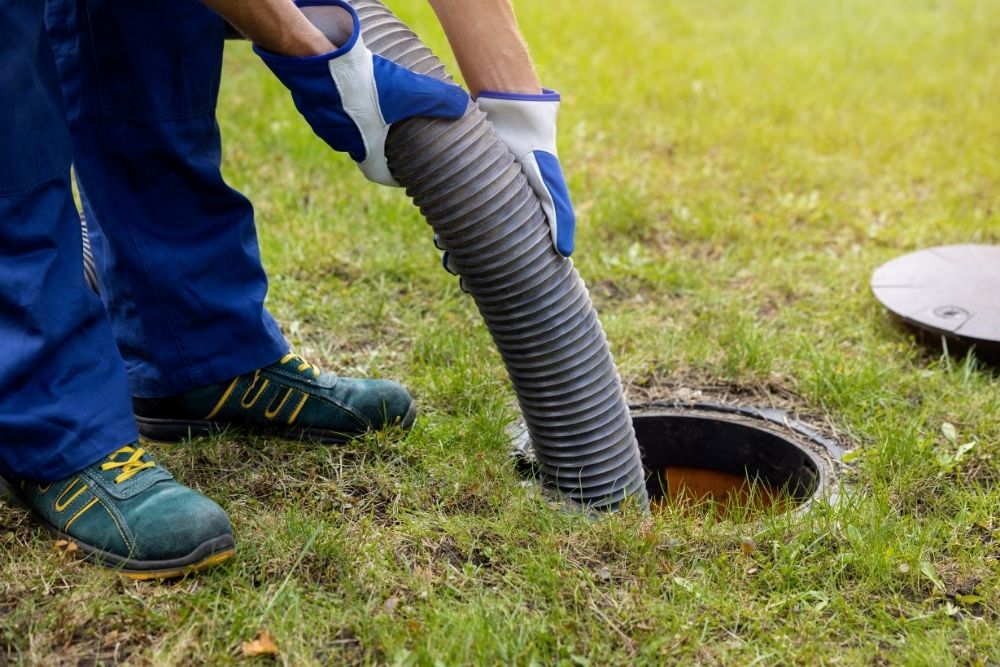
Removing sewage odor begins with eliminating the contamination source. The first step is stopping any active leaks or backups. Once the issue is controlled, all standing water and contaminated materials should be removed immediately. This is one of the most important parts of effective sewage cleanup because lingering moisture can continue producing foul smells.
After water removal, the area must be thoroughly cleaned and disinfected using specialized antimicrobial products. Standard household cleaners may not fully eliminate bacteria or odor-causing particles. Deep cleaning is necessary for floors, walls, furniture, and any surfaces exposed to contaminated water.
Drying the affected area is equally important. Industrial air movers and dehumidifiers help remove hidden moisture trapped inside materials. Without proper drying, odors often return even after cleaning.
Air purification may also be needed to improve indoor air quality. Odor particles can linger in the air ducts and surrounding spaces long after visible contamination is removed. Using air scrubbers or ventilation systems helps eliminate remaining smells and restore fresher indoor air.
How Ventilation Helps Eliminate Sewage Smells
Proper airflow plays a major role in removing sewage odors from indoor spaces. Stale air allows odor particles to remain trapped inside the property, making the smell stronger and harder to remove. Opening windows and improving ventilation can help reduce odor concentration during cleanup.
Exhaust fans and HVAC systems can also improve air circulation when used correctly. However, contaminated air filters should be replaced to avoid spreading odor particles throughout the building. In severe cases, professional air scrubbers may be required to remove bacteria and airborne contaminants.
Ventilation also helps accelerate the drying process after water damage. Moisture trapped in enclosed areas often intensifies sewage odors and encourages mold growth. Continuous airflow reduces humidity levels and helps prevent secondary damage.
While ventilation alone will not solve the problem, it is an important part of the restoration process. Combining airflow with proper sanitation and drying methods provides the best chance of permanently eliminating sewage smells from the property.
Cleaning Materials Affected by Sewage Water
Not all materials can be safely cleaned after sewage exposure. Porous materials absorb contaminated water quickly, making complete sanitation difficult. Carpets, insulation, upholstered furniture, and drywall are often heavily affected and may require removal.
Hard, non-porous surfaces such as tile, metal, and sealed concrete can usually be disinfected successfully. These materials are easier to clean because bacteria and moisture do not penetrate deeply into the surface.
Clothing and fabrics exposed to sewage water should be washed separately using hot water and disinfecting detergents. Some items may still retain odor even after washing if contamination has soaked into the fibers.
Professional restoration teams evaluate which materials can be salvaged safely. Attempting to keep heavily contaminated items may allow bacteria and odors to linger inside the property. Replacing damaged materials is often necessary to fully restore a healthy indoor environment.
Common Mistakes During Sewage Cleanup
One of the biggest mistakes property owners make is delaying cleanup. Waiting too long allows contamination to spread and odors to worsen. Immediate action significantly improves the chances of successful restoration and minimizes damage.
Another common mistake is relying only on deodorizing sprays or scented products. These products may temporarily hide the smell, but they do not remove bacteria or contaminated moisture. Without deep sanitation, the odor usually returns quickly.
Improper drying is another major issue. Even after visible water disappears, moisture may remain trapped beneath flooring or behind walls. This hidden dampness can continue producing odors and contribute to mold growth.
Many people also underestimate the health risks associated with sewage exposure. Protective equipment and professional-grade disinfectants are often necessary during cleanup. Proper sewage cleanup involves more than surface cleaning—it requires complete contamination removal and sanitation.
Preventing Sewage Odors from Returning
Preventing future sewage odors starts with regular plumbing maintenance. Routine drain cleaning and sewer line inspections can help identify problems before they become serious. Small clogs or leaks may eventually lead to backups if left untreated.
Keeping drains clear of grease, paper products, and debris also reduces the risk of blockages. Many sewer backups occur because improper materials are flushed or washed into the plumbing system over time.
Maintaining proper drainage around the property is another important step. Excess rainwater and flooding can overwhelm sewer systems and increase the risk of contamination entering the building. Sump pumps and backflow prevention devices can help protect vulnerable areas.
Fast response to leaks and water damage is essential as well. Even minor moisture problems can create lingering odors if not dried properly. Regular inspections and quick repairs help keep indoor spaces cleaner, safer, and odor-free.
When to Call a Professional Restoration Company
Some sewage odor problems can be minor, but larger contamination issues often require professional help. If the odor persists after cleaning or if sewage water has spread through multiple rooms, professional restoration services are strongly recommended.
Experts use advanced drying equipment, disinfectants, and moisture detection tools to identify hidden contamination. They can also safely remove damaged materials and restore affected areas according to industry standards.
Professional restoration companies help reduce health risks associated with sewage exposure. Their training ensures proper sanitation and prevents contamination from spreading further inside the property.
If mold growth, structural damage, or recurring odors are present, professional assistance becomes even more important. Addressing the issue quickly helps prevent long-term damage and restores the property more effectively.
Conclusion
Removing sewage odor requires more than simply masking unpleasant smells. Proper cleaning, sanitation, drying, and ventilation are all necessary to eliminate contamination completely. Identifying the source early and acting quickly can help protect indoor air quality, reduce health risks, and prevent costly structural damage. Effective sewage cleanup also helps ensure odors do not return in the future.
If your home or business is dealing with sewage odors or water damage, professional help can make the restoration process faster and safer. JGW Group Water Damage Restoration proudly serves property owners throughout Las Vegas, NV with reliable cleanup and restoration services. For immediate assistance or expert guidance, contact JGW Group Water Damage Restoration today at 725-525-3122.