Water damage can happen suddenly and leave property owners dealing with soaked flooring, damaged walls, and potential mold growth. That’s why understanding how Water Damage Restoration works is so important. One of the most critical steps in the restoration process is water extraction, which removes standing water and excess moisture before further damage occurs. Without fast and professional extraction, water can weaken structures, ruin belongings, and create unhealthy indoor conditions.
Water extraction is not simply about removing visible water. It involves specialized equipment, moisture detection, and drying techniques that restore a property safely and efficiently. Whether the damage comes from a burst pipe, flooding, storms, or appliance leaks, quick action can minimize repair costs and reduce long-term problems. In this guide, we’ll explain how water extraction works and why it is a key part of every successful restoration project.
What Is Water Extraction?
Water extraction is the process of removing standing water and excess moisture from a property after flooding or water intrusion. It is one of the first and most important steps in the restoration process because the longer water sits, the more severe the damage becomes. Carpets, drywall, furniture, and flooring materials can absorb water quickly, leading to structural problems and mold growth.
Professional restoration companies use industrial-grade pumps, vacuums, and extraction machines to remove water efficiently. These tools are much more powerful than standard household equipment and are designed to handle both small and large-scale flooding situations. Technicians also inspect hidden areas where water may have spread, including beneath flooring and inside walls.
In many cases, water extraction begins immediately after an emergency response team arrives at the property. The goal is to stop further damage and prepare the area for the drying and restoration process.
Why Immediate Water Removal Matters
Water damage can worsen within hours if it is not addressed quickly. Standing water seeps into porous materials such as wood, drywall, and insulation, causing them to weaken and deteriorate. Fast extraction helps reduce the risk of structural damage and prevents water from spreading into unaffected areas of the property.
One major concern with delayed water removal is mold growth. Mold can begin developing within 24 to 48 hours in damp environments. Once mold spreads, it can create health risks and increase restoration costs significantly. Immediate extraction and drying help control moisture levels and lower the chance of contamination.
Quick water removal also protects personal belongings and business assets. Furniture, electronics, documents, and flooring materials can often be saved if water is extracted promptly. Delays may lead to irreversible damage that requires complete replacement.
Professional restoration teams respond quickly because they understand how rapidly conditions can change. They assess the extent of the damage, identify safety concerns, and begin extraction immediately.
Equipment Used for Water Extraction
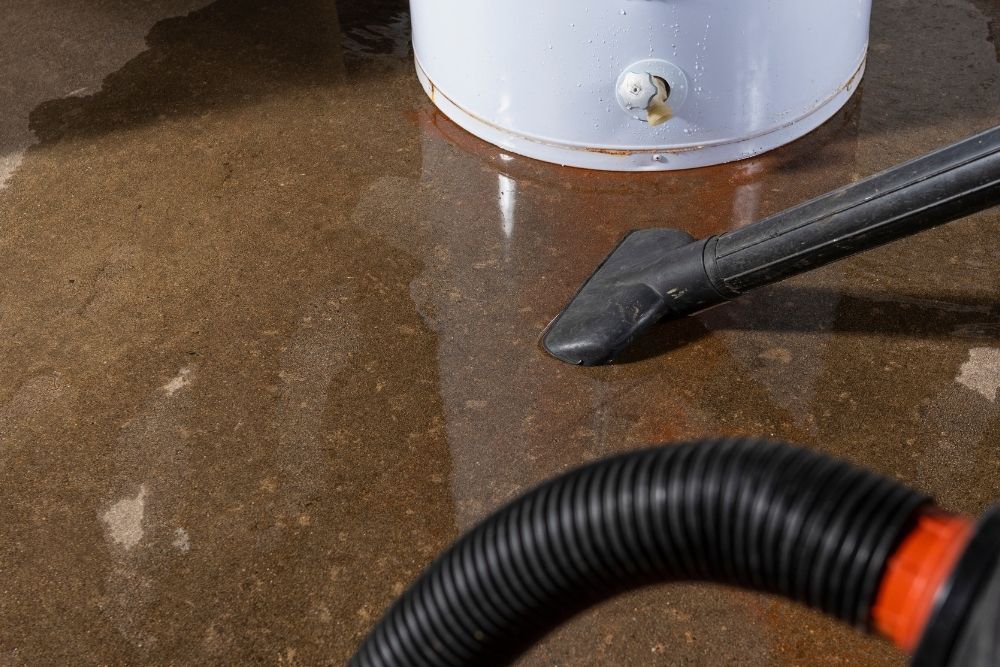
Professional water extraction requires specialized equipment designed to remove large amounts of water efficiently. One of the most common tools used is the industrial pump. These pumps can quickly remove standing water from flooded rooms, basements, and commercial spaces.
Wet vacuums are another essential tool in the extraction process. Unlike household vacuums, commercial wet vacuums are built to handle water safely and remove moisture from carpets, upholstery, and hard surfaces. Technicians may also use truck-mounted extraction systems for severe flooding situations because they provide stronger suction power and faster results.
Moisture meters and infrared cameras help restoration professionals detect hidden moisture inside walls, ceilings, and flooring materials. These tools are important because water often spreads into areas that are not immediately visible. By identifying hidden moisture, technicians can ensure the property is thoroughly dried.
Air movers and dehumidifiers are typically used after extraction to complete the drying process. Air movers circulate airflow across wet surfaces, while dehumidifiers remove excess moisture from the air.
The Step-by-Step Water Extraction Process
The water extraction process follows a structured approach to ensure all moisture is removed safely and effectively. The first step is inspection and assessment. Restoration professionals evaluate the source of the water, identify affected areas, and determine the severity of the damage.
Once the assessment is complete, technicians begin removing standing water using pumps and extraction machines. The amount of water and the size of the affected area determine which equipment will be used. In severe cases, multiple extraction units may be required to speed up the process.
After visible water is removed, technicians inspect for hidden moisture. Wet carpets, walls, insulation, and flooring materials may need additional treatment or removal.
Common Causes of Water Damage
Water damage can occur from many different sources, and each situation requires a specific restoration approach. One of the most common causes is burst or leaking pipes. Plumbing failures can release large amounts of water into walls, ceilings, and flooring in a short period of time.
Storms and flooding are also major contributors to water damage. Heavy rain, flash floods, and roof leaks can overwhelm drainage systems and allow water to enter homes and businesses. In areas prone to severe weather, storm-related flooding is a frequent issue.
Appliance malfunctions can also lead to water damage. Washing machines, water heaters, dishwashers, and refrigerators may leak due to damaged hoses or faulty connections. These leaks often go unnoticed until significant damage has already occurred.
Sewage backups are another serious cause of water intrusion. Contaminated water from sewer systems poses health risks and requires professional cleanup and sanitization. Immediate extraction is critical in these situations to protect occupants and prevent further contamination.
How Moisture Detection Prevents Hidden Damage
Visible water is only part of the problem during a restoration project. Moisture can spread behind walls, beneath flooring, and into insulation materials where it may not be easily seen. Hidden moisture can cause long-term structural issues if it is not detected and removed properly.
Professional restoration technicians use advanced moisture detection equipment to locate trapped water. Moisture meters measure the amount of water inside materials, while infrared cameras identify temperature differences that indicate hidden dampness. These tools allow technicians to inspect areas without unnecessary demolition.
Detecting hidden moisture is important because damp environments encourage mold growth. Mold colonies can develop inside walls and ceilings even after visible surfaces appear dry. If moisture remains untreated, property owners may face ongoing odors, health concerns, and additional repairs later on.
The Role of Drying and Dehumidification
After water extraction is complete, drying and dehumidification become the next priority. Even when standing water is removed, moisture can still remain in walls, flooring, furniture, and the air itself. Proper drying prevents secondary damage and helps restore safe indoor conditions.
Air movers are commonly used to increase airflow across wet surfaces. These machines speed up evaporation by circulating air throughout the affected area. Technicians strategically position them to maximize drying efficiency and reach difficult areas.
Dehumidifiers work alongside air movers by removing excess moisture from the air. As water evaporates from surfaces, humidity levels can rise quickly. High humidity slows the drying process and increases the risk of mold growth. Dehumidifiers help maintain balanced moisture levels and improve drying performance.
The drying process may take several days depending on the severity of the water damage. Restoration professionals monitor progress daily using moisture meters and humidity readings. Adjustments are made as needed to ensure all affected materials are thoroughly dried.
Why Professional Restoration Services Are Important
Handling water damage without professional help can lead to incomplete drying and hidden problems. While it may seem possible to clean up minor water issues independently, larger restoration projects require specialized equipment and expertise to ensure the property is fully restored.
Professional restoration teams understand how water spreads through different materials and structures. They know how to identify hidden moisture, prevent mold growth, and safely restore affected areas. Their experience allows them to respond quickly and reduce the extent of damage.
Safety is another important reason to hire professionals. Floodwater may contain contaminants, sewage, or electrical hazards that create dangerous conditions. Trained technicians follow proper safety procedures and use protective equipment throughout the restoration process.
Conclusion
Water extraction is a critical part of restoring homes and businesses after flooding, leaks, or other water-related emergencies. From removing standing water to detecting hidden moisture and completing the drying process, every step plays an important role in preventing further damage. Fast action can protect structural materials, reduce mold risks, and lower overall repair costs.
Understanding how water extraction works helps property owners make informed decisions during emergencies. Professional restoration services provide the tools, experience, and expertise needed to restore properties safely and efficiently. If you are dealing with water damage in Las Vegas, professional help is essential for a complete recovery.
For reliable restoration services, contact JGW Group Water Damage Restoration in Las Vegas at 725-525-3122. Their experienced team is ready to respond quickly and help restore your property with professional care.