
Preparing your home before a hurricane arrives is one of the most important steps you can take to protect your family, property, and finances. Severe storms can bring powerful winds, heavy rainfall, flooding, and structural damage that may leave homes unsafe for weeks or even months. Proper planning reduces the chances of costly repairs and helps homeowners recover faster after a disaster. Many homeowners also rely on professional storm damage restoration services after hurricanes to restore damaged areas and prevent long-term problems like mold growth and water intrusion.
Hurricanes can strike with little warning, making preparation essential for every homeowner. From securing windows and roofs to creating emergency supply kits and evacuation plans, taking preventive measures can significantly reduce risks. This guide explains practical hurricane home preparation strategies that can help protect your property and minimize storm-related damage before the next major weather event arrives.
Understanding Hurricane Risks and Home Vulnerabilities
Hurricanes are among the most destructive natural disasters in the United States. Strong winds, flying debris, storm surges, and flooding can damage roofs, windows, siding, and foundations within minutes. Homes located in coastal areas or regions prone to severe weather are especially vulnerable during hurricane season.
Understanding your property’s weak points is the first step toward protection. Older roofs, loose shingles, cracked windows, and poor drainage systems can all increase the likelihood of severe storm damage. Even small structural issues may become major problems when exposed to hurricane-force winds and heavy rainfall.
Flooding is another major concern during hurricanes. Water can enter homes through doors, windows, roof leaks, and foundation cracks. Once moisture enters the structure, it can quickly lead to mold growth and interior damage. This is why many homeowners require professional storm recovery and restoration services after major weather events.
By identifying vulnerabilities early, homeowners can make necessary upgrades before a hurricane approaches. Routine inspections and preventive maintenance can significantly reduce repair costs and improve overall home safety during severe storms.
Inspecting and Strengthening Your Roof
Your roof serves as the primary defense against hurricane damage. During strong storms, damaged or aging roofs are highly susceptible to leaks, missing shingles, and structural collapse. Conducting a roof inspection before hurricane season is critical for long-term protection.
Homeowners should look for loose shingles, cracked flashing, sagging areas, and signs of water damage. These issues may seem minor at first, but hurricane winds can quickly worsen existing weaknesses. Hiring a roofing professional for a detailed inspection is often the safest and most effective option.
Reinforcing the roof structure can also improve resistance against severe weather. Roof straps, clips, and reinforced fasteners help secure the roof to the home’s frame. These upgrades reduce the chances of roof separation during high winds.
Cleaning gutters and downspouts is equally important. Clogged drainage systems can cause water to back up onto the roof, increasing the risk of leaks and interior water damage. Preventive roof maintenance can greatly reduce the need for emergency storm repairs after a hurricane strikes.
Protecting Windows and Doors from Hurricane Damage
Windows and doors are common entry points for wind and water during hurricanes. Broken glass and damaged entryways can allow rain, debris, and pressure changes to affect the interior of a home. Securing these areas before a storm is essential for minimizing damage.
Installing storm shutters is one of the most effective ways to protect windows during a hurricane. Impact-resistant windows also provide additional protection against flying debris and strong winds. Homeowners who do not have shutters may temporarily board windows with plywood before a storm arrives.
Exterior doors should also be reinforced to withstand hurricane-force winds. Garage doors are especially vulnerable because large openings can collapse under pressure. Reinforced garage door systems provide greater stability and help protect the structure of the home.
Weather stripping and sealants should be inspected regularly to prevent water intrusion. Small gaps around windows and doors may allow moisture to enter during heavy rainfall. Proper sealing reduces interior water damage and lowers the likelihood of requiring extensive storm damage restoration services after severe weather.
Creating an Emergency Hurricane Supply Kit
Every household should have a hurricane emergency kit prepared before storm season begins. Power outages, road closures, and emergency evacuations often limit access to supplies after hurricanes. Having essential items ready can improve safety and reduce stress during emergencies.
A hurricane kit should include bottled water, non-perishable food, flashlights, batteries, medications, first-aid supplies, and important documents. Experts generally recommend storing enough supplies to last at least three days for every household member.
Portable phone chargers and battery-powered radios are also useful during extended outages. Communication can become difficult after severe storms, especially when cell towers and internet services are disrupted. Backup power sources help families stay informed during emergencies.
Pet owners should also prepare supplies for animals, including food, water, medications, and carriers. Planning ahead ensures every member of the household is protected. Proper preparation can make evacuation and recovery efforts safer and more manageable during hurricane emergencies.
Preparing for Flooding and Water Intrusion
Flooding remains one of the most dangerous aspects of hurricanes. Even homes outside designated flood zones can experience water intrusion during severe storms. Heavy rainfall and storm surges can quickly overwhelm drainage systems and cause widespread damage.
Homeowners should inspect their property for areas where water may collect. Clearing gutters, trimming landscaping, and improving yard drainage can help redirect water away from the foundation. Installing sump pumps and backflow valves may also reduce basement flooding risks.
Important belongings and electronics should be moved to elevated areas before a hurricane arrives. Waterproof storage containers can protect valuables and important documents from moisture damage. These precautions help minimize property losses during severe weather events.
If flooding occurs, immediate cleanup is critical. Standing water can weaken building materials and create ideal conditions for mold growth within 24 to 48 hours. Professional storm damage restoration teams often assist homeowners with water extraction, drying, and sanitation after hurricanes to prevent long-term structural issues.
Developing a Family Evacuation Plan
A hurricane evacuation plan helps families respond quickly and safely during emergencies. Waiting until the last minute to plan evacuation routes can create confusion and unnecessary risks. Preparing in advance allows everyone to understand what steps to take if evacuation orders are issued.
Families should identify multiple evacuation routes and establish a designated meeting location. Traffic congestion is common during hurricanes, so having backup routes is important. Everyone in the household should know where emergency supplies and important documents are stored.
Communication planning is equally essential. Family members should have emergency contact numbers written down in case phones lose power or service becomes unavailable. Parents should also discuss evacuation procedures with children to reduce panic during emergencies.
Special accommodations may be necessary for elderly family members or individuals with medical needs. Planning transportation and medication access ahead of time improves safety during evacuations. Organized preparation helps families remain calm and responsive when severe weather threatens their community.
Protecting Outdoor Areas and Landscaping
Outdoor furniture, decorations, and landscaping features can become dangerous projectiles during hurricanes. Securing exterior areas before a storm helps reduce property damage and improves overall safety.
Patio furniture, grills, potted plants, and lawn equipment should be moved indoors or securely anchored before strong winds arrive. Even lightweight objects can cause serious structural damage when carried by hurricane-force winds.
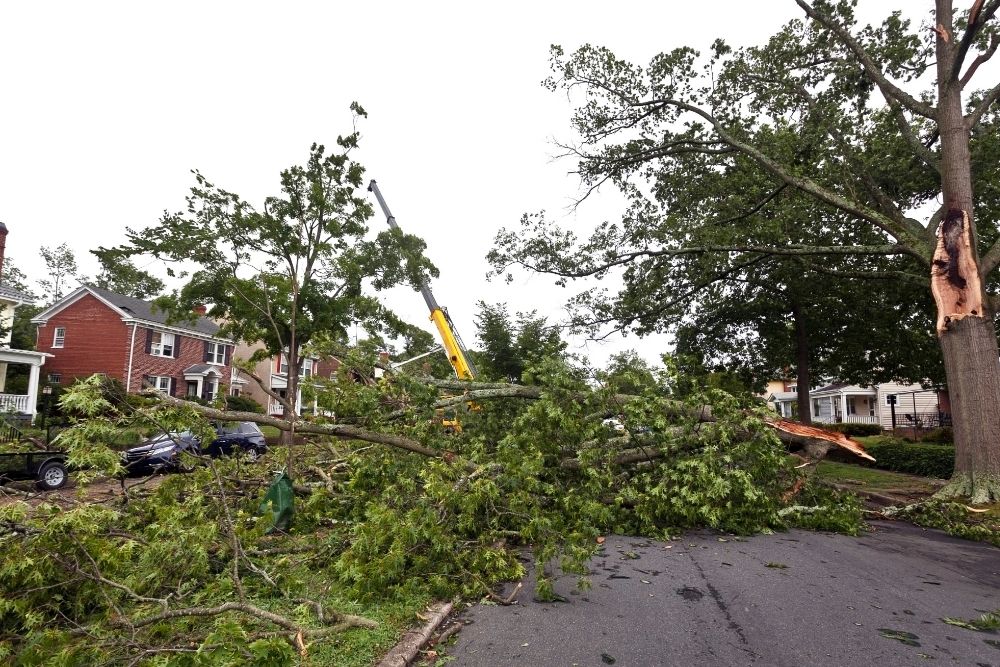
Tree maintenance is another important preventive measure. Dead branches and weak trees are more likely to fall during severe storms. Trimming trees regularly reduces the risk of damage to roofs, vehicles, and power lines.
Drainage around the property should also be evaluated. Landscaping should direct water away from the home rather than toward the foundation. Proper yard grading and erosion control can help minimize flooding during heavy rainfall. Outdoor preparation plays a major role in reducing overall hurricane-related property damage.
Recovering Safely After a Hurricane
The recovery process after a hurricane can be overwhelming, especially when homes experience flooding, roof damage, or structural issues. Safety should always remain the top priority after severe weather passes.
Homeowners should avoid entering damaged buildings until authorities confirm the area is safe. Electrical hazards, gas leaks, and unstable structures can pose serious risks. Protective gear such as gloves and boots should be worn during cleanup efforts.
Documenting damage with photographs is important for insurance claims. Homeowners should contact their insurance providers as soon as possible to begin the claims process. Quick action may help speed up repairs and financial assistance.
Professional restoration services are often necessary after major storms. Water extraction, structural drying, debris removal, and mold prevention require specialized equipment and expertise. Prompt cleanup reduces long-term damage and helps homeowners restore safe living conditions more efficiently after hurricanes.
Conclusion
Hurricane preparation is essential for protecting your home, family, and finances during severe weather events. From strengthening roofs and securing windows to preparing emergency kits and evacuation plans, proactive steps can significantly reduce storm-related risks. Proper planning also helps homeowners recover more quickly after hurricanes and minimizes the impact of flooding and structural damage. Professional storm damage restoration services may also be necessary after severe storms to address water intrusion, mold growth, and property repairs.
If your property experiences storm-related damage, contact JGW Group Water Damage Restoration in Las Vegas, NV for professional assistance. Their experienced team provides reliable restoration services to help homeowners recover quickly and safely after hurricanes and severe storms. Call 725-525-3122 today to learn more about their emergency restoration solutions.