
Smoke damage can leave behind more than unpleasant odors and stained walls. It can also create serious health concerns that affect everyone inside a home or business. After a fire, many property owners focus on visible structural damage, but hidden smoke residue and airborne contaminants can continue causing problems long after the flames are gone. That is why professional Water Damage Restoration and smoke cleanup services are essential for restoring a safe indoor environment.
Smoke particles can settle into furniture, carpets, HVAC systems, and walls within minutes. Without proper cleanup, these contaminants may trigger respiratory issues, skin irritation, and long-term health complications. Understanding the health risks associated with smoke damage helps property owners make informed decisions about cleanup and restoration. This guide explains the most common smoke-related health hazards, how exposure occurs, and why immediate restoration matters after a fire event.
How Smoke Particles Affect Indoor Air Quality
Smoke contains a mixture of toxic gases, ash, soot, and microscopic particles that can quickly spread throughout a property. Even areas untouched by flames may suffer contamination because smoke travels through vents, doorways, and hidden spaces. Once smoke particles settle indoors, they continue circulating through the air whenever the HVAC system runs or surfaces are disturbed.
Poor indoor air quality caused by smoke damage can impact breathing almost immediately. Individuals may experience coughing, sneezing, throat irritation, headaches, or watery eyes after exposure. The effects are often worse in enclosed spaces where ventilation is limited. Lingering smoke odors are also a sign that harmful particles remain trapped within materials.
Children, seniors, and individuals with asthma are particularly vulnerable to smoke exposure. Prolonged inhalation of smoke-contaminated air may aggravate respiratory conditions and reduce overall air quality throughout the property. Professional cleanup helps eliminate hidden contaminants that regular household cleaning methods often miss.
Specialized filtration equipment, air scrubbers, and deep cleaning techniques are commonly used during restoration to improve indoor air quality. Removing smoke residue from all affected surfaces is essential for creating a healthier environment after a fire.
Respiratory Problems Caused by Smoke Exposure
One of the most common health risks associated with smoke damage is respiratory irritation. Smoke contains fine particulate matter that can enter the lungs and irritate the respiratory system. These tiny particles are often invisible but can remain suspended in the air long after a fire has been extinguished.
Short-term smoke exposure may cause symptoms such as coughing, wheezing, chest tightness, and shortness of breath. Individuals with pre-existing respiratory conditions may notice worsening symptoms after spending time in a smoke-damaged property. Even healthy individuals can experience discomfort if exposure continues for an extended period.
Long-term exposure to smoke residue may contribute to chronic respiratory issues. Soot particles can settle deep into fabrics, insulation, and ventilation systems, continuously releasing contaminants into the air. Without proper remediation, these pollutants may linger for weeks or even months.
The Hidden Dangers of Soot Residue
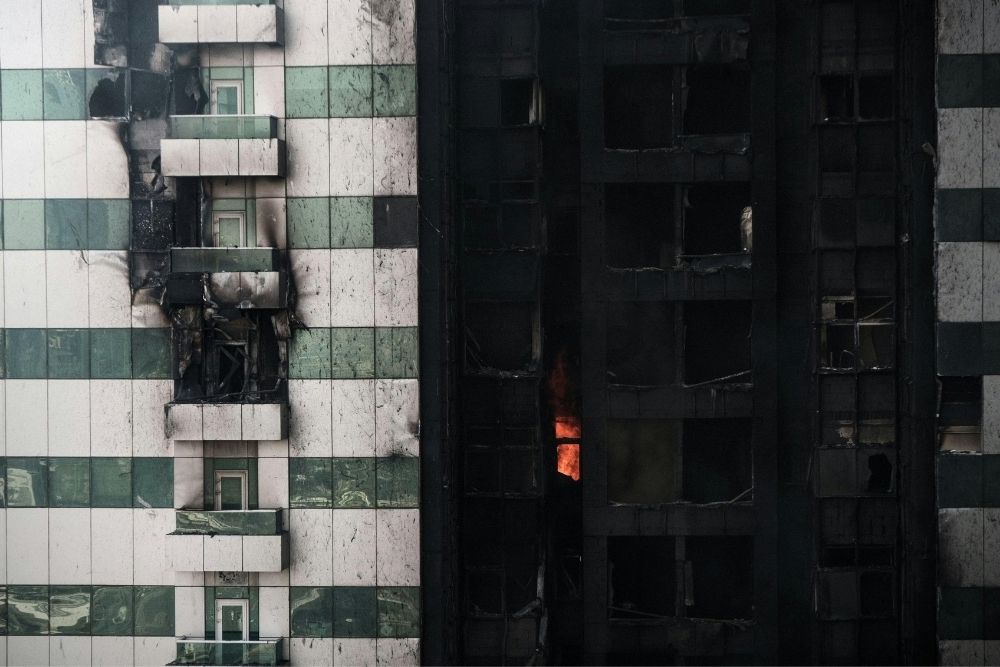
Soot is one of the most hazardous byproducts left behind after a fire. It consists of tiny carbon particles mixed with toxic chemicals produced when materials burn. Because soot particles are extremely small, they can spread rapidly and penetrate porous materials throughout the property.
Direct contact with soot may irritate the skin and eyes. Many people develop redness, itching, or discomfort after touching contaminated surfaces. Soot can also stain clothing, furniture, and walls, making cleanup more difficult if not addressed immediately.
Inhalation of soot particles presents an even greater concern. These particles may contain harmful compounds linked to respiratory and cardiovascular issues. Exposure can become especially dangerous when soot accumulates inside HVAC systems and continues circulating through indoor air.
Attempting to clean soot without professional equipment may actually spread contamination further. Improper cleaning methods can release particles back into the air, increasing exposure risks. Restoration specialists use specialized techniques and protective equipment to safely remove soot while preventing additional contamination inside the property.
Smoke Damage and Long-Term Health Concerns
Although immediate symptoms are common after smoke exposure, long-term health effects can also develop over time. Repeated exposure to smoke-contaminated environments may contribute to ongoing respiratory irritation, reduced lung function, and chronic inflammation.
Certain materials burned during fires release toxic chemicals into the air. Plastics, synthetic fabrics, and household products may produce hazardous compounds when exposed to high heat. These contaminants can remain embedded in building materials long after visible smoke disappears.
Some individuals experience persistent headaches, fatigue, dizziness, or sinus irritation following prolonged exposure to smoke damage. Sensitive groups, including children and older adults, may face higher risks due to weakened immune or respiratory systems.
Addressing smoke damage quickly is important for reducing potential long-term effects. Professional Water Damage Restoration and fire damage cleanup services help remove contaminated materials and improve indoor safety. Thorough cleaning, deodorization, and air purification can significantly reduce health risks associated with lingering smoke particles.
Why Smoke Odors Should Never Be Ignored
Persistent smoke odors are more than just an unpleasant reminder of a fire. Lingering smells often indicate that smoke particles and soot residue remain trapped within the property. These contaminants can continue affecting indoor air quality even when surfaces appear clean.
Smoke odors commonly become embedded in carpets, upholstery, drywall, insulation, and HVAC systems. Over-the-counter sprays and air fresheners may temporarily mask the smell, but they rarely eliminate the source of contamination. Without proper treatment, odors may return repeatedly.
Breathing in odor-causing particles can trigger headaches, nausea, and respiratory discomfort. Individuals with allergies or asthma may experience stronger reactions when exposed to lingering smoke residue. Persistent odors can also create emotional stress and discomfort for property occupants.
Professional restoration companies use specialized deodorization methods designed to neutralize smoke at its source. Thermal fogging, ozone treatments, and deep cleaning techniques help eliminate embedded smoke particles rather than simply covering them up. Proper odor removal improves both comfort and indoor safety after a fire.
Health Risks for Children and Elderly Individuals
Certain groups face greater health risks from smoke damage exposure. Children and elderly individuals are especially vulnerable because their respiratory and immune systems are often more sensitive to airborne contaminants.
Children breathe more rapidly than adults, which may increase the amount of smoke particles entering their lungs. Exposure to soot and smoke residue can aggravate asthma, allergies, and other breathing conditions. Young children may also touch contaminated surfaces frequently, increasing contact with harmful residue.
Older adults may experience more severe complications from smoke exposure due to existing health conditions or weakened immune systems. Respiratory illnesses, heart disease, and reduced lung capacity can make recovery from smoke-related irritation more difficult.
The Importance of Professional Smoke Damage Cleanup
Cleaning smoke damage without professional assistance can be risky and ineffective. Smoke particles spread into hidden areas where household cleaning methods often fail to reach. Improper cleanup may worsen contamination and expose occupants to additional health hazards.
Professional restoration specialists use industry-grade equipment designed to safely remove smoke residue and improve air quality. Protective gear, air scrubbers, HEPA filtration systems, and advanced deodorization techniques help eliminate harmful contaminants throughout the property.
Restoration experts also inspect hidden damage that property owners may overlook. Smoke can penetrate insulation, ceiling cavities, and ventilation systems, creating ongoing contamination risks if left untreated. Thorough inspections ensure all affected areas receive proper attention.
Hiring experienced restoration professionals helps restore safety, reduce health concerns, and prevent long-term property damage. Fast response times are especially important because smoke residue becomes harder to remove the longer it remains inside the property.
Preventing Ongoing Smoke Damage Exposure
Reducing exposure after a fire begins with acting quickly. Property owners should avoid staying inside heavily smoke-damaged spaces until professionals assess the situation. Opening windows may help temporarily improve airflow, but proper cleanup is still necessary to remove hidden contaminants.
Replacing HVAC filters and shutting down contaminated ventilation systems can help prevent smoke particles from spreading further throughout the property. Avoid disturbing soot-covered surfaces because particles may become airborne again during cleaning attempts.
Professional Water Damage Restoration and fire restoration services often include deep cleaning, deodorization, and structural drying when firefighting efforts cause additional water damage. Addressing both smoke and moisture damage is essential for preventing mold growth and maintaining indoor safety.
Conclusion
Smoke damage can create serious health risks that extend far beyond visible fire damage. Poor indoor air quality, respiratory irritation, soot exposure, and lingering contaminants can affect both short-term comfort and long-term health. Fast and professional cleanup is essential for restoring a safe living environment after a fire.
If your property has experienced smoke or fire damage, professional restoration services can help protect your health and prevent further damage. JGW Group Water Damage Restoration proudly serves property owners throughout Las Vegas with reliable restoration solutions. From smoke cleanup to complete Water Damage Restoration, their team works quickly to restore safe and healthy conditions. For immediate assistance, contact JGW Group Water Damage Restoration at 725-525-3122 today.