After a fire, the visible damage is only part of the problem. Lingering smoke odors can remain trapped in walls, carpets, furniture, and ventilation systems long after the flames are gone. Professional fire damage restoration is essential because smoke particles penetrate deep into surfaces and continue affecting indoor air quality if not properly removed. Many homeowners discover that ordinary cleaning products cannot fully eliminate stubborn smoke smells.
The smoke odor removal process involves specialized cleaning, deodorization, and air purification methods designed to remove odors at their source. Without proper restoration, smoke odors can spread throughout the property and create long-term discomfort for occupants. Understanding how professionals remove smoke odors can help property owners make informed decisions after a fire and ensure their home or business is restored safely and effectively.
Why Smoke Odors Are Difficult to Remove
Smoke odors are difficult to eliminate because smoke particles are microscopic and easily absorbed into porous materials. Walls, carpets, furniture, insulation, curtains, and wood surfaces can all trap odor-causing residue deep inside their structure. Even after visible soot is cleaned away, lingering particles may continue releasing unpleasant smells into the air.
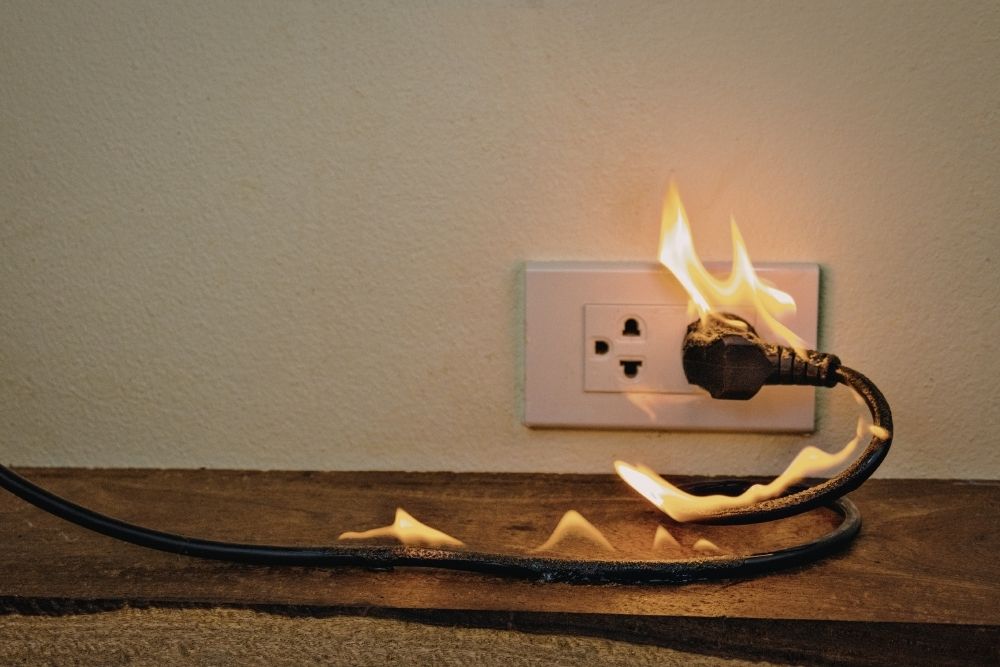
Different types of fires also create different kinds of smoke contamination. Kitchen fires, electrical fires, and fires involving synthetic materials each produce unique residues and odors. Some smoke particles are dry and powdery, while others leave behind oily residue that sticks to surfaces. This is why professional restoration companies use different cleaning methods depending on the type of fire damage involved.
Humidity can also reactivate smoke odors over time. During warm or humid conditions, trapped particles may release smells back into the air, making the odor seem stronger again. This often happens when smoke damage has not been completely treated.
Inspection and Assessment of Smoke Damage
The first step in the smoke odor removal process is a detailed inspection of the affected property. Restoration professionals evaluate the extent of the smoke damage and identify areas where odors have spread. Smoke can travel far beyond the original fire source, affecting hidden spaces such as air ducts, attics, and wall cavities.
During the inspection, technicians assess walls, ceilings, flooring, furniture, upholstery, and HVAC systems. They determine which materials can be cleaned and which may need replacement. Some porous materials absorb smoke so deeply that complete odor removal becomes impossible without replacement.
Professionals also check for water damage caused by firefighting efforts. Moisture combined with smoke residue can create additional odor problems and increase the risk of mold growth. Addressing both fire and water damage is important for a complete restoration.
Soot and Residue Removal Process
Before odors can be eliminated, soot and smoke residue must be removed from all affected surfaces. Soot contains tiny particles that continue producing odors if they remain inside the property. Proper cleaning is one of the most important parts of the restoration process.
Restoration professionals use specialized vacuums, dry-cleaning sponges, and cleaning solutions to remove soot from walls, ceilings, floors, and furniture. Different cleaning methods are used depending on the type of residue present. Dry soot can often be vacuumed carefully, while oily residue from synthetic materials requires stronger chemical cleaners.
Carpets and upholstered furniture usually require deep cleaning to remove embedded smoke particles. Hot water extraction and steam cleaning are commonly used to clean fabrics and flooring. In severe cases, heavily contaminated materials may need replacement if odors cannot be fully removed.
Air Filtration and Ventilation
Airborne smoke particles often remain inside a building even after surfaces have been cleaned. Professional air filtration and ventilation are essential for improving indoor air quality and removing lingering contaminants from the air.
Restoration companies use industrial-grade air scrubbers equipped with HEPA filters to capture microscopic smoke particles. These systems continuously filter the indoor air during the restoration process. HEPA filtration helps prevent smoke contaminants from recirculating throughout the property.
Ventilation is another important part of smoke odor removal. Controlled airflow systems are used to push contaminated air outside while bringing clean air into the building. Simply opening windows is usually not enough because smoke particles often remain trapped inside materials and ventilation systems.
HVAC systems also require professional cleaning after a fire. Smoke residue can collect inside air ducts and continue spreading odors every time the heating or cooling system operates.
Deep Cleaning of Furniture and Belongings
Smoke odors do not only affect the structure of a property. Furniture, clothing, electronics, curtains, and personal belongings can also absorb smoke residue. Professional restoration services use specialized cleaning techniques to restore salvageable items and eliminate odors.
Upholstered furniture is often treated with deep-cleaning methods designed to remove smoke particles trapped inside the fabric. Wood furniture may require deodorization treatments and refinishing if odors have penetrated the surface. Clothing and fabrics are cleaned using specialized laundry systems intended for smoke-damaged materials.
Electronics are especially sensitive to smoke contamination. Smoke residue can damage internal components and reduce the lifespan of devices. Restoration professionals carefully clean electronics using safe dry-cleaning methods and controlled environments.
Saving personal belongings is an important part of the restoration process. Many items that appear damaged by smoke can often be restored successfully with professional cleaning techniques.
Thermal Fogging and Deodorization
Thermal fogging is one of the most effective methods used during smoke odor removal. This process uses heated deodorizing agents to create a fog that penetrates surfaces in the same way smoke originally spread throughout the property.
The deodorizing fog reaches cracks, porous materials, and hidden spaces where smoke particles remain trapped. Instead of simply masking odors, thermal fogging neutralizes odor molecules at their source. This makes it highly effective for severe smoke odor problems.
Professional restoration technicians carefully control the fogging process to ensure the deodorizing treatment spreads evenly throughout the affected areas. Occupants usually need to leave the property temporarily while the treatment is performed.
Ozone and Hydroxyl Treatments
Advanced deodorization methods such as ozone and hydroxyl treatments are often used for stubborn smoke odors. These technologies neutralize odor molecules at the molecular level and help remove smells that remain after traditional cleaning.
Ozone generators produce ozone gas, which reacts with smoke particles and breaks them down. Ozone treatment can reach hidden areas where odors may still be trapped. However, buildings must remain unoccupied during treatment because ozone can be harmful to people and pets.
Hydroxyl generators are another option for smoke odor removal. These machines create hydroxyl radicals that safely neutralize odors in occupied spaces. Hydroxyl treatments are often used in homes or businesses where evacuation is not practical.
Restoration professionals determine which treatment is most appropriate based on the severity of the smoke damage and the condition of the property. These advanced deodorization methods are highly effective when combined with professional cleaning and air purification techniques.
Preventing Smoke Odors From Returning
Preventing smoke odors from returning is an important part of the restoration process. Even small amounts of hidden smoke residue can cause odors to reappear weeks or months later if not properly treated.
One common prevention method is sealing affected surfaces with specialized primers. These sealants lock in microscopic particles that may remain after cleaning and prevent odors from escaping into the air. Walls and ceilings are often sealed before repainting begins.
Severely contaminated materials may also need replacement. Insulation, drywall, carpets, or upholstered furniture that cannot be fully cleaned should be removed to ensure long-term odor elimination.
Regular HVAC maintenance also helps prevent odor problems. Clean duct systems and air filters improve indoor air quality and reduce the risk of smoke particles circulating throughout the building.
Why Professional Restoration Services Matter
Smoke odor removal is a complex process that requires specialized equipment and experience. DIY cleaning methods may reduce odors temporarily, but they rarely eliminate smoke contamination completely. Professional restoration companies understand how smoke spreads and how to remove odors at their source.
Experienced technicians use industrial-grade cleaning products, air filtration systems, and deodorization equipment that are far more effective than standard household cleaners. They also know how to safely clean different materials without causing additional damage.
Professional FIRE DAMAGE RESTORATION services help improve indoor air quality and create a safer environment for occupants. Smoke residue contains chemicals that may affect respiratory health if left untreated.
Conclusion
The smoke odor removal process involves detailed cleaning, air purification, deodorization, and preventative treatments to fully eliminate lingering smoke smells after a fire. Removing odors requires much more than surface cleaning because smoke particles penetrate deeply into materials throughout the property. Professional restoration services help ensure odors are removed completely and indoor air quality is restored safely.
If your property has experienced smoke or fire damage, JGW Group Water Damage Restoration in Las Vegas provides professional restoration solutions designed to restore your home or business quickly and effectively. Their experienced team uses advanced equipment and proven techniques to remove smoke odors and repair fire damage. For immediate assistance, contact JGW Group Water Damage Restoration at 725-525-3122 to schedule expert restoration services today.