Storms can leave behind serious property damage, hazardous debris, flooding, and electrical dangers that put homeowners and businesses at risk. After severe weather hits, understanding the right storm cleanup safety tips can help prevent injuries, protect your property, and speed up the recovery process. Whether you are dealing with heavy rain, flooding, fallen trees, or roof damage, taking the proper precautions matters.
Professional storm damage restoration services are often necessary after major storms because hidden moisture, structural damage, and contaminated water can create long-term problems if not addressed quickly. From electrical hazards to mold growth, storm cleanup requires careful planning and safe execution. This guide covers essential safety tips to help homeowners stay protected during the cleanup process while minimizing additional damage to their property.
Assess the Property Before Starting Cleanup
Before beginning any cleanup work, it is important to inspect the property carefully from a safe distance. Storms can weaken roofs, walls, foundations, and trees without obvious signs of danger. Walking into an unstable structure too quickly could lead to serious injuries.
Look for visible hazards such as downed power lines, gas leaks, broken windows, hanging branches, and standing water near electrical systems. If you suspect structural damage, avoid entering the building until a professional inspection is completed. Safety should always come before saving belongings or starting repairs.
Taking photos of the damage is also recommended before moving debris or making temporary fixes. Documentation helps support insurance claims and provides a clear record of the storm’s impact. A careful assessment allows homeowners to create a safer cleanup plan and identify areas that may require professional storm damage restoration services.
Watch for Electrical Hazards
Electrical dangers are one of the most serious risks after a storm. Floodwater and damaged wiring can create life-threatening conditions even after the storm has passed. Never enter standing water if electrical outlets, appliances, or power cords are nearby.
If the power is still active, turn off electricity at the main breaker only if it is safe to do so. Avoid touching wet electrical equipment and never use damaged extension cords or generators indoors. Carbon monoxide poisoning from improper generator use is another common hazard during storm recovery.
Professional electricians should inspect any damaged wiring before electricity is restored. Water exposure can weaken electrical systems and increase the risk of fires later. During storm cleanup, homeowners should remain cautious around all electrical components and prioritize safety over convenience.
Use Proper Protective Equipment
Protective gear is essential during storm cleanup because debris, contaminated water, and sharp objects can cause injuries or illness. Even small cleanup tasks may expose homeowners to bacteria, mold spores, broken glass, nails, or hazardous chemicals.
Wear heavy-duty gloves, safety goggles, long sleeves, waterproof boots, and a mask when cleaning storm-damaged areas. If mold growth is visible or suspected, respiratory protection becomes especially important. Floodwater may also contain sewage or harmful contaminants that should never come into direct contact with skin.
Using proper safety equipment helps reduce the risk of infections, cuts, respiratory problems, and other health issues. Storm cleanup often involves unpredictable hazards, so dressing appropriately is one of the simplest ways to stay protected throughout the restoration process.
Remove Standing Water Quickly
Standing water can rapidly create serious damage inside a property. Within hours, moisture begins soaking into floors, drywall, insulation, and furniture. If left untreated, mold growth may begin within 24 to 48 hours.
Water removal should start as quickly as possible using pumps, wet vacuums, fans, and dehumidifiers. However, safety must remain the priority. Floodwater may contain bacteria, chemicals, or debris that make cleanup dangerous without proper protection.
Fast water extraction helps reduce structural damage and lowers restoration costs. Professional storm damage restoration teams often use industrial drying equipment to eliminate hidden moisture trapped behind walls and under flooring. Quick action is critical to preventing long-term water damage after severe weather.
Be Careful Around Fallen Trees and Debris
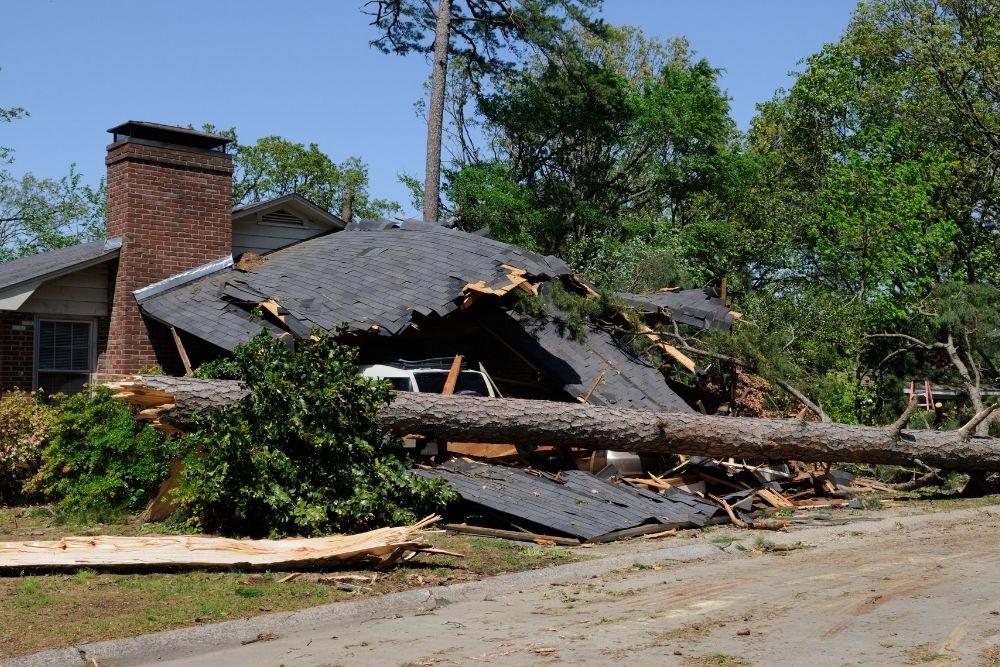
Storm debris can create hidden dangers throughout a property. Fallen trees, broken branches, damaged fences, and scattered construction materials may shift unexpectedly during cleanup. Large branches or partially fallen trees can collapse without warning.
Avoid attempting to remove heavy debris without proper equipment and experience. Chainsaws, ladders, and unstable surfaces increase the likelihood of accidents during storm recovery. If power lines are tangled in tree branches, stay far away and contact utility professionals immediately.
Clearing debris safely requires patience and awareness of your surroundings. Working slowly and using the right tools can help prevent injuries while making the cleanup process more manageable. Professional assistance may be necessary for major debris removal or dangerous tree damage.
Prevent Mold Growth After the Storm
Mold is one of the most common problems following water intrusion from storms. Excess moisture trapped inside walls, carpets, and ceilings creates the perfect environment for mold colonies to grow rapidly.
Drying affected areas thoroughly is essential to reducing mold risks. Open windows when weather permits, run fans continuously, and remove water-damaged materials that cannot be salvaged. Items such as soaked insulation, carpet padding, and drywall may need replacement if heavily saturated.
Homeowners should also monitor for signs of mold, including musty odors, discoloration, or worsening allergy symptoms. Professional storm damage restoration companies can identify hidden moisture and use specialized equipment to fully dry affected areas before mold becomes a larger issue.
Avoid DIY Repairs for Major Damage
Temporary repairs may help protect a property immediately after a storm, but major restoration work should be left to trained professionals. Roofing damage, structural issues, electrical repairs, and severe flooding require specialized knowledge and equipment.
Attempting complex repairs without experience can worsen the damage or create unsafe conditions. Improper roof repairs may lead to leaks, while incorrect water removal methods can leave hidden moisture behind walls and flooring.
Professional restoration teams understand how to safely assess storm damage and restore properties according to industry standards. They can also help identify issues that homeowners may overlook during cleanup. Investing in professional assistance often saves time, money, and stress during recovery.
Work With Your Insurance Company Properly
Filing an insurance claim is an important part of storm recovery. Accurate documentation and clear communication with the insurance company can help speed up the claims process and improve the chances of fair compensation.
Take detailed photos and videos of all damage before cleanup begins. Keep receipts for temporary repairs, hotel stays, cleanup supplies, and restoration services. Organized records provide important evidence during the claims review process.
Many storm damage restoration companies also assist homeowners with documentation and communication during insurance claims. Understanding your policy coverage and acting quickly after the storm can make the recovery process smoother and less overwhelming.
Conclusion
Recovering from severe weather can be stressful, but following the right storm cleanup safety tips helps protect your family, property, and health. From avoiding electrical hazards to preventing mold growth, every step of the cleanup process should focus on safety first. Quick action, proper protective equipment, and professional assistance can make a major difference in preventing additional damage.
If your property has experienced flooding, water intrusion, or severe storm damage, JGW Group Water Damage Restoration is here to help homeowners and businesses throughout Las Vegas, NV. Our experienced team provides reliable restoration services designed to restore your property safely and efficiently. Call 725-525-3122 today for professional storm recovery assistance.