
Storms can happen without warning and leave behind serious damage to homes and businesses. From high winds and heavy rain to flooding and fallen debris, severe weather can create dangerous situations that require immediate attention. Having a reliable storm safety checklist is one of the best ways to protect your property, your family, and your peace of mind. Preparing before a storm hits and knowing what to do afterward can reduce injuries, limit property damage, and speed up recovery efforts.
Understanding the importance of storm damage restoration is also critical because storm-related destruction often affects roofing, walls, electrical systems, and water drainage areas. Quick action can prevent further structural issues and mold growth. This guide explains the essential steps every homeowner should follow before, during, and after a major storm to stay safe and minimize long-term damage.
Prepare an Emergency Supply Kit
Every storm safety checklist should begin with a fully stocked emergency supply kit. Storms can cause power outages, road closures, and communication disruptions that may last for several days. Having basic necessities prepared ahead of time can make a major difference during an emergency situation.
Your emergency kit should include bottled water, non-perishable food, flashlights, batteries, medications, first-aid supplies, phone chargers, and important documents stored in waterproof containers. It is also smart to keep extra clothing, blankets, and hygiene products ready in case evacuation becomes necessary. Families with children or pets should include specialized supplies for their specific needs.
Store your emergency supplies in a location that is easy to access quickly. Check expiration dates regularly and replace outdated items throughout the year. Being prepared before severe weather arrives helps reduce stress and allows you to focus on keeping your household safe when conditions become dangerous.
Inspect Your Roof and Exterior
Your roof is one of the most vulnerable parts of your property during severe weather. Strong winds, hail, and heavy rain can quickly damage shingles, gutters, and flashing. Conducting a roof inspection before storm season can help identify weak areas that may worsen during bad weather conditions.
Look for loose shingles, cracks, clogged gutters, or signs of water intrusion around the home. Trimming nearby tree branches can also reduce the risk of falling limbs damaging your property during high winds. Reinforcing garage doors and securing outdoor furniture are additional steps that improve storm readiness.
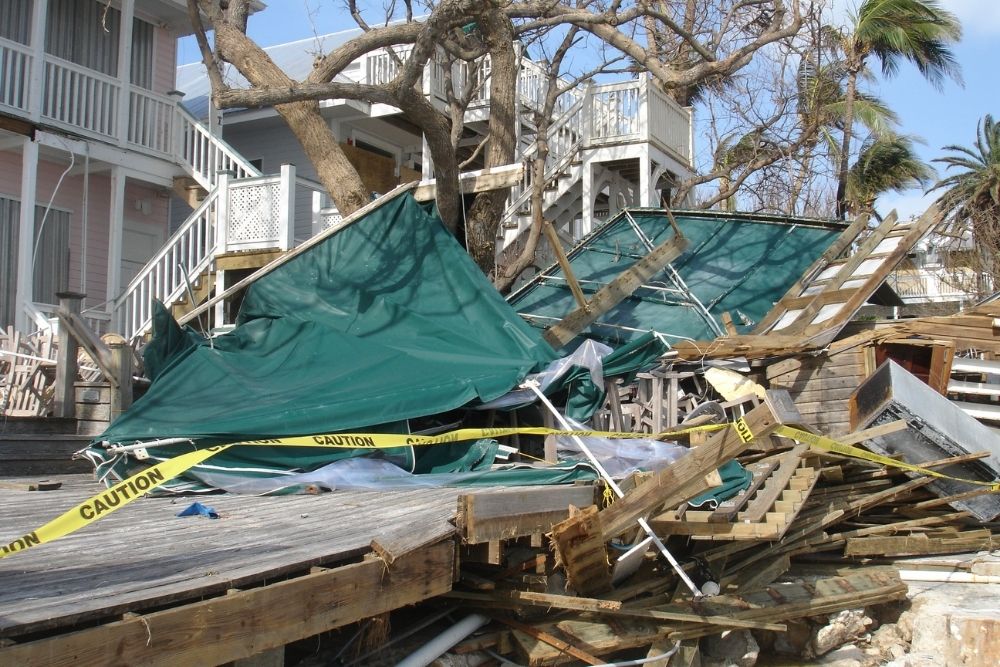
After severe weather passes, inspect the exterior carefully for visible damage. Even small leaks can lead to expensive repairs if ignored. Professional storm damage restoration services may be necessary when significant structural or water damage occurs. Addressing issues quickly can help prevent mold growth and further deterioration inside the property.
Create a Family Communication Plan
Storm emergencies often create confusion and panic, especially when communication systems become unreliable. A clear family communication plan helps everyone understand what to do and where to go if separated during severe weather conditions.
Choose a safe meeting location both inside and outside your neighborhood. Make sure every family member knows important phone numbers and emergency contacts. It is also useful to establish an out-of-state contact person who can relay information if local communication networks fail.
Practice your emergency plan regularly so children and elderly family members feel confident during stressful situations. Discuss evacuation routes, nearby shelters, and emergency procedures ahead of time. Preparation reduces uncertainty and allows your family to react quickly and safely during storms.
Protect Important Documents and Valuables
Storms can destroy valuable documents and personal belongings within minutes. Water intrusion, flooding, and structural collapse may permanently damage important records if they are not properly protected beforehand.
Store birth certificates, passports, insurance paperwork, property records, and financial documents in waterproof and fireproof containers. Digital backups saved on secure cloud storage systems can provide additional protection if physical copies become damaged. Taking photographs of valuables and household items may also help support insurance claims after a storm.
Move expensive electronics and sentimental items away from flood-prone areas whenever severe weather is expected. Proper preparation helps simplify recovery efforts and reduces stress during the insurance and repair process after a storm event.
Know When to Evacuate
One of the most important parts of any storm safety checklist is understanding when evacuation becomes necessary. Waiting too long to leave can place you and your family in serious danger, especially during flash floods, hurricanes, or tornado warnings.
Pay close attention to local weather alerts and emergency broadcasts. Authorities issue evacuation orders to protect residents from life-threatening conditions. If evacuation is recommended, leave immediately and avoid flooded roads or damaged areas whenever possible.
Prepare a travel bag with essential items including medications, identification, cash, chargers, and clothing. Keeping your vehicle fueled during storm season can also prevent unnecessary delays. Staying informed and acting quickly can significantly improve safety during severe weather emergencies.
Stay Safe During the Storm
Once the storm arrives, personal safety becomes the top priority. Stay indoors and avoid windows, glass doors, and exterior walls during periods of strong winds or lightning activity. Basements or interior rooms usually provide the safest shelter during tornado warnings.
Avoid using electrical appliances during severe lightning storms. If flooding occurs, turn off electricity if it is safe to do so and move to higher ground immediately. Never walk or drive through floodwaters because hidden debris and strong currents can create deadly conditions.
Keep battery-powered radios or mobile devices available for emergency updates. Remaining calm and following official safety instructions can help reduce injuries and improve survival during dangerous weather situations.
Assess Property Damage Carefully
After the storm passes, it is important to inspect your property cautiously. Structural damage, gas leaks, exposed wiring, and contaminated floodwater can create ongoing hazards even after weather conditions improve.
Take photographs of all visible damage before starting cleanup efforts. Documenting the condition of your property can help support insurance claims and speed up the restoration process. Avoid entering heavily damaged structures until professionals confirm they are safe.
Water intrusion should be addressed immediately because moisture trapped inside walls and flooring can lead to mold growth within days. Professional storm damage restoration experts can identify hidden damage and help restore the property safely and efficiently after severe weather events.
Prevent Mold and Water Damage
Storm-related flooding and leaks create ideal conditions for mold growth. Moisture trapped inside building materials can quickly spread and affect indoor air quality, creating additional health and structural concerns.
Dry affected areas as soon as possible using fans, dehumidifiers, and proper ventilation. Remove water-damaged carpets, drywall, and furniture that cannot be fully cleaned or dried. Disinfect surfaces exposed to contaminated floodwater to reduce bacteria and mold risks.
Professional restoration teams often use specialized drying equipment and moisture detection tools to ensure hidden water damage is completely addressed. Fast action after storms can help prevent expensive repairs and long-term property damage.
Work With a Trusted Restoration Company
Severe storms can leave property owners overwhelmed by cleanup and repair responsibilities. Working with a trusted restoration company helps simplify the recovery process and ensures damage is handled properly from the beginning.
Experienced professionals can assess structural issues, remove standing water, dry affected areas, and repair damaged materials safely. Reliable contractors also help document losses for insurance purposes and guide property owners through restoration timelines.
Choosing a company with emergency response capabilities is important because fast service can reduce secondary damage and lower overall repair costs. A qualified restoration team provides peace of mind during stressful recovery situations after severe weather events.
Conclusion
Storm preparation is essential for protecting your home, belongings, and loved ones from severe weather hazards. A complete storm safety checklist includes emergency planning, property inspections, evacuation readiness, and immediate response strategies after the storm passes. Taking proactive steps before severe weather arrives can significantly reduce risks and help speed up recovery efforts afterward.
When major weather damage occurs, professional help is often necessary to restore your property safely and efficiently. For dependable storm damage restoration services in Las Vegas, NV, contact JGW Group Water Damage Restoration at 725-525-3122. Their experienced team can help homeowners recover from storm-related water damage, structural issues, and emergency cleanup needs quickly and professionally.