
Water damage can happen without warning, whether from a burst pipe, storm flooding, appliance leak, or roof issue. Understanding the water damage restoration timeline is important because it helps homeowners know what to expect during the recovery process and how quickly action should be taken to minimize damage. The longer water sits inside a property, the greater the risk of structural deterioration, mold growth, and costly repairs.
Every restoration project is different depending on the severity of the damage, the size of the affected area, and the type of water involved. Some projects may take only a few days, while major damage can require several weeks. Knowing the stages of restoration can reduce stress and help property owners make informed decisions throughout the process.
Emergency Response and Initial Inspection
The first stage in the restoration process begins immediately after the damage is discovered. Fast action is critical because standing water can quickly spread through walls, flooring, insulation, and furniture. Professional restoration companies typically provide emergency services to prevent the situation from worsening.
During the initial inspection, technicians assess the extent of the damage using moisture meters, infrared cameras, and visual evaluations. They determine the source of the water intrusion and identify whether the water is clean, gray, or contaminated. This classification affects the restoration approach and safety procedures.
The inspection also helps create a timeline for the project. Minor leaks may require minimal drying time, while severe flooding can involve structural repairs and material replacement. Technicians often document the damage for insurance purposes, making the claims process smoother for homeowners.
A quick inspection allows restoration teams to develop an effective action plan and begin mitigation immediately. Delays during this phase can significantly increase repair costs and recovery time.
Water Extraction and Removal
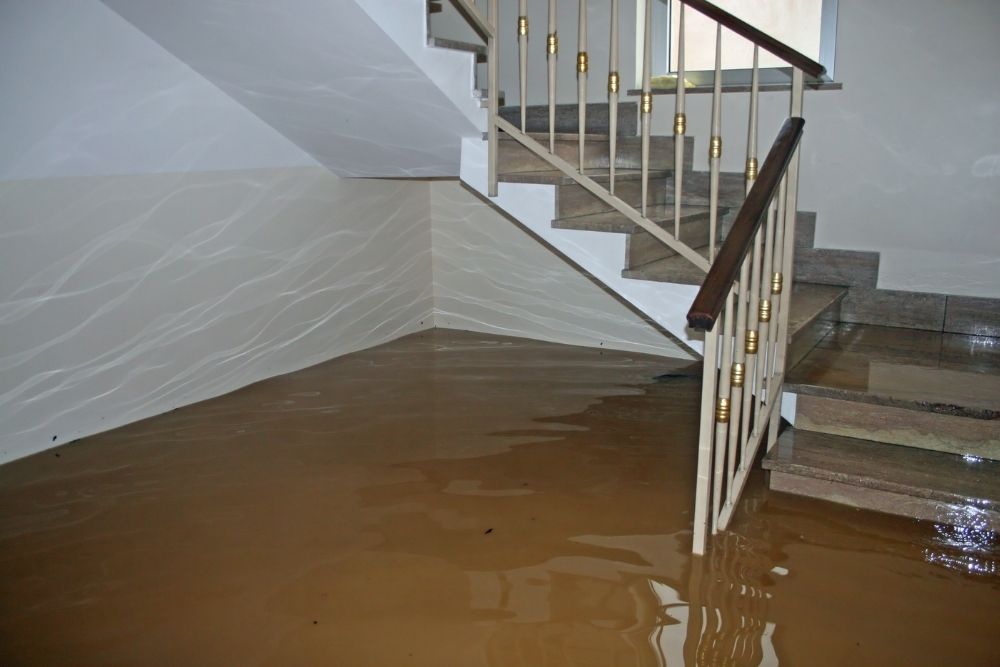
Once the inspection is complete, the next priority is removing standing water from the property. Water extraction usually starts within hours of the emergency call because prolonged exposure can weaken structural materials and encourage mold growth.
Industrial pumps and high-powered vacuums are used to remove large amounts of water quickly. In severe flooding situations, extraction may take several hours or even an entire day depending on the size of the property. Carpet, padding, and furniture may also need to be removed if they cannot be salvaged.
This stage is one of the most important parts of the water damage restoration process because effective extraction reduces drying time later. The less moisture remaining inside the property, the faster technicians can stabilize the environment.
After standing water is removed, crews inspect hidden areas such as under flooring and behind walls. Moisture trapped in these spaces can continue causing damage even after surfaces appear dry. Thorough extraction lays the foundation for a successful restoration project and helps prevent long-term issues.
Drying and Dehumidification Process
Even after visible water is removed, moisture often remains inside walls, ceilings, and flooring materials. Drying and dehumidification are essential to eliminate hidden moisture and restore normal humidity levels throughout the property.
Commercial air movers and dehumidifiers are strategically placed to accelerate evaporation. Depending on the severity of the damage, this phase can take anywhere from three to seven days. Technicians monitor moisture levels daily to ensure the structure is drying properly.
Certain materials dry at different rates. Hardwood flooring, drywall, and insulation may retain moisture longer than tile or concrete surfaces. Restoration professionals adjust equipment placement throughout the process to improve airflow and maximize efficiency.
Proper drying is necessary to avoid secondary damage such as warping, swelling, and mold growth. Rushing this stage can leave hidden moisture behind, which may create future structural problems. Consistent monitoring ensures the property reaches safe moisture levels before repairs begin.
Cleaning and Sanitizing Affected Areas
After the property is dry, the cleaning and sanitizing phase begins. Water intrusion often leaves behind dirt, bacteria, odors, and contaminants that require professional treatment. This step helps restore a safe and healthy indoor environment.
Technicians clean salvageable furniture, carpets, and personal belongings using specialized antimicrobial products. Air scrubbers and odor removal equipment may also be used to improve indoor air quality and eliminate unpleasant smells caused by moisture exposure.
If the water damage involved contaminated water from sewage backups or flooding, additional sanitation measures are required. Protective gear and advanced disinfecting methods help ensure the property is safe for occupants before reconstruction starts.
Cleaning is not only about appearance. It also protects residents from potential health risks linked to bacteria and mold exposure. Thorough sanitation gives homeowners peace of mind and prepares the property for the next phase of restoration.
Mold Prevention and Risk Management
Mold can begin developing within 24 to 48 hours after water exposure, making prevention a major part of the restoration timeline. Even small amounts of trapped moisture can create ideal conditions for mold growth inside walls, ceilings, and flooring systems.
Restoration professionals use moisture detection tools to locate hidden damp areas before mold develops. Antimicrobial treatments are commonly applied during drying and cleaning to reduce microbial growth. In some cases, sections of drywall or insulation may need removal if contamination is suspected.
Properties located in humid climates may require additional drying measures to maintain safe moisture levels. Continuous airflow and humidity control help reduce the likelihood of future mold problems.
Homeowners should understand that mold remediation can extend the overall restoration timeline if growth is already present. Early intervention remains the best defense against widespread contamination and expensive repairs. Preventive action during restoration saves time, money, and potential health concerns later.
Structural Repairs and Reconstruction
Once drying and cleaning are complete, the repair phase begins. The extent of reconstruction depends on how much damage occurred during the incident. Minor cases may only require repainting and drywall replacement, while major flooding can involve flooring, cabinetry, and structural rebuilding.
Contractors repair damaged walls, ceilings, insulation, and flooring materials that cannot be salvaged. Electrical systems and plumbing components may also need inspection or replacement if they were exposed to water.
The reconstruction stage often takes the longest because materials must be ordered, permits may be required, and multiple contractors may be involved. Simple repairs could take several days, while extensive rebuilding may continue for weeks.
Communication between homeowners, insurance providers, and restoration teams is important during this stage. Understanding the repair schedule helps homeowners prepare for temporary disruptions and maintain realistic expectations throughout the recovery process.
Factors That Affect the Restoration Timeline
No two restoration projects are exactly alike. Several factors influence how long the process will take from start to finish. One of the biggest variables is the amount of water involved and how long it remained inside the property before mitigation started.
The type of materials affected also impacts the timeline. Porous materials like drywall, carpet, and insulation absorb water quickly and may require replacement. Dense materials such as concrete typically dry more slowly but are often salvageable.
Weather conditions and indoor humidity levels can either accelerate or slow the drying process. Properties with poor ventilation may require additional equipment and monitoring to achieve proper drying results.
Insurance approvals and reconstruction complexity can also extend project timelines. Homes requiring specialized repairs or custom materials may take longer to restore completely. Understanding these factors helps homeowners stay patient and informed during the process.
Working With a Professional Restoration Company
Choosing an experienced restoration company can significantly improve both the speed and quality of recovery. Professional teams have the equipment, training, and expertise needed to handle every stage of the restoration process efficiently.
Certified technicians follow industry standards to ensure proper drying, cleaning, and reconstruction procedures are completed correctly. They also help homeowners navigate insurance documentation and communicate directly with adjusters when necessary.
A reliable company provides clear timelines, consistent updates, and transparent communication throughout the project. This reduces uncertainty and helps property owners feel more confident during a stressful situation.
Attempting major restoration work without professional assistance can lead to hidden moisture problems and incomplete repairs. Investing in experienced restoration services often saves homeowners time, money, and frustration in the long run.
Conclusion
Understanding the water damage restoration timeline helps homeowners prepare for each phase of recovery after a leak, flood, or plumbing emergency. From inspection and water extraction to drying, cleaning, and reconstruction, every step plays an important role in restoring the property safely and efficiently. Quick action is essential to minimize structural damage, prevent mold growth, and reduce overall repair costs.
If you need professional assistance with water damage recovery, contact JGW Group Water Damage Restoration in Las Vegas. Their experienced team provides fast and reliable restoration services to help homeowners recover quickly from unexpected water damage emergencies. Call 725-525-3122 today for immediate assistance and expert support.