

Mold can become a serious problem in homes and businesses when moisture is left untreated. Understanding what causes mold growth is important because mold can damage property, weaken building materials, and affect indoor air quality. Many property owners do not realize how quickly mold can spread once the right conditions are present. That is why professional mold remediation services are often necessary to remove contamination and prevent future issues.
Mold spores naturally exist in the environment, but they only grow when moisture, warmth, and organic materials are available. Leaks, humidity, poor ventilation, and flooding are some of the most common causes. Without proper cleanup, mold can begin spreading within 24 to 48 hours. Learning the main causes of mold growth can help homeowners and businesses take preventive action before the problem becomes expensive and difficult to manage.
Excess Moisture Inside the Home
Excess moisture is the leading cause of mold growth in residential and commercial properties. Mold thrives in damp conditions, especially in areas where water is allowed to sit for long periods. Even small amounts of moisture trapped behind walls or under flooring can create the perfect environment for mold colonies to spread.
Common sources of moisture include plumbing leaks, roof damage, overflowing sinks, and appliance malfunctions. Water from leaking pipes often goes unnoticed because it can remain hidden inside walls or ceilings for weeks. During that time, mold spores begin feeding on drywall, wood, and insulation materials.
Bathrooms, kitchens, laundry rooms, and basements are especially vulnerable because they regularly produce moisture. If these spaces are not dried properly, humidity levels increase and encourage mold development. Condensation on windows and pipes can also contribute to damp surfaces that support growth.
Poor Ventilation and Airflow
Poor ventilation allows humidity and moisture to remain trapped indoors, which increases the chance of mold growth. Homes and buildings need proper airflow to remove damp air and maintain balanced humidity levels. Without ventilation, moisture accumulates in enclosed spaces and creates ideal conditions for mold colonies.
Bathrooms are one of the most common problem areas because steam from hot showers quickly raises humidity. If exhaust fans are weak or rarely used, moisture settles onto walls, ceilings, and grout lines. Kitchens also produce large amounts of humidity during cooking, especially when ventilation systems are outdated.
Closets, attics, crawl spaces, and storage rooms are additional high-risk locations because air circulation is limited. Mold often develops in these areas without being noticed until odors or stains appear. Furniture placed tightly against walls can also trap moisture and restrict airflow.
Opening windows, using ceiling fans, and installing dehumidifiers can improve circulation and reduce dampness indoors. HVAC systems should also be inspected regularly to ensure they are functioning properly.
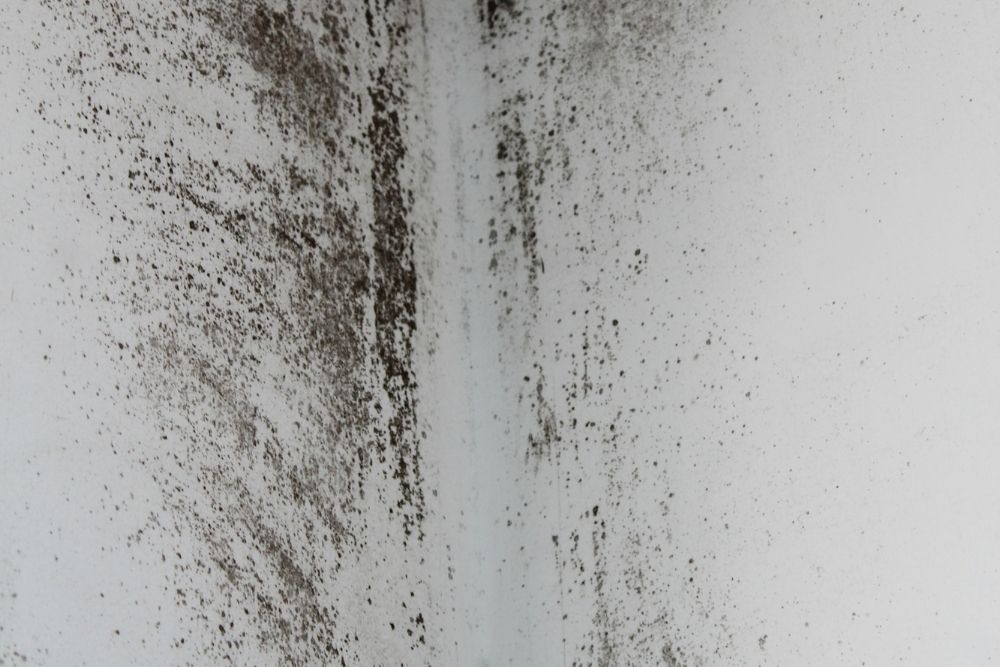
Water Damage From Flooding
Flooding creates one of the most dangerous situations for mold development because large amounts of water can soak into multiple surfaces at once. Whether caused by storms, burst pipes, or sewage backups, floodwater introduces moisture deep into flooring, drywall, insulation, and furniture.
After a flood, mold can begin growing within one to two days if materials are not dried quickly. Many homeowners focus only on visible standing water while hidden moisture remains trapped beneath surfaces. This hidden dampness often leads to severe contamination that spreads behind walls and under carpets.
Floodwater may also contain bacteria and contaminants, making cleanup even more complicated. Porous materials like drywall and carpeting often need replacement because they absorb moisture deeply. Delaying cleanup increases both repair costs and health risks.
Professional drying equipment is usually necessary after major water damage events. Industrial fans, moisture meters, and dehumidifiers help remove trapped water efficiently. Fast action is critical because the longer materials stay wet, the greater the chance mold will develop throughout the property.
High Indoor Humidity Levels
Humidity plays a major role in mold growth, especially in warm climates or poorly ventilated buildings. Indoor humidity above 60 percent creates enough moisture in the air to support mold development on walls, ceilings, furniture, and fabrics.
Daily activities such as showering, cooking, and drying clothes indoors increase humidity levels naturally. In humid regions, outdoor air can also enter the home and make moisture problems worse. Air conditioning systems that are too small or poorly maintained may struggle to control humidity effectively.
Condensation is a common warning sign of excessive indoor moisture. Water droplets on windows, pipes, or walls indicate that humidity levels are too high. Over time, these damp surfaces provide the moisture mold spores need to grow and spread.
Dehumidifiers can help maintain safer indoor humidity levels, especially in basements and crawl spaces. Property owners should also monitor HVAC systems and repair any ventilation problems quickly.
Roof Leaks and Structural Damage
Roof leaks are another major contributor to mold problems because they allow water to enter hidden areas of the building. Even small leaks can create serious moisture issues when left unrepaired for long periods. Water often travels through insulation, drywall, and wooden framing before becoming visible indoors.
Storm damage, cracked shingles, clogged gutters, and aging roofing materials are common causes of roof leaks. During heavy rain, moisture can seep into attics and ceilings where mold grows unnoticed. By the time stains appear on walls or ceilings, contamination may already be widespread.
Structural cracks around windows and foundations can also allow moisture intrusion. Water entering through damaged seals or weak construction materials creates damp environments inside walls. These hidden moisture pockets are ideal breeding grounds for mold colonies.
Regular roof inspections are essential for preventing long-term water damage. Property owners should repair leaks immediately and replace damaged materials before mold spreads. Early maintenance protects both the structure of the property and indoor air quality.
Plumbing Leaks and Pipe Problems
Plumbing leaks are one of the most overlooked causes of mold growth because many leaks occur behind walls or beneath flooring. Small drips may seem harmless at first, but continuous moisture buildup creates perfect conditions for mold development over time.
Leaking sinks, broken supply lines, damaged water heaters, and cracked pipes are common sources of hidden moisture. In older homes, corroded plumbing systems are especially vulnerable to leaks. Mold often grows around cabinets, baseboards, and under flooring where water accumulates unnoticed.
Pipe condensation can also contribute to mold problems, especially in humid climates. Cold water pipes create moisture on surrounding surfaces when warm air contacts them. Without insulation or proper airflow, dampness increases rapidly.
Routine plumbing inspections help identify small issues before they become larger problems. Repairing leaks quickly and drying affected areas thoroughly reduces the risk of contamination.
Organic Materials That Feed Mold
Mold requires organic material to survive and spread. Many common building materials provide nutrients that allow mold colonies to grow rapidly when moisture is present. Drywall, wood, carpet, insulation, wallpaper, and ceiling tiles are especially vulnerable.
Dust and dirt also contribute to mold growth because they contain organic particles mold can feed on. Even if surfaces appear clean, microscopic debris can support contamination in damp environments. This is why mold often develops in neglected storage areas and unused rooms.
Cardboard boxes, paper products, and fabric furniture can absorb moisture quickly and become breeding grounds for mold. Once spores settle onto these materials, growth can spread rapidly throughout nearby surfaces.
Keeping indoor spaces clean and dry reduces the amount of organic matter available for mold growth. Proper storage practices, regular vacuuming, and moisture control all play important roles in prevention.
Lack of Immediate Cleanup After Water Exposure
One of the biggest reasons mold spreads is delayed cleanup after water exposure. Many people underestimate how quickly mold can develop once surfaces become wet. Waiting too long to dry affected materials gives mold spores time to settle and multiply.
After leaks or flooding, carpets, drywall, and furniture absorb moisture rapidly. Even if surfaces appear dry on the outside, hidden moisture may remain trapped underneath. This creates ongoing dampness that encourages mold growth behind walls and flooring.
DIY cleanup methods may not fully remove moisture from deeper layers of the structure. Household fans alone are often not enough after significant water damage. Professional drying equipment is usually needed to eliminate hidden moisture completely.
Conclusion
Understanding what causes mold growth is the first step toward protecting your property from serious damage. Moisture problems, poor ventilation, flooding, plumbing leaks, and high humidity all create conditions where mold can spread quickly. Once mold develops, it can damage building materials and affect the overall safety of indoor spaces. Professional mold remediation services are often necessary to fully remove contamination and prevent future problems.
Regular inspections, fast water cleanup, and proper ventilation can significantly reduce the risk of mold growth. If you notice signs of mold or water damage, immediate action is important to avoid larger repairs later. For professional assistance, contact JGW Group Water Damage Restoration in Las Vegas at 725-525-3122 for expert mold and water damage restoration services.