Storms can leave behind serious destruction, from roof leaks and flooding to structural damage and mold growth. Knowing what steps to take immediately after a storm can help protect your property, reduce repair costs, and keep your family safe. Whether your home was affected by heavy rain, high winds, hail, or flooding, acting quickly is critical. Professional storm damage restoration services are designed to restore your property and prevent further damage from developing over time.
Many homeowners feel overwhelmed after a storm because the damage is not always obvious at first glance. Water can seep into walls, roofing materials may weaken, and hidden moisture can lead to mold problems within days. Understanding the proper process after storm damage can make recovery easier and more efficient. In this guide, we will explain the most important steps to take after a storm and how professional restoration experts can help protect your home and property.
Ensure Everyone’s Safety First
The first thing to do after a storm is make sure everyone is safe. Storms can leave behind dangerous conditions such as downed power lines, broken glass, unstable structures, and flooding. Before entering or inspecting your property, carefully check for hazards that could put you or your family at risk. If you suspect structural damage, it is best to stay outside and wait for professionals to assess the property.
Floodwater can also contain contaminants, sewage, or electrical hazards. Avoid walking through standing water unless you are certain it is safe. Turn off electricity and gas if you notice damage to utilities or if authorities recommend doing so. Safety should always come before cleanup or repairs.
If someone in your household has injuries, seek medical attention immediately. Even minor injuries can become serious if untreated. Once everyone is safe, you can begin documenting the damage and contacting professionals for help.
Inspect the Property Carefully
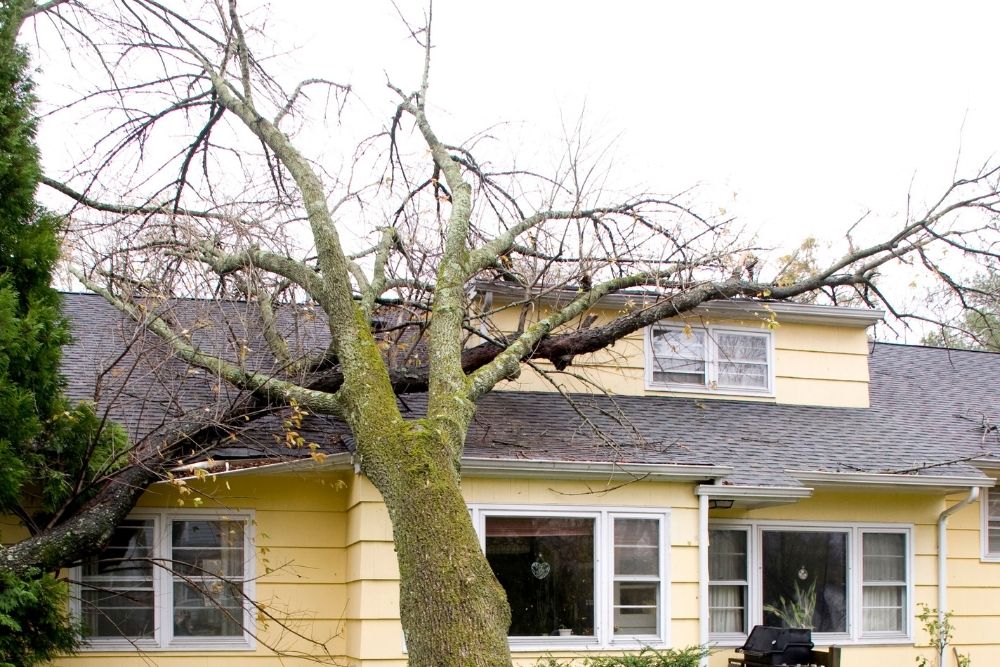
After confirming it is safe to enter your property, perform a careful inspection of the damage. Start by checking the exterior of the home for missing shingles, broken windows, damaged siding, or fallen tree limbs. Storms can weaken roofs and structural components, making it important to identify visible damage as soon as possible.
Inside the property, look for signs of water intrusion, ceiling stains, wet flooring, or damaged walls. Moisture can spread quickly through drywall, insulation, and flooring materials. Even small leaks can eventually cause major structural problems if left untreated.
Take your time during the inspection and avoid rushing through the process. Some damage may not be immediately noticeable. Pay attention to unusual smells, warped surfaces, or soft spots in walls and floors. These can indicate hidden water damage beneath the surface.
Professional storm damage restoration companies often use specialized equipment to detect hidden moisture and structural issues. Early inspections help minimize repair costs and prevent further deterioration.
Document All Damage for Insurance Claims
One of the most important steps after storm damage is documenting everything thoroughly for insurance purposes. Before starting cleanup or repairs, take clear photos and videos of all damaged areas inside and outside your property. Capture wide shots and close-up images to show the full extent of the damage.
Create a written list of damaged belongings, building materials, and affected areas. Include details such as furniture, electronics, flooring, roofing materials, and appliances. Keeping organized records can help support your insurance claim and reduce delays during the approval process.
Avoid throwing away damaged items until your insurance adjuster has reviewed the property unless the items create safety hazards. In some cases, your insurance company may request additional documentation before approving repairs or replacement costs.
Prevent Additional Damage Immediately
Once the storm has passed, preventing further damage should become a priority. Water intrusion, roof openings, and broken windows can quickly worsen if exposed to additional rain or moisture. Temporary protective measures can help reduce repair costs and protect your property from ongoing damage.
Tarping damaged roofs is one of the most common emergency measures after severe storms. Covering exposed areas helps keep rainwater out and reduces the risk of interior water damage. Boarding up broken windows and doors can also improve security and prevent weather exposure.
Water extraction is another important step if flooding or leaks have occurred. Standing water can damage flooring, walls, and personal belongings within hours. Quick water removal and drying can significantly reduce the risk of mold growth and structural deterioration.
Contact a Professional Restoration Company
Hiring a professional restoration company after storm damage is one of the best decisions a homeowner can make. Storm damage often involves multiple issues at once, including water damage, roof damage, structural concerns, and mold risks. Restoration professionals have the tools and experience needed to handle these situations safely and efficiently.
A restoration company can perform a complete assessment of the damage and develop a recovery plan tailored to your property. They use specialized drying equipment, moisture detection tools, and restoration techniques that most homeowners do not have access to. This helps ensure hidden damage is properly addressed before it becomes a larger problem.
Professional restoration teams also help reduce stress during the recovery process. Many companies work directly with insurance providers to simplify communication and documentation. This can save homeowners time and reduce confusion during an already difficult situation.
Choosing a trusted storm damage restoration company ensures repairs are handled correctly from the beginning. Quick professional response can prevent additional damage, reduce repair costs, and help restore your property faster after severe weather events.
Watch for Signs of Hidden Water Damage
Not all storm damage is immediately visible. Water can enter through small roof leaks, damaged siding, or foundation cracks and remain hidden behind walls or under flooring. Over time, hidden moisture can weaken building materials and create serious health risks due to mold growth.
One common sign of hidden water damage is discoloration on ceilings or walls. Peeling paint, bubbling drywall, warped floors, and musty odors can also indicate trapped moisture inside the structure. Even if surfaces appear dry, water may still be present within the materials.
Humidity levels inside the home may also increase after a storm. Excess moisture creates an ideal environment for mold growth, which can begin developing within 24 to 48 hours. Mold spores can spread quickly and negatively impact indoor air quality.
Understand the Importance of Mold Prevention
Mold prevention is a critical part of storm recovery. After heavy rain or flooding, moisture can become trapped inside walls, ceilings, insulation, and flooring materials. Without proper drying, mold can develop quickly and spread throughout the property.
Mold not only damages building materials but can also create health concerns for occupants. Exposure to mold spores may cause respiratory issues, allergies, headaches, and irritation, especially for individuals with asthma or weakened immune systems. Preventing mold growth should be a priority after any water-related storm damage.
Proper ventilation and dehumidification help reduce moisture levels indoors. Removing wet materials quickly also limits mold growth opportunities. However, severe water damage often requires professional drying equipment to fully eliminate trapped moisture.
Restoration professionals follow industry-approved drying and cleaning procedures to help prevent mold problems. They inspect hidden areas, sanitize affected surfaces, and monitor moisture levels throughout the drying process.
Begin the Full Restoration Process
Once emergency mitigation and inspections are complete, the full restoration process can begin. Restoration involves repairing and rebuilding damaged areas of the property so the home can return to its pre-loss condition. Depending on the severity of the storm, this process may include roofing repairs, drywall replacement, flooring installation, painting, and structural reconstruction.
The restoration timeline varies depending on the amount of damage. Minor repairs may take only a few days, while severe storm damage can require extensive rebuilding over several weeks. Working with experienced professionals helps ensure repairs are completed properly and efficiently.
Communication throughout the restoration process is important. Homeowners should stay informed about repair timelines, insurance approvals, and project updates. Reliable restoration companies provide regular progress reports and answer questions throughout the project.
Professional storm damage restoration services help restore not only the structure itself but also peace of mind for homeowners. With the right team and a clear recovery plan, it is possible to recover safely and efficiently after severe weather damage.
Conclusion
Recovering from storm damage can feel overwhelming, but taking the right steps immediately can make a major difference in the restoration process. Prioritizing safety, documenting the damage, preventing further problems, and contacting experienced professionals are all essential after a severe storm. Quick action helps reduce repair costs, minimize structural issues, and protect your property from long-term damage like mold growth.
If your home or business has been affected by severe weather, JGW Group Water Damage Restoration is ready to help. Our experienced team provides reliable restoration services for property owners throughout Las Vegas, NV. From emergency cleanup to complete restoration, we work quickly to restore your property and peace of mind. Contact JGW Group Water Damage Restoration today at 725-525-3122 for professional assistance with storm-related property damage.