
When dealing with home disasters, few situations are as hazardous as sewage backups. Understanding Water Damage Restoration is crucial because sewage damage not only affects property but also creates serious health risks. One of the most common concerns homeowners ask is: can sewage damage cause mold? The answer is yes, and it can happen much faster than most people expect.
Sewage water contains harmful bacteria, viruses, and excess moisture that create the perfect environment for mold growth. Within 24 to 48 hours, mold spores can begin spreading on walls, floors, and furniture. This makes fast action essential to prevent long-term structural damage and health complications. In this article, we will explore how sewage damage leads to mold, the risks involved, and why professional restoration is often necessary.
Understanding Sewage Damage and Mold Risk
Sewage damage is more than just a foul-smelling inconvenience—it is a serious environmental hazard. When sewage enters a property, it introduces contaminated water that soaks into porous materials like drywall, carpets, and wood. These materials absorb moisture quickly, creating ideal conditions for microbial growth.
Mold spores are naturally present in the air, but they only become a problem when they find moisture and organic material to feed on. Sewage provides both in abundance. This makes mold development almost inevitable if the affected area is not cleaned and dried properly.
In many cases, homeowners underestimate how quickly mold spreads after a sewage backup. Even small leaks or slow drains can create hidden moisture pockets behind walls or under flooring. That is why early detection and cleanup are essential to prevent widespread contamination.
Proper sanitation and drying are the only ways to eliminate the risk. Without them, mold can continue growing silently, leading to costly repairs and serious health concerns over time.
Can Sewage Damage Cause Mold Growth? Water Damage Restoration Insights
Yes, sewage damage can absolutely cause mold growth, especially when left untreated. Sewage water is highly contaminated and introduces both moisture and nutrients that mold needs to thrive. When it seeps into building materials, it creates hidden damp areas where mold colonies can develop rapidly.
This is where Water Damage Restoration becomes essential. Professional restoration ensures that all contaminated materials are removed or treated, and affected areas are thoroughly dried. Without this intervention, mold can begin forming within one to two days.
The key issue is that sewage damage often spreads beyond what is visible. While surfaces may appear clean after initial wiping, moisture can remain trapped underneath floors or behind walls. These hidden pockets become breeding grounds for mold.
In addition, sewage often contains organic waste, which serves as a food source for mold spores. This combination of moisture and nutrients makes growth highly likely. Homeowners who delay cleanup significantly increase the risk of long-term structural damage and indoor air quality issues.
Addressing sewage damage immediately is the most effective way to prevent mold from becoming a larger and more expensive problem.
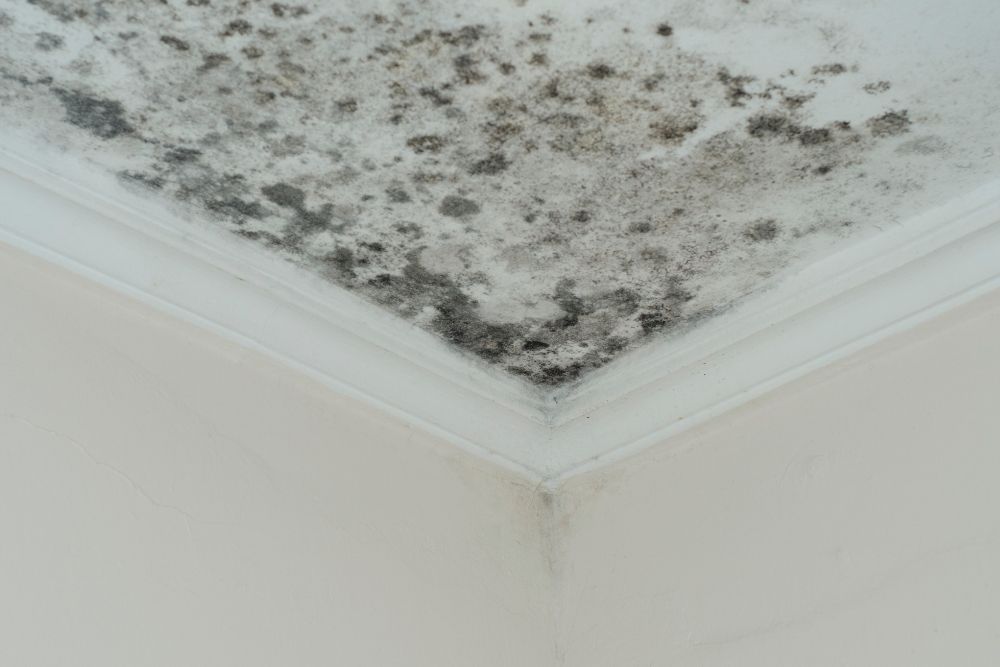
How Moisture from Sewage Leads to Mold and Water Damage Restoration
Moisture is the primary driver of mold growth after sewage exposure. When sewage enters a property, it saturates building materials and creates damp environments that are difficult to dry without professional equipment. Even small amounts of lingering moisture can trigger mold development.
This is why Water Damage Restoration plays a critical role in recovery. Restoration professionals use industrial-grade dehumidifiers, air movers, and moisture detection tools to ensure all hidden water is removed. Without this step, mold can continue spreading unnoticed behind walls and floors.
Porous materials like carpet padding, insulation, and drywall are especially vulnerable. Once they absorb sewage moisture, they often cannot be fully cleaned and may need replacement. If left untreated, mold spores quickly colonize these damp areas.
Another concern is humidity. After sewage cleanup, indoor humidity levels often remain elevated, which further encourages mold growth. Proper drying techniques are essential to restore safe conditions.
Ultimately, controlling moisture is the most important step in preventing mold after sewage damage. Without it, even a small incident can escalate into a major restoration project.
Health Risks Associated with Sewage-Related Mold
Mold resulting from sewage damage can pose serious health risks. Because sewage water contains bacteria and pathogens, the mold that grows in these conditions may be even more harmful than typical household mold.
Exposure can lead to respiratory issues such as coughing, wheezing, and throat irritation. Individuals with asthma or allergies may experience worsened symptoms. In some cases, prolonged exposure can contribute to chronic sinus infections or other respiratory conditions.
Children, elderly individuals, and those with weakened immune systems are particularly vulnerable. The combination of mold spores and sewage contaminants creates an unhealthy indoor environment that should be addressed immediately.
Another concern is airborne contamination. As mold grows, it releases spores into the air, spreading throughout the home. This can affect areas far beyond the original sewage damage site.
Proper cleanup and disinfection are essential to eliminate these risks. Without thorough remediation, mold and bacteria can continue affecting indoor air quality long after the initial incident.
Structural Damage Caused by Sewage and Mold
Sewage damage combined with mold growth can severely weaken a building’s structure. When moisture penetrates materials like wood framing, drywall, and insulation, it causes deterioration over time. Mold accelerates this process by breaking down organic materials.
Walls may begin to warp, floors can become unstable, and ceilings may show signs of sagging. If left untreated, the damage can spread and compromise the integrity of the entire structure.
This is why Water Damage Restoration is essential after any sewage incident. Restoration professionals assess the extent of damage and determine which materials can be salvaged and which must be replaced.
Mold also contributes to long-term odor problems. Even after visible damage is repaired, lingering mold colonies can produce persistent smells that are difficult to remove without professional treatment.
In severe cases, structural repairs can become extensive and expensive. Early intervention is the best way to minimize both financial and physical damage to the property.
Immediate Steps After Sewage Backup and Water Damage Restoration
Acting quickly after a sewage backup is critical to preventing mold growth. The first step is to avoid direct contact with contaminated water. Sewage contains harmful pathogens that can pose serious health risks.
Next, it is important to stop the source of the backup if possible and limit access to the affected area. Ventilating the space can help reduce humidity temporarily, but it is not a substitute for professional cleanup.
Calling a Water Damage Restoration service should be a priority. Professionals have the equipment and expertise needed to safely remove sewage, disinfect surfaces, and dry affected areas thoroughly.
Homeowners should avoid attempting deep cleaning themselves, as improper handling can spread contamination further. Items that have been heavily soaked often need to be discarded to prevent mold growth.
Time is a crucial factor. The longer sewage sits, the higher the chance of mold developing within 24–48 hours.
Professional Water Damage Restoration Process for Sewage and Mold
Professional restoration for sewage damage involves several critical steps. First, technicians assess the extent of contamination and identify affected areas using moisture detection tools. This ensures no hidden water is missed.
Next, contaminated materials are safely removed. This may include carpets, drywall, and insulation that cannot be salvaged. The goal is to eliminate both moisture and biological hazards.
Sanitization is then performed using specialized antimicrobial treatments to kill bacteria and prevent mold growth. After this, high-powered drying equipment is used to remove all remaining moisture.
Final inspections ensure that the property is safe and dry. This process is essential in preventing long-term issues such as mold regrowth or structural weakening.
Without professional Water Damage Restoration, sewage damage can leave behind hidden moisture that continues to cause problems long after cleanup.
Prevention Tips to Avoid Future Mold After Sewage Damage and Water Damage Restoration
Preventing future mold growth starts with proper maintenance and quick response to plumbing issues. Regularly inspecting pipes, drains, and sewer lines can help identify potential problems early.
Keeping indoor humidity levels low is also important. Using dehumidifiers in damp areas like basements can reduce the risk of mold growth.
If sewage damage ever occurs again, immediate cleanup is essential. Delays increase the likelihood of mold development significantly.
Another key prevention step is ensuring proper ventilation in bathrooms and kitchens. Good airflow helps reduce moisture buildup.
After any restoration, following up with routine inspections can help ensure no hidden moisture remains.
Conclusion
Sewage damage is one of the most serious household problems because it quickly leads to mold growth if not handled properly. Understanding the connection between moisture, contamination, and structural damage is essential for protecting your home. Mold can begin forming within days, making fast action critical.
Professional services like JGW Group Water Damage Restoration in Las Vegas, NV provide the expertise needed to safely handle sewage cleanup and prevent further damage. Their team ensures thorough drying, sanitization, and restoration to restore safe living conditions. For immediate assistance, contact 725-525-3122.