Water damage can happen without warning and quickly turn into a costly problem for homeowners and businesses. From leaking pipes to storm flooding, different types of water intrusion create different levels of risk. Understanding the categories of water damage is important because each type requires a unique cleanup and restoration approach. Professional Water Damage Restoration services help reduce structural damage, prevent mold growth, and restore safety to the property.
The restoration industry classifies water damage into three main categories based on contamination levels. These categories determine how dangerous the water is and what restoration methods should be used. Knowing the difference between clean water, gray water, and black water can help property owners respond quickly and avoid further issues. In this guide, we’ll explain each category, common causes, health risks, and why immediate action is essential after water damage occurs.
Understanding the Classification of Water Damage
Water damage is not always the same. The severity depends on where the water comes from and how contaminated it is. Restoration professionals use categories to identify the level of contamination and determine the safest cleanup procedures. This system helps property owners understand the risks involved and the urgency of the situation.
The Institute of Inspection Cleaning and Restoration Certification (IICRC) established three categories of water damage. Category 1 involves clean water with minimal health risks. Category 2 contains contaminants that may cause discomfort or illness. Category 3 is highly contaminated and can contain dangerous bacteria, chemicals, or sewage. These categories can also change over time if the water remains untreated.
Quick response is critical because standing water deteriorates rapidly. Clean water can become gray water within hours and eventually turn into black water if left untreated. Professional restoration teams assess the category before beginning extraction, drying, sanitization, and repairs. This process ensures the property is restored safely and effectively.
Category 1 Water Damage: Clean Water
Category 1 water damage refers to clean water that comes from a sanitary source. This type of water does not pose an immediate health threat to humans. Common examples include broken supply lines, overflowing sinks without contaminants, or appliance malfunctions involving clean water.
Although Category 1 water is considered safe initially, it can still cause major structural damage if not addressed quickly. Flooring, drywall, insulation, and furniture can absorb water rapidly. Over time, moisture trapped inside materials can lead to swelling, warping, and mold growth.
Professional restoration companies remove standing water, dry affected areas, and monitor moisture levels to prevent long-term damage. Advanced drying equipment is often necessary to ensure moisture is fully eliminated from walls and flooring. Even clean water can become hazardous when left untreated for extended periods.
Homeowners sometimes underestimate Category 1 damage because the water appears harmless. However, delaying cleanup increases restoration costs and the risk of secondary problems.
Category 2 Water Damage: Gray Water
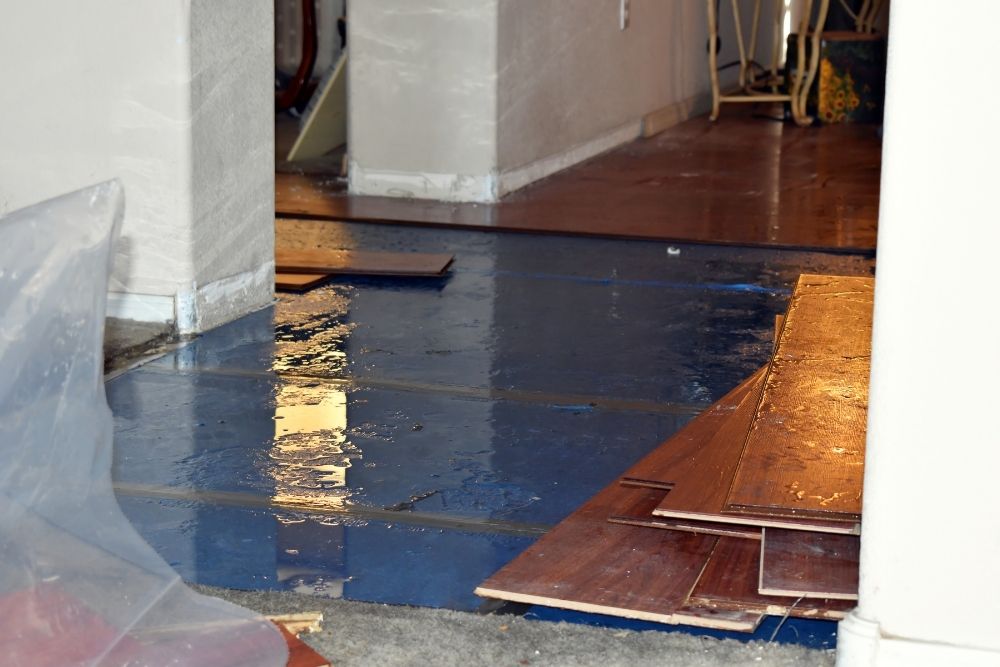
Category 2 water damage involves gray water, which contains contaminants that may cause illness or discomfort if exposed to humans. This category is more dangerous than clean water because it often contains bacteria, chemicals, or microorganisms. Common sources include washing machine overflows, dishwasher leaks, and toilet overflows containing urine but no solid waste.
Gray water can quickly create unsanitary conditions inside a property. Carpets, upholstery, and porous materials absorb contaminated water and become breeding grounds for bacteria. Exposure may cause skin irritation, respiratory issues, or digestive problems if cleanup is delayed.
Professional restoration technicians use specialized protective equipment and sanitization procedures when handling gray water damage. Affected materials may require removal if contamination cannot be completely eliminated. Thorough disinfection is necessary to ensure the environment is safe again.
One of the biggest dangers of gray water is how quickly it can worsen. If left untreated, bacteria multiply rapidly, and the water may become Category 3 black water. This progression increases health risks and restoration costs significantly.
Category 3 Water Damage: Black Water
Category 3 water damage is the most dangerous form of water contamination. Often called black water, it contains harmful bacteria, viruses, sewage, chemicals, and other hazardous materials. Exposure to black water can lead to serious illness and significant health complications.
Common sources of black water include sewage backups, flooding from rivers or oceans, and standing water contaminated by waste or chemicals. Natural disasters such as hurricanes and severe storms often produce Category 3 water damage. Because the contamination is severe, professional handling is essential.
Restoration crews follow strict safety protocols when dealing with black water. Protective clothing, respirators, and industrial-grade sanitizing agents are used throughout the cleanup process. Many affected materials, including drywall, carpeting, and insulation, may need complete removal and disposal.
One major concern with black water is hidden contamination. Even if surfaces appear clean, bacteria and pathogens may remain inside structural materials. Proper testing and disinfection are critical to ensure the property is safe for occupancy again.
Common Causes of Water Damage in Homes
Water damage can originate from many different sources inside and outside a property. Plumbing failures are among the most common causes. Burst pipes, leaking faucets, and damaged water lines can release large amounts of water quickly, especially in older homes.
Appliance malfunctions are another major contributor. Washing machines, dishwashers, refrigerators, and water heaters may leak due to worn hoses or mechanical failures. Small leaks often go unnoticed until significant damage has already occurred.
Weather-related events also cause extensive water intrusion. Heavy rain, flash floods, and roof leaks can allow water to enter walls, ceilings, and basements. In areas prone to storms, proper drainage and roof maintenance are essential for protection.
Sewer backups present another serious issue because they introduce contaminated water into the property.
Health Risks Associated With Water Damage
Water damage creates more than structural problems. It also introduces serious health risks that can affect occupants long after the initial incident. Damp environments encourage mold growth, bacterial contamination, and poor indoor air quality.
Mold can begin developing within 24 to 48 hours after water exposure. Spores spread through the air and may trigger allergies, asthma attacks, respiratory irritation, and other health concerns. Individuals with weakened immune systems are especially vulnerable.
Contaminated water categories present additional dangers. Gray water and black water may contain harmful microorganisms capable of causing infections or gastrointestinal illnesses. Direct contact with contaminated surfaces increases the risk of exposure.
Standing water can also attract pests such as mosquitoes and rodents. These pests may carry diseases and create further sanitation problems inside the property.
The Importance of Immediate Restoration
Time is one of the most important factors after water damage occurs. Delayed cleanup allows water to spread deeper into building materials, increasing structural damage and restoration costs. Immediate response helps minimize long-term problems.
Professional Water Damage Restoration teams begin by removing standing water and identifying affected areas. Industrial drying equipment then removes hidden moisture trapped behind walls and beneath flooring. This process helps prevent mold growth and structural deterioration.
Insurance companies also encourage fast mitigation efforts because delays often increase claim costs. Documenting the damage early and contacting restoration professionals promptly can simplify the insurance process and improve claim outcomes.
Another reason immediate restoration matters is safety. Wet electrical systems, contaminated water, and weakened structural components create dangerous conditions for occupants. Trained professionals know how to manage these hazards properly.
Professional Water Damage Restoration Process
The restoration process involves several important steps designed to return the property to a safe and dry condition. The first step is inspection and assessment. Restoration professionals identify the water category, affected materials, and extent of the damage.
Water extraction follows immediately to remove standing water from floors, carpets, and other surfaces. Industrial pumps and vacuums help speed up this process. After extraction, technicians begin drying and dehumidification to eliminate hidden moisture.
Cleaning and sanitization are essential, especially for Category 2 and Category 3 water damage. Specialized cleaning agents remove bacteria, odors, and contaminants from affected surfaces. Air scrubbers and filtration systems may also improve indoor air quality.
Once drying is complete, restoration and repairs begin. This stage may involve replacing drywall, flooring, insulation, or damaged structural components. The goal is to restore the property to its original condition as efficiently as possible.
Conclusion
Understanding the categories of water damage helps property owners respond quickly and protect their homes or businesses from serious harm. Clean water, gray water, and black water each carry different levels of contamination and require different restoration methods. Fast action reduces structural damage, lowers health risks, and prevents mold growth from spreading throughout the property.
Professional restoration services provide the equipment, expertise, and safety procedures needed to handle water damage effectively. Whether the issue comes from a plumbing leak, appliance failure, storm flooding, or sewage backup, immediate restoration is essential for minimizing long-term costs and restoring a safe environment.
If you need reliable assistance, contact JGW Group Water Damage Restoration in Las Vegas for expert support. Call 725-525-3122 today for professional help with emergency water damage cleanup and restoration services.